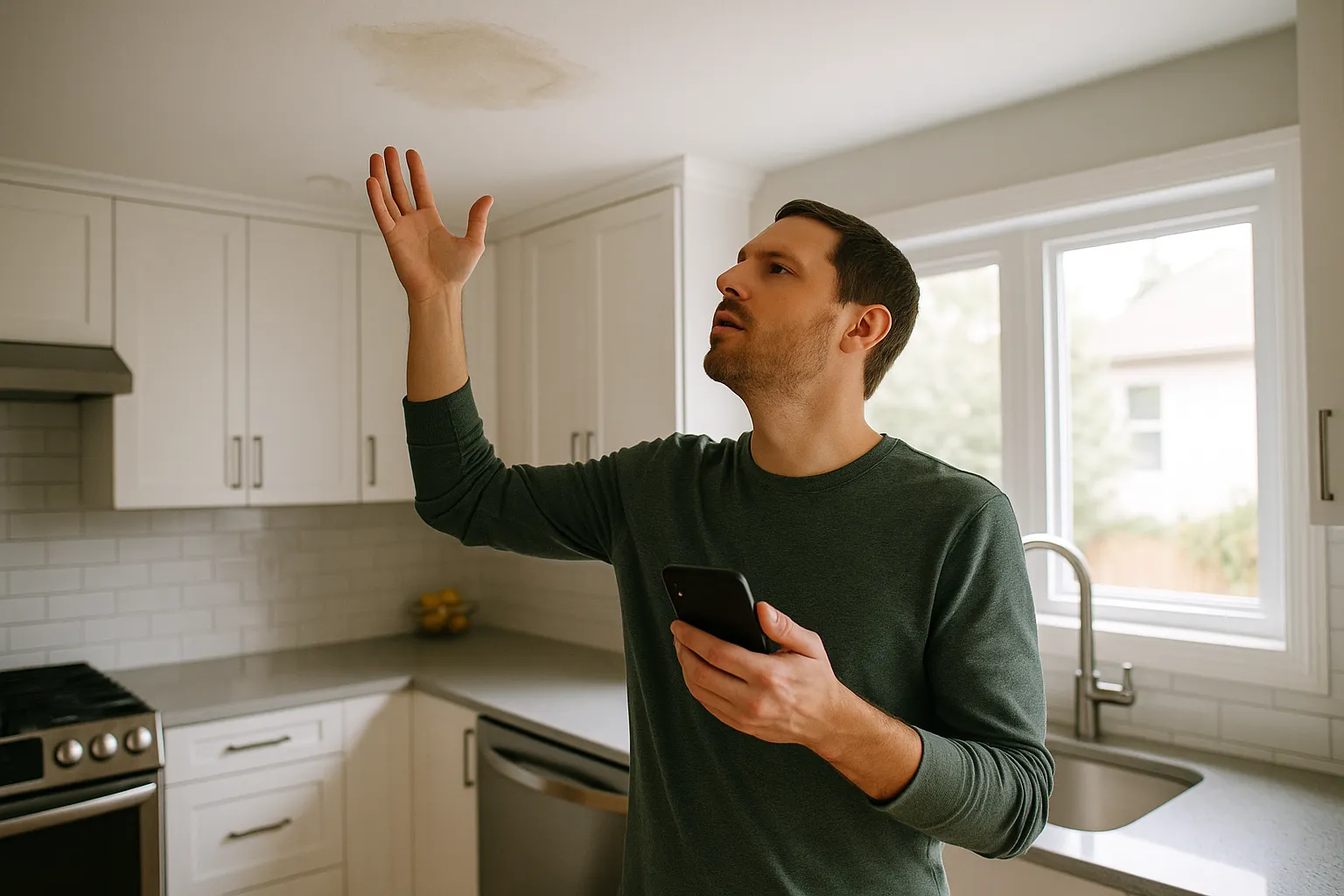
Most plumbing problems don’t announce themselves with a flood. They start small — a slow drain, a faint dripping sound at night, a faucet that takes a second too long to warm up — and they quietly get worse until the damage is impossible to ignore. By the time water is pooling under a sink or seeping through a ceiling, what could have been a simple fix has often turned into a costly repair.
The good news is that your home almost always gives you a heads-up. Knowing what those early warnings look like can save you thousands of dollars, protect your property, and spare you the stress of a midnight emergency. Below are the most common signs that something in your plumbing system needs attention now — not next month, not when you get around to it, but right away.
1. Sudden Drop in Water Pressure
If your shower goes from a strong stream to a weak trickle overnight, something is interfering with the flow. A gradual drop in pressure can point to mineral buildup inside your pipes, but a sudden one usually signals something more serious — a hidden leak, a failing pressure regulator, or a corroded section of pipe finally giving out. Don’t wait it out. The longer pressurized water escapes inside your walls, the more structural and mold damage it causes. A licensed plumber can pinpoint the source quickly and recommend the right plumbing repair before things get worse.
2. Persistent Slow or Gurgling Drains
One slow drain is usually a clog you can handle yourself. Multiple slow drains, gurgling sounds, or water backing up into other fixtures when you flush the toilet are red flags. They typically mean the blockage is deeper in the system — often in the main sewer line — and a household plunger isn’t going to solve it.
Trying to push past these symptoms with chemical drain cleaners can corrode pipes and make things worse. Professional drain cleaning services use camera inspections and the right equipment to clear blockages without damaging your plumbing.
3. Water Stains, Damp Spots, or a Mysterious Spike in Your Bill
Water has a way of finding hidden paths through your home. You might see a brown ring on the ceiling, a damp patch on a wall, or warped flooring near a bathroom — all signs that water is escaping somewhere it shouldn’t be. Even before any visible damage shows up, your water bill often tells the story first.
If your usage habits haven’t changed but your bill jumped 20% or more, you likely have a leak. Some of the worst offenders are slab leaks, leaks behind walls, and silently running toilets. These won’t fix themselves, and they almost always get bigger and more expensive the longer they’re ignored.
4. Discolored, Cloudy, or Bad-Smelling Water
Clean water should be clear and odorless. If yours suddenly looks brown, yellow, or rusty, it usually points to corroded pipes or a sediment-filled water heater. Cloudy water can mean trapped air or a pressure issue. A rotten-egg smell is often hydrogen sulfide gas, which can come from bacteria in a water heater or from the well or municipal supply itself.
Whatever the cause, drinking, cooking, or bathing in compromised water is a health concern. This is the kind of issue that calls for fast diagnosis from a trusted local plumbing professional who can test, identify, and fix the source.
5. No Hot Water — Or Water That’s Way Too Hot
Your water heater is one of the hardest-working appliances in your home, and it doesn’t fail without warning. Lukewarm showers, water that runs cold halfway through, popping or rumbling sounds from the tank, and rusty hot water are all signs the unit is in trouble. Likewise, scalding-hot water that you can’t control safely usually means a faulty thermostat or pressure-relief valve — both of which are safety hazards.
Don’t wait for the tank to leak or burst. Have it inspected at the first sign of trouble so you can decide between repair and replacement on your own timeline.
6. Sewer Smells Inside the House
If you walk into a room and catch a whiff of sewage, your plumbing is trying to tell you something. Properly working drains have traps and vents that keep sewer gases out of your living space. When you can smell them, it usually means a dried-out P-trap, a cracked vent pipe, or a more serious break in the sewer line.
Sewer gas isn’t just unpleasant — it can contain methane and hydrogen sulfide, both of which are harmful with prolonged exposure. This is one of the clearest signs that you should call a professional the same day.
7. Frozen, Bulging, or Knocking Pipes
During cold snaps, exposed pipes in basements, crawl spaces, and exterior walls are vulnerable to freezing. A frozen pipe doesn’t just stop water flow — it expands inside the line and can rupture, sending gallons of water into your home the moment it thaws. If you turn on a faucet in winter and only get a trickle, treat it as urgent.
Loud knocking or banging when you shut off a faucet (often called water hammer) is another red flag. It points to pressure issues, loose pipes, or failing fixtures, and it can shake fittings loose over time.
8. Toilets That Run, Rock, or Refuse to Flush Properly
A toilet that won’t stop running is wasting hundreds of gallons of water a week. One that wobbles when you sit down likely has a failed wax ring, which leads to leaks and wood rot in the subfloor. And a toilet that gurgles or backs up when you run another fixture is almost always pointing to a venting or sewer line issue.
These problems are easy to dismiss as minor annoyances, but they’re often the first symptoms of a much larger problem deeper in your home plumbing system inspection — something a pro can confirm in a single visit.
9. Visible Pipe Corrosion or Staining
Take a flashlight under your sinks and into your basement once or twice a year. Green or blue stains on copper pipes, white crusty buildup at joints, or rust-colored streaks on galvanized pipes all signal that the metal is breaking down. Corroded pipes are leaks waiting to happen, and they often fail at the worst possible time — over a holiday weekend, while you’re traveling, or in the middle of the night.
Catching corrosion early lets you replace one section before the rest of the line goes. Wait too long and you’re looking at a far more disruptive repipe.
10. Any Leak You Can’t Immediately Stop
Burst pipes, overflowing fixtures, water shooting from a connection — these are unambiguous emergencies. Shut off the main water valve to your home and call for help. The faster the water is contained, the less damage you’ll deal with afterward. This is exactly the kind of situation an emergency plumber is built for, with 24/7 dispatch and the tools to stabilize the situation fast.
Why It Pays to Act Early
Plumbing rarely heals itself. A small drip becomes a stained ceiling. A slow drain becomes a sewer backup. A noisy water heater becomes a flooded basement. Calling in a professional at the first warning sign is almost always cheaper than waiting — and it gives you time to make smart decisions instead of panicked ones.
Whether you need a one-time fix, a thorough inspection, or ongoing support, working with a licensed local team that offers a full range of residential and commercial plumbing services means you have someone to call before a small issue turns into a big one. It’s also worth looking into a preventative plumbing maintenance plan so problems get caught during routine visits instead of after they cause damage.
Trusted Local Plumbing Help When You Need It Most
If you’ve noticed any of the warning signs above, the smartest move is to have an experienced plumber take a look before the problem grows. Our family-owned team has spent decades helping homeowners and business owners across Bucks County and the surrounding Delaware Valley — including neighborhoods in Newtown, Warrington, Warmnister, Levittown, Richboro, Horsham, Bristol, Yardley, and Willow Grove — diagnose issues quickly, explain options clearly, and deliver repairs that last. From a stubborn drain to a complete repipe, you can rely on our full-service plumbing company to show up on time, work cleanly, and stand behind every job. When something’s off with your plumbing, the sooner you call, the easier it is to fix.
FAQs:
How do I know if a plumbing issue needs repair right away, not just eventually?
If you notice sudden pressure loss, discolored water, or a pipe making loud banging sounds, it usually means a component is actively failing. These aren't "wait and see" symptoms — they typically get worse within days, not months.
What does banging or knocking in the pipes mean?
Loud banging, often called water hammer, usually means a valve is slamming shut too fast or a pipe has come loose from its fitting. Left alone, it can loosen joints further and lead to a leak or burst.
Is discolored or rusty water always a plumbing emergency?
Not always an emergency, but it does need prompt attention — it typically signals corroding pipes or a failing water heater tank. The longer corroded water runs through your system, the more it can damage fixtures and appliances.
Why would multiple drains in my house be slow at the same time?
When several fixtures drain slowly together, the problem is usually in the main line, not one isolated pipe. This is a sign that needs a professional look soon, since a full blockage can turn into a backup with little warning.
Does a running or constantly cycling toilet count as a warning sign?
Yes — a toilet that won't stop running or refills unpredictably often points to a worn valve or a cracked component. It wastes water immediately and can fail completely without much notice.
What smells from my plumbing should I take seriously?
A sewage or rotten-egg smell near drains or fixtures usually means a vent, trap, or line issue letting gas back into your home. This should be checked quickly, since it can affect air quality and indicate a bigger blockage.
Should I try to fix these warning signs myself before calling a plumber?
Minor troubleshooting like clearing a single slow drain is fine, but pressure changes, corrosion, or line-wide issues need a professional diagnosis. DIY fixes on these often mask the real problem until it fails completely.