Frequently Asked Questions About Sump Pump Installation
When should I consider installing a sump pump?
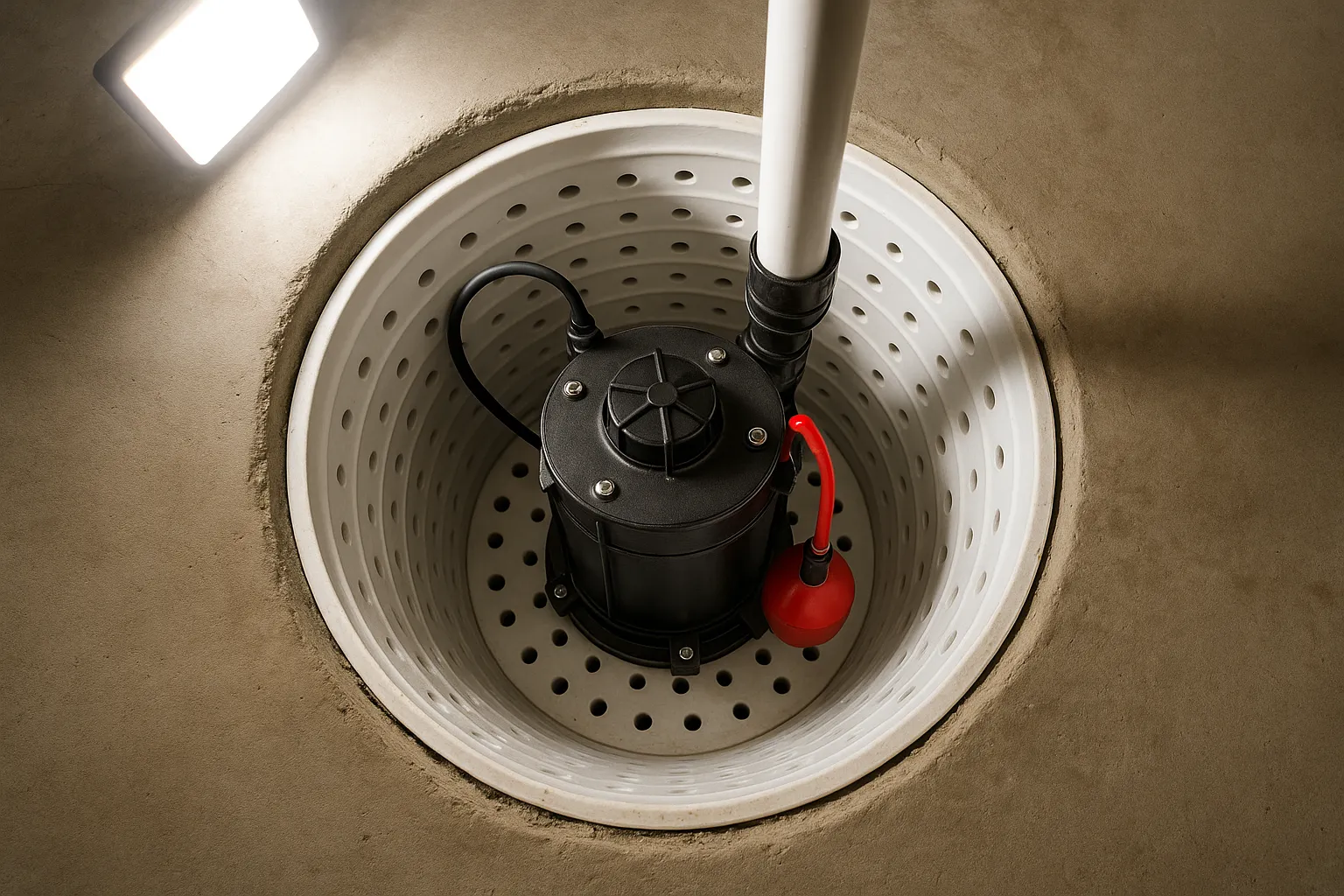
You should consider installing a sump pump if your basement experiences water buildup, flooding, dampness, or groundwater intrusion. A sump pump collects water and moves it away from your home’s foundation, helping reduce the risk of basement water damage.
How do I know what size sump pump my home needs?
The right sump pump size depends on factors such as your basement layout, water volume, sump pit size, and discharge distance. A professional plumber can assess these conditions and recommend a pump with the appropriate capacity for your home.
Is a battery backup sump pump necessary?
A battery backup can be helpful because power outages can occur during heavy storms when your sump pump may be needed most. A backup system can provide additional protection if the primary pump loses power or stops working.
How long does a sump pump installation take?
The installation time depends on whether your home already has a sump pit and the type of system being installed. A straightforward replacement may take less time, while a new installation that requires pit excavation and discharge work can take longer.
Does FKRIV provide sump pump installation in Jamison, PA?
Yes, FKRIV Plumbing & Heating Inc. provides professional sump pump installation in Jamison, PA. Our team evaluates your basement and drainage conditions, helps select the appropriate system, and installs the pump and discharge components correctly.
Do you provide sump pump installation in areas near Jamison?
Yes, FKRIV serves Jamison and surrounding Bucks County communities, including Levittown, Yardley, Willow Grove, Doylestown, and other nearby areas. Availability can depend on the specific location, so homeowners can contact FKRIV to confirm service for their property.