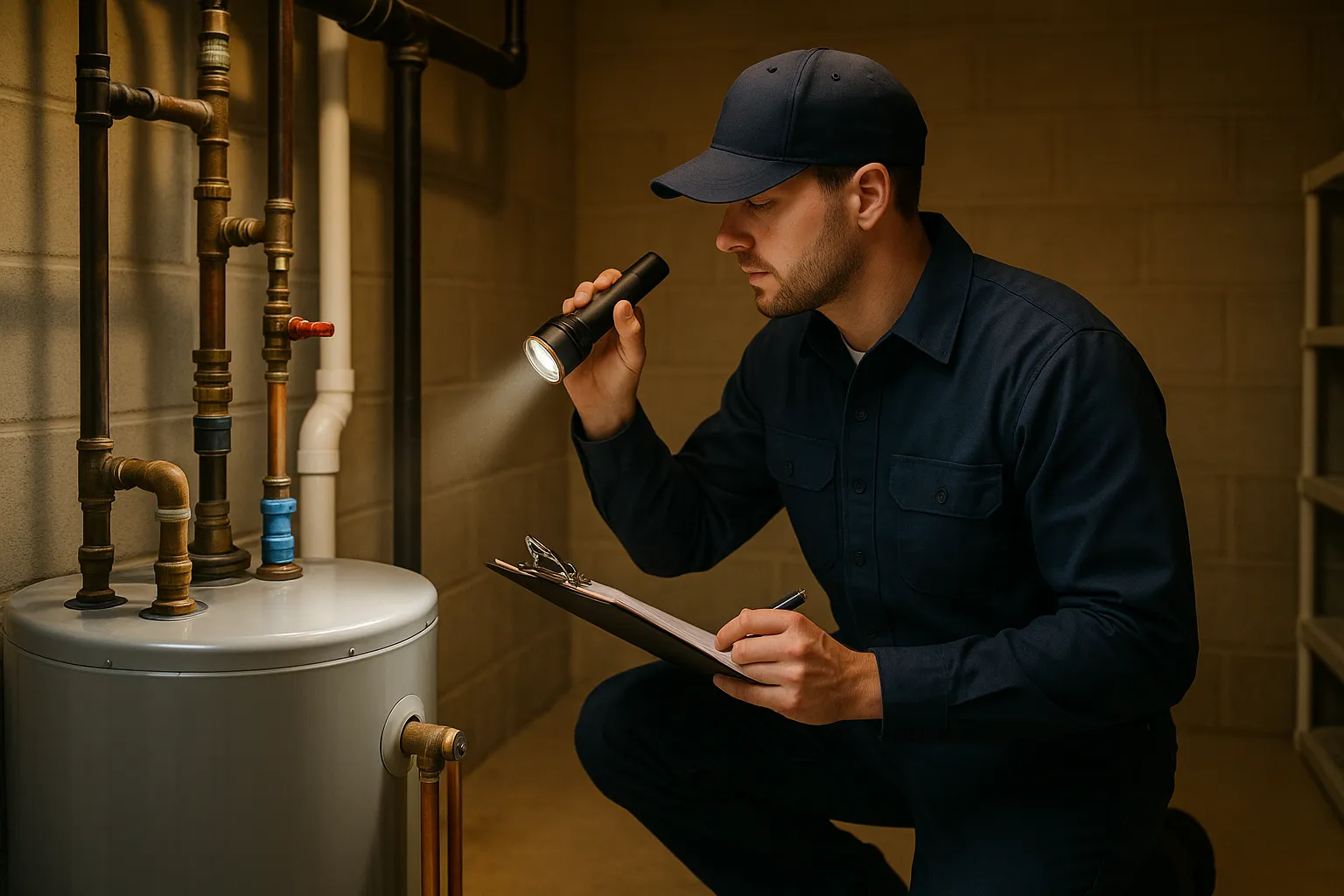
Plumbing problems have a way of showing up at the worst possible time. A pipe starts leaking mid-barbecue. A line freezes solid on the coldest morning of the year. A drain backs up the night before guests arrive. It rarely feels random when it happens to you, but most of these headaches are avoidable. With a little attention each season, your home's plumbing can keep doing its job quietly in the background, the way it's supposed to.
This guide walks through what to check, when to check it, and when it makes sense to call in a professional instead. Whether you just bought your first home or have owned one for twenty years, these habits will help protect your pipes, fixtures, and water-using appliances all year, while saving you from repair bills you'd otherwise pay later at a much higher cost.
Why Year-Round Maintenance Actually Matters
Pipes, water heaters, drains, and heating systems work hard every day, usually without a second thought from the people relying on them. Small issues like mineral buildup, a slow leak behind a wall, or a weakening seal can develop quietly for months before turning into something serious. By the time water is dripping through a ceiling or a sewer line is backing up into the basement, you're usually looking at a repair bill several times larger than if the problem had been caught early.
Routine seasonal care changes that math. It helps you catch problems while they're still small and cheap to fix, extends the working life of your equipment, and keeps your monthly water bills predictable. It also buys real peace of mind during extreme weather, when plumbing systems are under the most stress. And if something does go wrong anyway, an established relationship with a local plumbing company that already knows your home makes the fix faster and considerably less stressful.
Spring: Recovering From Winter and Getting Ready for Rain
Spring is the natural time to check what winter left behind. Freezing temperatures, ice, and shifting ground can stress pipes in ways that often don't become obvious until everything finally thaws.
Spring maintenance checklist:
- Inspect exposed pipes in basements, crawl spaces, and under sinks for cracks, drips, or early rust
- Test outdoor spigots by turning them on and watching for leaks at the wall connection
- Run water through floor drains and rarely used fixtures to refresh the traps and prevent sewer odors
- Check that your sump pump activates by pouring a bucket of water into the pit before spring storms arrive
If your sump pump is more than seven or eight years old, struggles to keep up during heavy rain, or runs constantly even in dry weather, it's worth having a professional take a look before it fails at the worst moment. A failing pump is one of the most common causes of basement flooding, and a proper sump pump installation sized correctly for your property is far cheaper than the cleanup that follows a flood.
Summer: Heavy Use and Outdoor Water Demands
Summer puts a different kind of stress on your plumbing. Kids home from school, extra laundry, garden hoses running for hours, and a steady stream of houseguests all add up to noticeably higher daily water demand. Sewer lines see more action too, as backyards fill with cookouts and pool parties.
Summer maintenance checklist:
- Inspect washing machine hoses for bulges, cracks, or rust at the connectors, and consider swapping rubber for braided stainless steel
- Clean the lint trap on your washer's drain hose regularly to prevent backups
- Check toilets for silent leaks by adding food coloring to the tank; color in the bowl within ten minutes means the flapper needs replacing
- Watch for slow drains in tubs, showers, and kitchen sinks — catching them early prevents a full clog later
If the same drain keeps slowing down no matter what you try, that usually points to buildup deeper in the line than any over-the-counter cleaner can reach. At that point, professional drain cleaning paired with a camera inspection is the most reliable way to find the actual cause instead of guessing.
Fall: Preparing for the Cold Months Ahead
Fall is the season where a small amount of effort pays off the most. Spending a few hours in October or November on your plumbing can save you from one of the most expensive emergencies a homeowner can face: a burst pipe in the dead of winter.
Fall maintenance checklist:
- Disconnect, drain, and store garden hoses before the first hard freeze
- Shut off and drain outdoor spigots, or install insulated covers if your shutoff valves are inside
- Insulate exposed pipes in unheated spaces like garages, attics, and crawl spaces with foam pipe sleeves
- Flush your water heater to clear out sediment that builds up over the year and reduces efficiency
- Schedule a heating system inspection so you're not scrambling once temperatures actually drop
Heating equipment has an unfair habit of failing exactly when you need it most. A pre-season boiler inspection from a qualified technician can catch worn components, calibrate the system for efficiency, and confirm everything is operating safely before winter sets in for good.
Winter: Protecting Your Home When It Matters Most
Winter is the season where small oversights turn into urgent, costly problems fastest. A pipe that freezes overnight can split open and release hundreds of gallons the moment it thaws, often inside a wall where you won't notice until real damage is done. Cold weather also strains your water heater, which has to work harder to bring near-freezing water up to temperature.
Winter maintenance checklist:
- On especially cold nights, let a thin stream of water run from the faucets farthest from your main shutoff, since moving water freezes more slowly than still water
- Open cabinet doors under sinks on exterior walls so warm room air can reach the pipes
- Keep your home heated to at least 55°F if you're traveling, and know where your main water shutoff valve is
- If a pipe freezes, never use an open flame to thaw it; use a hair dryer or heating pad, and call a plumber if you can't safely reach the frozen section
If you lose hot water entirely in winter, it's usually caused by a failing heating element, a faulty thermostat, or sediment built up at the bottom of the tank. In any of these situations, fast, professional plumbing repair is often the difference between a one-day inconvenience and several days without a working shower.
Small Habits That Help All Year Round
Beyond the seasonal checklists, a few everyday habits go a long way toward avoiding plumbing problems in the first place:
- Never pour grease, coffee grounds, or fibrous food scraps down the kitchen sink
- Use a simple hair catcher in every shower and tub drain
- Avoid flushing wipes, paper towels, or anything labeled "flushable," since most don't actually break down like toilet paper does
- Know exactly where your main water shutoff valve is, and make sure every adult in the household knows too
- Keep track of your water heater's age — most tank-style units last 8 to 12 years, and replacing one on your own schedule is easier and cheaper than replacing one after it floods a closet or basement
When DIY Stops and It's Time to Call a Professional
Plenty of small plumbing tasks are reasonable for a confident homeowner to handle: replacing a worn flapper, clearing a hair clog with a hand snake, swapping an old showerhead. But there are moments where the smarter move is to step back and bring in someone qualified, rather than risk making the problem worse.
Call a professional right away if you notice:
- Water stains spreading across a ceiling, wall, or floor
- A noticeable drop in water pressure across multiple fixtures at once
- Sewer odors inside the home, or gurgling from drains that aren't in use
- A water heater making banging, popping, or rumbling noises it didn't make before
- Any frozen pipe you genuinely can't safely reach or thaw on your own
Working with an experienced local plumbing team means the problem gets diagnosed correctly the first time instead of guessed at, and you get an honest answer about what's truly urgent versus what can reasonably wait. For anything that can't wait, a responsive emergency plumber on call makes the difference between a stressful night and a manageable one.
Reliable Plumbing Help, Season After Season
Year-round plumbing care isn't complicated, but it does take consistency, and there are moments where a trained eye matters more than good intentions. FKRIV Plumbing & Heating Inc. has spent years serving homeowners across Jamison, Levittown, Yardley, Willow Grove, and Bensalem, along with the surrounding Bucks and Montgomery County communities, helping them stay ahead of emergencies and keep their plumbing running smoothly through every season. If you're in one of these communities and want to explore our full range of related plumbing and heating services, that page is the best place to start.
Give us a call at (215) 874-0592 to schedule an inspection, ask a quick question, or talk through something you've been meaning to get looked at. A short conversation now is almost always cheaper, and far less stressful, than an emergency repair later.
Frequently Asked Questions
How often should I check my home's plumbing?
Walk through the seasonal checklist above roughly once every three months. In addition, a full professional inspection once a year, ideally in the fall before heating season, will catch anything a simple visual check might miss.
What is the single most preventable plumbing emergency?
Frozen and burst pipes are by far the most common preventable emergency homeowners face. Insulating exposed pipes each fall and letting faucets drip on the coldest nights prevents the large majority of these incidents before they start.
How do I know if my water heater needs to be replaced instead of repaired?
If your unit is more than 8 to 12 years old, making rumbling or popping noises, or leaking from the tank itself rather than a fitting, replacement is usually more cost-effective than another round of repairs.
Is it normal for water pressure to change with the seasons?
Some fluctuation is normal, especially during periods of very high or very low neighborhood water demand. A sudden or sustained drop across multiple fixtures at once, however, usually signals a leak, blockage, or failing regulator worth having checked.
Can I prevent frozen pipes without leaving faucets dripping all winter?
Yes. Insulating exposed pipes, keeping cabinet doors open under sinks on exterior walls, and maintaining a consistent indoor temperature of at least 55°F when you're away all significantly reduce the risk, even without running every faucet.
How much does routine maintenance typically save compared to emergency repairs?
Costs vary by situation, but catching a small leak or worn component during routine maintenance is almost always a fraction of the cost of repairing water damage, replacing flooring, or handling an after-hours emergency call once a problem has escalated.