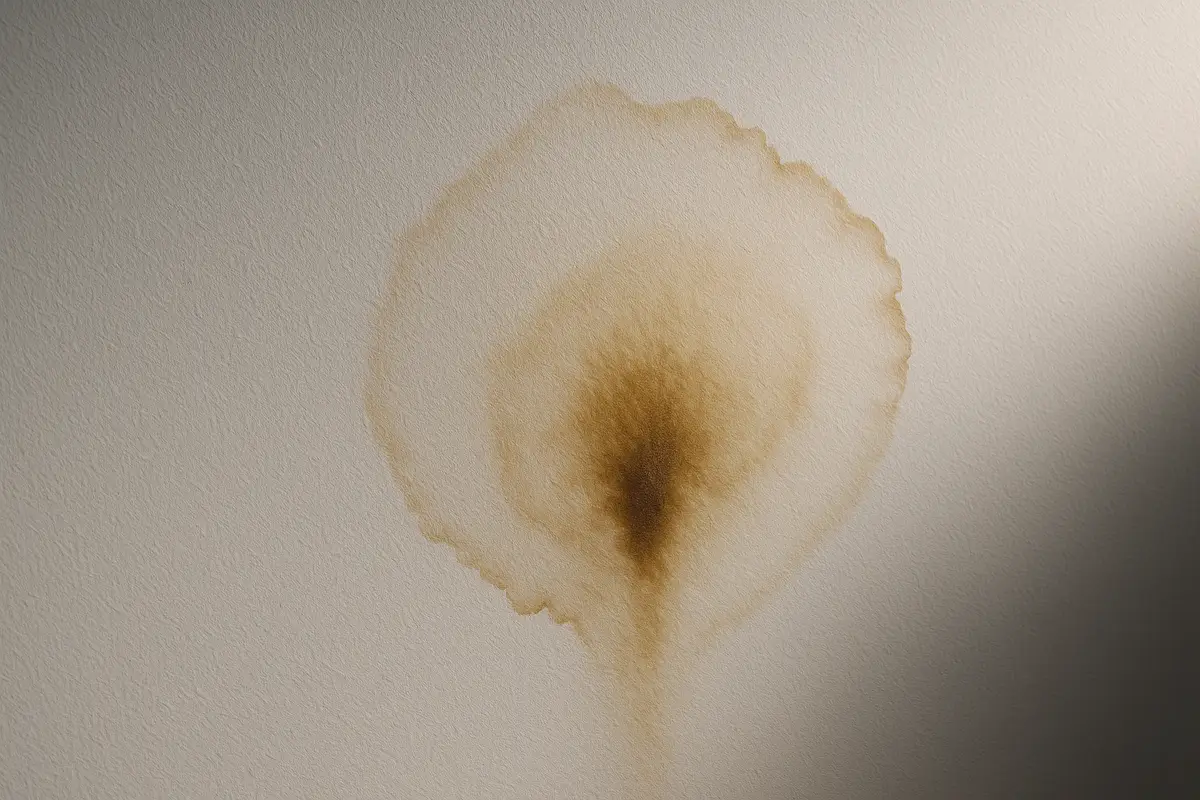
Most plumbing problems don’t announce themselves with a burst pipe or a flooded basement. They start quietly — a faint smell, a slightly higher water bill, a stain you keep meaning to wipe away. By the time the damage becomes obvious, water has often been working behind your walls or under your floors for weeks or even months.
The good news is that your home usually gives you warning signs long before a small issue turns into an expensive repair. Learning to recognize these early clues can save you thousands of dollars and protect your home’s structure, air quality, and value. Below, we walk through the hidden signals every homeowner should know.
Why Hidden Plumbing Damage Is So Easy to Miss
Plumbing runs through the parts of your home you rarely see — inside walls, beneath slabs, above ceilings, and under cabinets. Because the pipes are out of sight, a slow leak can release water steadily without ever leaving a puddle on the floor.
That hidden nature is exactly why early detection matters. A pinhole leak might only drip a few ounces a day, but over time it can rot framing, ruin insulation, and create the damp, dark conditions mold loves. Catching trouble early almost always means a simpler, cheaper fix.
Warning Signs You Can See and Smell
Your senses are your first line of defense. Many homeowners notice these red flags but dismiss them — don’t. If you spot any of the following, it’s worth investigating:
- Musty or earthy odors that linger even after cleaning, often a sign of moisture trapped behind walls or under flooring.
- Discoloration or yellow-brown stains spreading across ceilings, walls, or baseboards.
- Paint that bubbles, peels, or blisters, which suggests moisture pushing through from behind the surface.
- Warped, cupped, or soft spots in hardwood or laminate floors.
- Visible mold or mildew growth, especially in corners, around baseboards, or beneath sinks.
A faint sewage smell deserves immediate attention, since it can point to a cracked drain line or a venting problem. If odors keep returning around your sinks or floor drains, our trusted clog-clearing specialists can pinpoint whether a blockage or a damaged line is to blame.
Sounds and Sensations That Signal Trouble
Sometimes the clue isn’t visible at all. Pay attention to what your plumbing sounds and feels like during everyday use.
Running Water When Everything Is Off
If you hear water trickling, hissing, or running when no faucet or appliance is in use, you may have a hidden leak somewhere in the system. This is one of the most reliable indicators that water is escaping where it shouldn’t.
Knocking, Banging, or Rattling Pipes
A loud thud when you shut off a faucet — sometimes called water hammer — can indicate pressure problems or loose pipe connections. Left unchecked, the repeated stress can loosen joints and lead to leaks over time.
Weak or Inconsistent Water Pressure
A sudden drop in pressure at one fixture can mean a clog, while a whole-house drop may point to a leak, corrosion, or a failing supply line. Either way, changes in flow are worth a closer look.
Clues Hiding in Your Water Bill and Meter
Your utility bill can reveal damage long before you ever see it. A monthly bill that climbs without any change in your habits is a classic sign of a silent leak.
You can test for hidden leaks yourself with a simple meter check. Turn off every water-using fixture and appliance, then watch your water meter for fifteen to twenty minutes. If the dial keeps moving, water is escaping somewhere in your system.
- Compare your current bill against the same month last year to spot unusual spikes.
- Watch for warm spots on the floor, which can reveal a leak in a hot-water line beneath a slab.
- Check for unexpectedly green or soggy patches in the yard, a hint that an underground line may be leaking.
Outdoor and Basement Signs Worth Watching
Damage isn’t always inside your living space. Basements, crawl spaces, and yards often show the earliest evidence of plumbing trouble. Pooling water near the foundation, persistent dampness on concrete, or efflorescence — that chalky white residue on basement walls — all suggest moisture intrusion.
If your lower level takes on water during heavy storms, the issue may be drainage rather than a supply leak. A properly sized backup system makes a real difference here, and our dependable basement water-control setup helps keep groundwater from threatening your floors and belongings.
For lingering mysteries — a leak you can hear but can’t find, or a recurring backup — a camera-based pipe assessment lets a technician see inside the line and confirm exactly what’s wrong before any work begins.
What to Do When You Suspect a Problem
Acting quickly is the single best way to limit damage. If you notice any of the signs above, take these steps:
- Locate your main shutoff valve and know how to use it before an emergency happens.
- Document what you see — photos of stains, readings from your meter, and notes on when symptoms appear help a technician diagnose faster.
- Avoid heavy chemical drain products, which can corrode pipes and mask the underlying issue.
- Schedule a professional inspection rather than guessing, since hidden leaks rarely stay small.
When water is actively spreading or you smell sewage, don’t wait until morning. FKRIV’s around-the-clock urgent response is ready when a problem simply can’t wait. And for ongoing peace of mind, following a season-by-season upkeep routine helps you catch small issues before they ever become emergencies.
Protect Your Home Before Small Signs Become Big Repairs
Your home is constantly telling you how its plumbing is doing — the trick is knowing how to listen. By paying attention to odors, sounds, stains, and your water bill, you can catch problems while they’re still small and inexpensive to fix. FKRIV Plumbing & Heating Inc. proudly helps homeowners stay ahead of hidden damage throughout Bucks and Montgomery Counties, including Horsham, Levittown, and Richboro. If something doesn’t feel right with your plumbing, reach out at (215) 874-0592 and let our team take a look before a quiet warning sign turns into a costly repair.
Frequently Asked Questions
What are the earliest signs of hidden plumbing leaks in a home
Early signs include musty odors, unexplained stains on walls or ceilings, peeling paint, and slightly higher water bills. You may also notice warped flooring or recurring mold growth in hidden areas.
Why does my water bill increase without higher usage
A rising water bill often indicates a hidden leak. Even small leaks behind walls or under floors can waste significant water over time, leading to noticeable cost increases.
How can I check for a hidden water leak at home
Turn off all water fixtures and appliances, then monitor your water meter for fifteen to twenty minutes. If the meter continues to move, there is likely a leak somewhere in your plumbing system.
Are unusual plumbing noises a sign of a problem
Yes. Sounds like hissing, trickling, banging, or rattling pipes can indicate leaks, pressure issues, or loose connections. These should be inspected before they lead to bigger damage.
When should I call a professional plumber for hidden leaks
You should contact a professional if you notice persistent odors, visible damage, sudden pressure changes, or ongoing increases in your water bill. Immediate action is recommended if water is spreading or sewage smells are present.