A slow or clogged drain is one of those household problems that starts as a minor nuisance and quickly turns into a real headache. Whether it is the kitchen sink backing up after dinner or a shower that pools water around your feet, the fix almost always comes down to one question: how serious is the blockage, and what is the best way to clear it?
Two of the most common professional drain cleaning methods are hydro jetting and drain snaking. Both work, but they are built for very different situations. Understanding the difference can help you make a smarter decision — and avoid paying for more than you actually need.
What Is Drain Snaking?
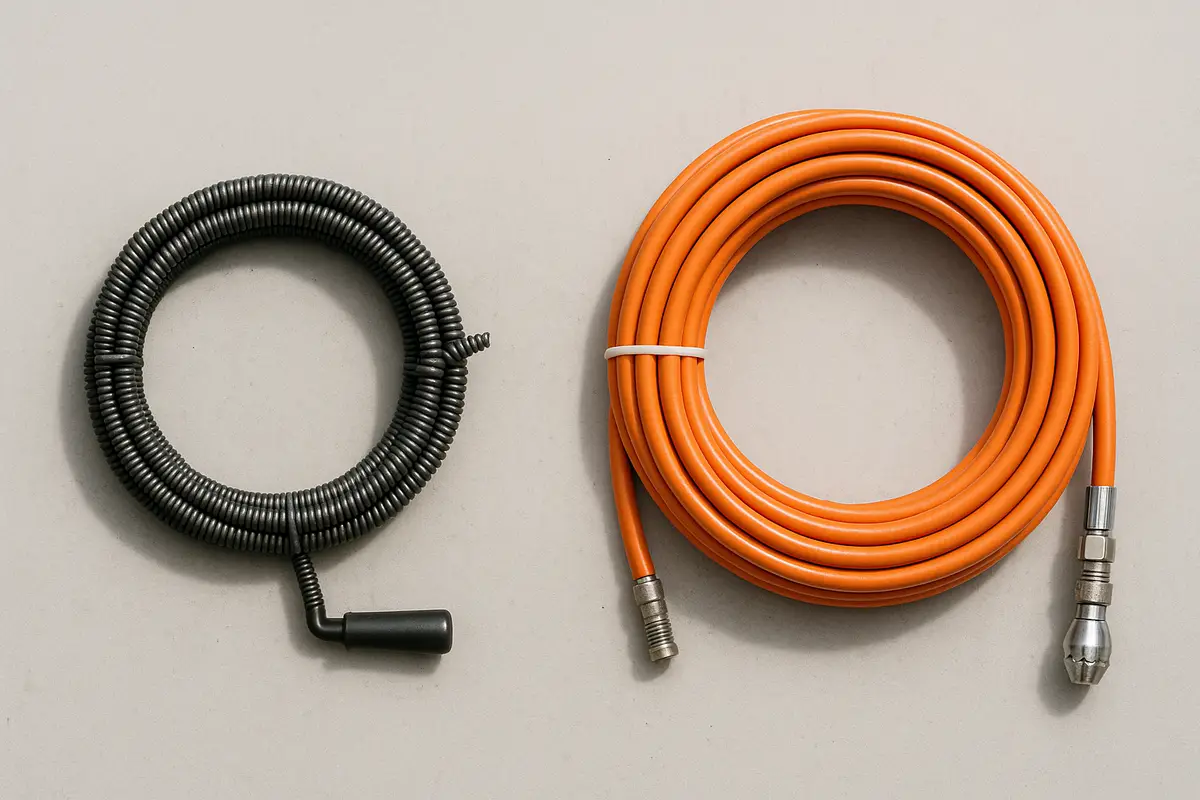
Drain snaking — sometimes called augering — is one of the oldest and most reliable methods for clearing pipe blockages. A plumber feeds a long, flexible metal cable into the drain. On the end of the cable is a corkscrew-style tip that either breaks through a clog or hooks onto it so the debris can be pulled out entirely.
Snaking is quick, affordable, and gentle on pipes. It is an excellent choice for:
- Simple, localized clogs like hair in a bathroom drain
- Soft blockages caused by grease or soap buildup that hasn’t fully hardened
- Older or more fragile pipes where high water pressure could cause damage
- Situations where you need a fast fix without a lot of equipment setup
Most homeowners have seen a plumber use a snake at least once. It is straightforward, relatively low cost, and gets the job done for routine clogs. If you are dealing with a standard clogged drain in Newtown, snaking is often the first method a technician will reach for.
What Is Hydro Jetting?
Hydro jetting takes a more powerful approach. A specialized machine sends a high-pressure stream of water — typically between 1,500 and 4,000 PSI — through your pipes using a nozzle designed to spray water in multiple directions. The force of the water does not just punch a hole through a blockage; it scours the interior walls of the pipe clean, washing away grease, mineral scale, sediment, and even tree root intrusions that have built up over years.
Hydro jetting works best for:
- Severe or recurring clogs that snaking only temporarily relieves
- Heavy grease buildup in kitchen drains or restaurant lines
- Mineral and sediment scale in older pipes
- Tree root intrusion in sewer lines
- Preventive maintenance on commercial or high-use plumbing systems
Because hydro jetting cleans the entire pipe rather than just clearing a path through the clog, the results tend to last significantly longer. It is the difference between sweeping dirt under a rug and actually scrubbing the floor.
Hydro Jetting vs Snaking: A Side-by-Side Look
Effectiveness
Snaking is effective for straightforward, single-point blockages. It creates an opening in the clog but does not remove the buildup coating the pipe walls. Hydro jetting removes the clog and cleans everything it passes through, leaving the pipe in much better shape for the long term.
Cost
Snaking is the more budget-friendly option upfront. Expect to pay less for a standard snaking service compared to hydro jetting, which requires more specialized equipment and takes more time. That said, if snaking only delivers a temporary fix and you end up calling a plumber every few months, the cost adds up fast. Hydro jetting often proves more economical over time.
Safety for Your Pipes
This is where snaking has a clear edge for older homes. High-pressure water can be too aggressive for pipes that are already cracked, corroded, or deteriorating. A good plumber will always assess the condition of your pipes before recommending hydro jetting. For newer pipes in good shape, hydro jetting is perfectly safe.
If you have concerns about your home’s overall pipe health, it may be worth talking to a professional about your full range of plumbing services before choosing a cleaning method.
Speed
Snaking is faster to set up and complete, which makes it a go-to choice for urgent situations. Hydro jetting involves more preparation but covers more ground — literally — in a single session.
Which Method Is Right for Your Situation?
The honest answer is: it depends on what is going on inside your pipes. Here is a practical guide to help you decide:
Choose drain snaking if:
- You have a sudden clog in a single fixture like a toilet, sink, or tub
- The blockage is relatively new and you have not had issues in that line before
- Your home has older plumbing that may not be strong enough for high pressure
- You are looking for the most affordable option for a straightforward fix
Choose hydro jetting if:
- You keep dealing with the same clog coming back every few months
- You have a main sewer line or shared drain line with significant buildup
- A camera inspection has revealed heavy grease, scale, or root intrusion
- You want a thorough cleaning before the problem gets worse
For homeowners in Newtown who have noticed water backing up in multiple fixtures at once or who smell sewage odors coming from drains, those are signs the problem goes deeper than a simple surface clog. In those cases, a professional assessment — and likely hydro jetting — is the better call. A trained plumber can also assess your basement's flood risk and determine if a professional sump pump installation is necessary to keep your property protected from severe drainage backups.
Signs It’s Time to Call a Professional
Some minor surface drain issues are manageable with a household plunger. Others require professional equipment to fix properly. Watch for these warning signs:
- Water drains very slowly and the problem has been going on for more than a few days
- Multiple drains in your home are slow or backed up at the same time
- You hear gurgling sounds from other drains when using the sink or toilet
- There is a persistent sewage smell even after cleaning
- You have already tried DIY solutions and the clog keeps coming back
If you are seeing any of these, it is time to stop guessing and get a professional diagnosis. A licensed plumber can use a camera inspection to see exactly what is going on inside your pipes, then recommend the most effective solution.
For more practical guidance on keeping your home’s plumbing in good shape through every season, our year-round plumbing maintenance guide is a helpful resource.