There is nothing quite as frustrating as stepping into the shower only to experience a weak trickle of water when you're expecting a strong, refreshing stream. Low water pressure is one of those household problems that can sneak up on you — and it affects everything from washing dishes to running the washing machine.
The good news? In many cases, improving water pressure at home is something you can tackle yourself. And when the issue is more serious, knowing what's causing it helps you have a smarter conversation with a professional plumber.
Let's walk through the most common causes and the simplest solutions to get your water flowing the way it should.
What Is Normal Water Pressure?
Before you start troubleshooting, it's helpful to know what you're aiming for. Residential water pressure is measured in PSI (pounds per square inch). Most homes operate comfortably between 40 and 80 PSI.
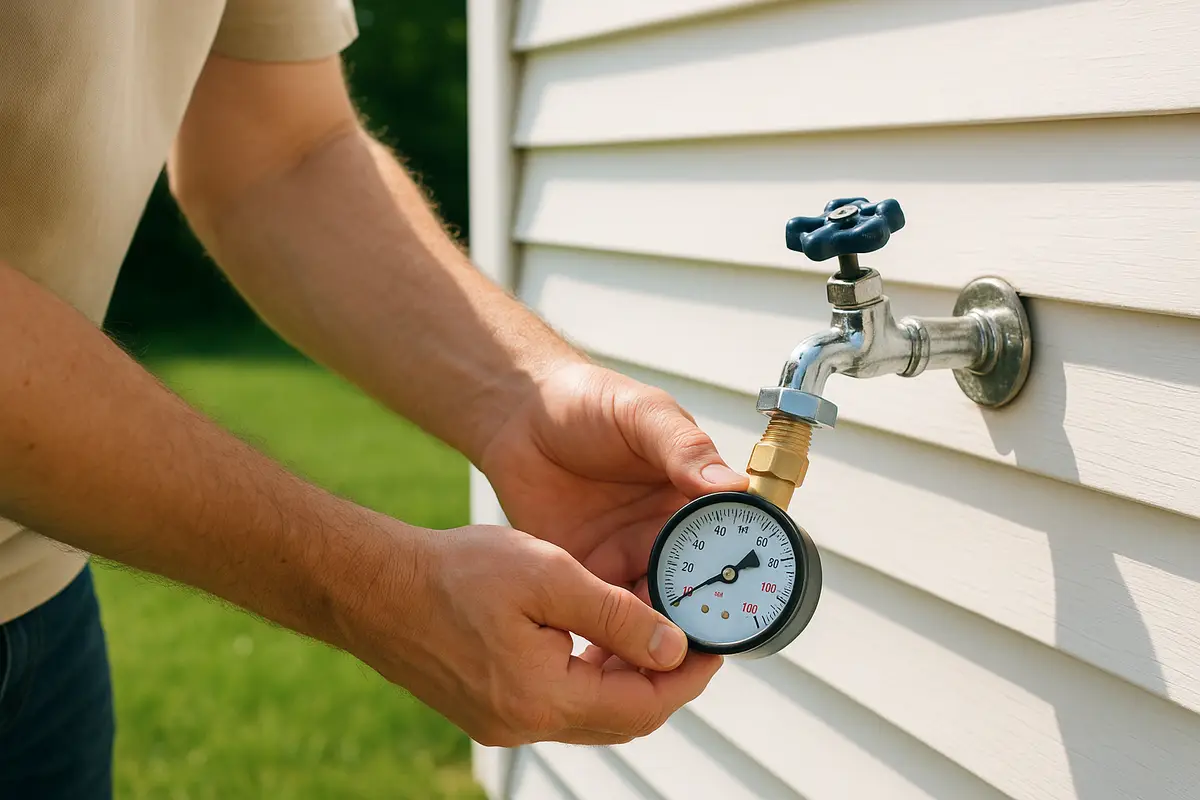
You can test your home's water pressure using an inexpensive pressure gauge that attaches to any outdoor hose bib or laundry faucet. They're available at most hardware stores for under $15. If your reading falls below 40 PSI, low pressure is definitely a factor. If it's above 80 PSI, you may actually have the opposite problem — high pressure — which can damage your pipes and appliances over time.
Common Causes of Low Water Pressure
Low water pressure doesn't usually happen randomly. There's almost always an underlying cause. Here are the most common culprits:
1. Partially Closed Shutoff Valves
Your home has at least two main shutoff valves — one located near the municipal water meter and another main interior shutoff valve inside the house (usually where the main line enters the property). If either of these valves isn't fully open (even slightly), it can restrict your flow significantly. This is one of the easiest fixes: simply locate the valve and make sure it's turned completely counterclockwise (or fully open if it's a lever-style valve).
2. Clogged or Corroded Pipes
Over time, mineral deposits and rust can build up inside your pipes — especially in older homes with galvanized steel plumbing. This buildup narrows the pipe's interior, reducing water flow. If your home is older and you're dealing with persistent pressure issues, aging pipes could be the culprit. Repiping — while a bigger investment — might be the long-term solution.
3. Faulty Pressure Regulator
Many homes have a pressure regulator (also called a pressure-reducing valve or PRV) installed near where the main water line enters the house. These regulators can wear out over time and fail — either causing pressure to drop dramatically or allowing it to spike. Replacing a faulty pressure regulator is a common fix that typically requires a licensed plumber.
4. Leaking Pipes
If your pipes have a hidden leak somewhere in the system, water is escaping before it ever reaches your faucets. This not only reduces pressure but can also cause costly water damage inside your walls or foundation. Signs of a hidden leak include unexpectedly high water bills, damp spots on ceilings or walls, or the sound of running water when all fixtures are off.
5. Municipal Supply Issues
Sometimes the problem isn't inside your home at all — it's the water coming in from the street. If your neighbors are also experiencing low pressure, it's a good indication the issue is with the municipal supply. Contact your local water utility to report the issue and find out if there's maintenance or infrastructure work affecting service in your area.
How to Improve Water Pressure: Step-by-Step Solutions
Check and Adjust Your Pressure Regulator
If your home has a pressure regulator, this is your first stop. The regulator typically looks like a bell-shaped device on your main water line. The regulator typically features an adjustment bolt on top. However, because older units can freeze or fail due to internal mineral corrosion, any adjustments or testing should be handled by a licensed professional to prevent a sudden pressure spike and pipe rupture.
If turning the screw doesn't help or if the gauge shows inconsistent readings, the regulator may need to be replaced entirely.
Clean Your Aerators and Showerheads
Low pressure in just one or two fixtures is often not a whole-house issue — it's a clogged aerator or showerhead. These small screens collect mineral deposits from hard water over time. Unscrew the aerator from the faucet tip or detach the showerhead, soak it in white vinegar for a few hours, then rinse it out. This simple fix can dramatically improve flow in stubborn fixtures.
Install a Water Pressure Booster Pump
If your home consistently runs below 40 PSI and the cause is low municipal supply pressure, a water pressure booster pump can be a worthwhile investment. These devices are installed on the main water line and amplify incoming pressure throughout the entire house. Professional installation is recommended to ensure the system is properly sized and configured for your home.
Replace Old Galvanized Pipes
If your home was built before the 1970s, there's a good chance it still has galvanized steel pipes. These pipes corrode from the inside out, and the buildup eventually chokes off water flow no matter how many other fixes you try. Replacing them with copper or PEX piping is a permanent solution — and modern
plumbing materials make it far more durable and long-lasting. If you've been dealing with brown water or persistent low pressure, it's worth getting a professional assessment. The team at FKRIV Plumbing & Heating can evaluate your piping and recommend the best path forward.
Address Any Leaks Promptly
Hidden leaks are sneaky — and expensive. If you suspect a leak, don't wait. A professional drain and pipe inspection can identify problem areas before they turn into major (and costly) repairs. The sooner leaks are found and fixed, the sooner your pressure — and your peace of mind — is restored.
When to Call a Professional Plumber
Some water pressure issues are straightforward DIY fixes. Others require professional attention. Here's a quick guide:
- Call a plumber if your pressure is consistently below 40 PSI after trying basic fixes
- Call a plumber if you suspect corroded or aging pipes throughout your home
- Call a plumber if you notice signs of a hidden leak (wet walls, high bills, mold smell)
- Call a plumber if your pressure regulator is malfunctioning
- Call a plumber if the issue affects only hot water — this may point to a water heater problem
Low water pressure isolated strictly to hot water typically indicates internal water heater complications, where severe scale buildup inside the tank restricts volume and flow. If you haven't had your water heater inspected or serviced recently, it might be time to schedule a professional checkup.
Bonus Tips to Maintain Good Water Pressure
Once you've addressed your pressure problem, here are a few habits that can help keep things running smoothly:
- Schedule annual plumbing inspections to catch buildup or minor leaks early
- Install a water softener if you have hard water — it reduces mineral deposits in your pipes
- Monitor your water bill month-to-month for sudden spikes that could signal a hidden leak
- Know where your main shutoff valve is in case of emergencies
For homeowners dealing with recurring drainage or sump pump issues that may be affecting overall plumbing performance, professional sump pump installation can be an important part of maintaining a healthy plumbing system — especially in homes prone to basement flooding or groundwater intrusion.
Need Help With Your Home's Water Pressure?
Whether it's a stubborn low-pressure issue, aging pipes, or a plumbing problem you just can't pinpoint, the experienced team at FKRIV Plumbing & Heating Inc. is ready to help. From thorough inspections to complete plumbing services, we deliver fast, professional, and affordable solutions you can count on. Call us today at (215) 874-0592 or visit our website to schedule a consultation.