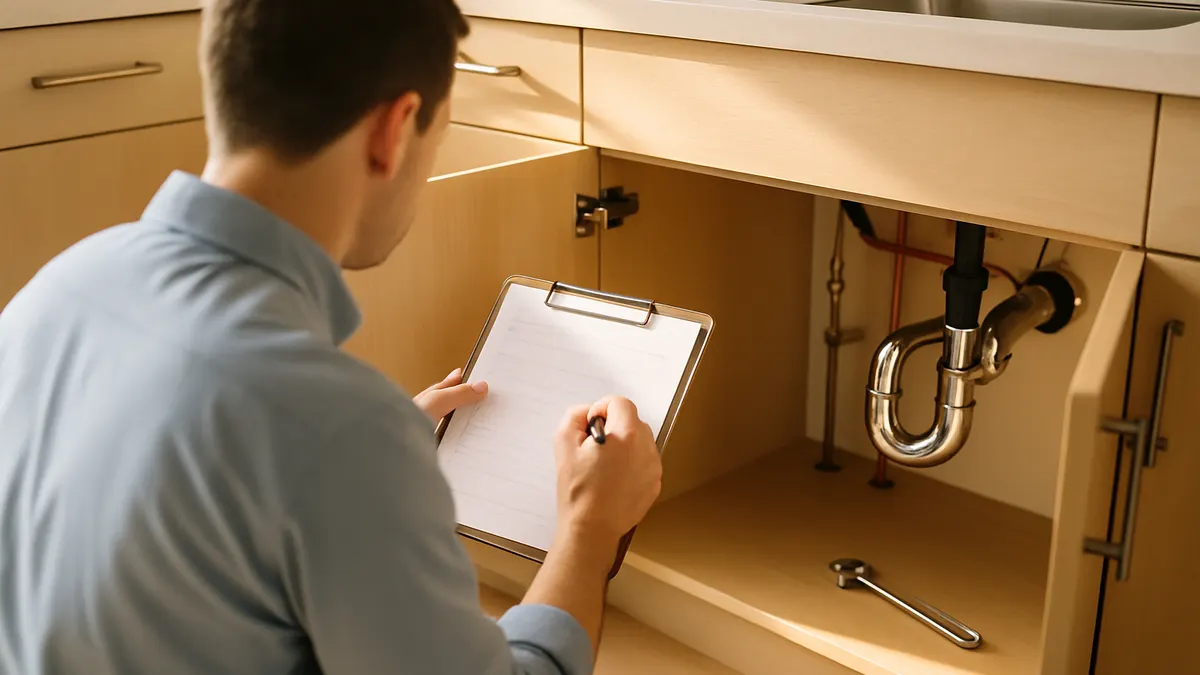
Plumbing repair cost depends almost entirely on what is actually wrong and how much work it takes to fix it. A simple repair, like a worn washer or a loose fitting, might need only a small part and a short visit. A hidden leak inside a wall, a damaged pipe, or a repair that requires opening a floor or ceiling takes more time, materials, and labor, which raises the price. There is no single number that applies to every home, but understanding what drives plumbing repair pricing helps you know what to expect and how to compare estimates fairly.
How Much Does Plumbing Repair Usually Cost?
There is no flat rate for plumbing repair because every job is different. Two homes with the same symptom, a dripping faucet for example, can end up with very different repairs once a plumber actually looks at the problem: one might need a new washer, the other a full fixture replacement because the internal parts have corroded.
Most plumbing repairs fall into one of three general categories.
| Repair Type | What It Typically Involves | What Drives the Price |
|---|---|---|
| Minor repair | A single part, straightforward access, no major disassembly | Part cost and time on site |
| Standard repair | Fixture replacement, moderate diagnostic work, some disassembly | Labor time, replacement parts, diagnostic work |
| Complex repair | Pipe damage, hidden leaks, repairs requiring wall or floor access | Extended labor, specialized equipment, materials, repair scope |
These categories are not fixed price tiers. They are a way to think about why one repair takes more time and material than another. The only way to know where a specific job lands is to have a licensed plumber look at it.
What Factors Affect Plumbing Repair Cost?
Several elements combine to determine what a plumbing repair actually costs, and none of them work in isolation.
- Type of problem: A leaking faucet is a different job than a cracked drain pipe, even though both involve water.
- Time and labor: Repairs that take an hour cost less than repairs that take most of a day, since skilled labor is priced by complexity and time, not just the visit itself.
- Parts and materials: Basic fixture parts cost far less than specialty fittings or full pipe sections.
- Location and accessibility: A leak under a sink is easier to reach than one behind a finished wall, and plumbing inside a crawl space or slab takes longer to reach and repair.
- Severity: A small drip is a quick fix. A pipe that has already caused water damage is a bigger job.
- Diagnosis: Some problems are obvious. Others need camera inspection or pressure testing to find the actual cause.
- Timing: Repairs scheduled outside normal business hours typically cost more.
- Scope changes: Opening a wall sometimes reveals more than the original problem, which can change the size of the job.
Common Plumbing Repairs and Their Costs
Plumbing repair costs vary by type because each kind of problem calls for different tools, time, and expertise.
Leaking faucets or fixtures usually rank among the least involved repairs, since most cases involve replacing an internal part rather than the whole fixture. Pipe leaks vary more widely: a leak at a visible joint is a quick fix, while a leak inside a wall or under a slab takes longer to locate and repair.
Clogged drains range from a simple clearing to a more involved job if the blockage sits deep in the line or is caused by a structural issue like a collapsed pipe. Toilet problems, from running toilets to flushing issues, are often straightforward, though replacing internal components takes more time than a simple adjustment.
Broken or damaged fittings depend on how accessible they are and whether matching parts are readily available. Water supply line problems can range from a small connector repair to a full line replacement. The more difficult pipe repairs, ones involving corrosion, old materials, or sections that run through finished walls, tend to sit at the higher end because of the extra labor and materials involved.
Why Emergency Plumbing Repairs Can Cost More
Can emergency plumbing repairs cost more?
Yes. Emergency plumbing repairs often cost more than the same repair scheduled during regular business hours. A major leak, a burst pipe, or an overflowing fixture does not wait for a convenient time, and responding outside normal hours usually means additional dispatch or after-hours charges.
Emergencies also involve more urgency and less certainty about the full scope of the problem. A plumber responding to an active leak has to stop the damage first, then assess what caused it, which can add steps compared to a scheduled repair where the issue is already identified. Property damage from water intrusion can also turn a plumbing repair into a larger project involving drying, cleanup, or repairs to flooring and drywall.
What Is Usually Included in a Plumbing Repair Estimate?
Before approving any plumbing repair, it helps to understand what a fair estimate should include. A detailed estimate may cover labor for diagnosing and completing the repair, parts and materials, diagnostic services such as leak detection or camera inspection, possible additional charges if the scope of work changes, and emergency or after-hours fees when applicable. It may also explain cleanup and any warranty or service guarantee offered by the plumbing company.
If the repair is urgent, homeowners should also understand when emergency plumbing service may be needed and whether additional charges apply. Asking about these details before work begins can help you avoid unexpected costs. A written estimate that clearly explains labor, materials, and possible extra charges makes the pricing easier to understand and helps prevent confusion later.
How to Avoid Unexpected Plumbing Repair Costs
Some of the most expensive plumbing repairs start as small, easy to ignore problems. A slow drip left for months can lead to water damage that costs far more to fix than the original leak would have. A drain that clogs repeatedly is often a sign of a deeper issue rather than bad luck, and continuing to use plumbing that is clearly damaged usually makes the eventual repair bigger.
Addressing a visible leak or a recurring clog early, instead of waiting, is one of the simplest ways to keep repair costs from climbing. Routine maintenance, like checking exposed pipes and testing shutoff valves, also helps catch small issues before they become expensive ones.
Is Professional Plumbing Repair Worth the Cost?
Professional plumbing repair costs more upfront than attempting a fix on your own, but it often prevents repeat problems and additional expenses down the line. A licensed plumber identifies the actual cause of an issue instead of just addressing the visible symptom, which matters when a leak or clog keeps coming back despite repeated attempts to fix it.
Using the correct parts and following code requirements also reduces the risk of a repair failing again soon after. That said, professional repair is not automatically the cheaper option in every case, and simple, low-risk fixes are sometimes reasonable to handle yourself. The value of hiring a professional comes down to the complexity of the problem and the risk involved if the repair is not done correctly. Homeowners who spend time evaluating a plumber's licensing, insurance, and experience before hiring are more likely to end up with a repair that holds up.
When Should You Get a Plumbing Repair Estimate?
Some situations call for a professional estimate rather than guessing at the cost yourself: recurring leaks that keep coming back despite previous repairs, visible water damage on ceilings, walls, or floors, persistent drainage problems, noticeably low water pressure, or visible pipe damage. Any repair that appears to require opening a wall, ceiling, or floor is also worth an estimate before assuming the cost or attempting it yourself. A short visit from a licensed plumber often clarifies both the actual problem and the realistic cost to fix it.
Get an Accurate Plumbing Repair Estimate
Plumbing repair cost comes down to a combination of factors: the type of problem, the labor and material it requires, how accessible the damaged plumbing is, and whether the repair is urgent. No single price applies to every home, and any estimate you receive should reflect the specific work involved, not a generic number.
If you are dealing with a plumbing issue in Bristol , Willow Grove ,Feasterville, Holland, Warminster, Newtown, or the surrounding area and want an honest, accurate assessment, reach out to a local plumbing professional for a Plumbing Repair in Yardley, PA estimate before assuming what the fix will cost.
Frequently Asked Questions
Does a plumbing repair estimate include the cost of parts?
A complete estimate should list parts and materials separately from labor so you can see exactly what you are paying for. If an estimate only gives one lump number, it is reasonable to ask for a breakdown before approving the work.
Is it normal for a plumbing repair price to change once the work starts?
It can happen if the plumber finds additional damage after the area is opened up, such as corrosion or a leak that extends further than expected. A trustworthy plumber explains the change and gets your approval before continuing rather than presenting a surprise bill at the end.
Do all plumbers charge the same for similar repairs?
No. Pricing varies based on the company's experience, service area, and how they structure labor and material costs. Comparing a couple of estimates for anything beyond a minor repair is a reasonable way to gauge what is fair for your situation.
How can I tell if a plumbing repair estimate is fair?
A fair estimate is specific about labor, parts, and any additional fees rather than vague. It should also match the scope of the actual problem instead of including unrelated work you did not ask about.
Should I get more than one plumbing repair estimate?
For minor repairs, one estimate is usually enough. For larger or more complex repairs, a second opinion can help confirm the diagnosis and give you a better sense of typical pricing in your area.