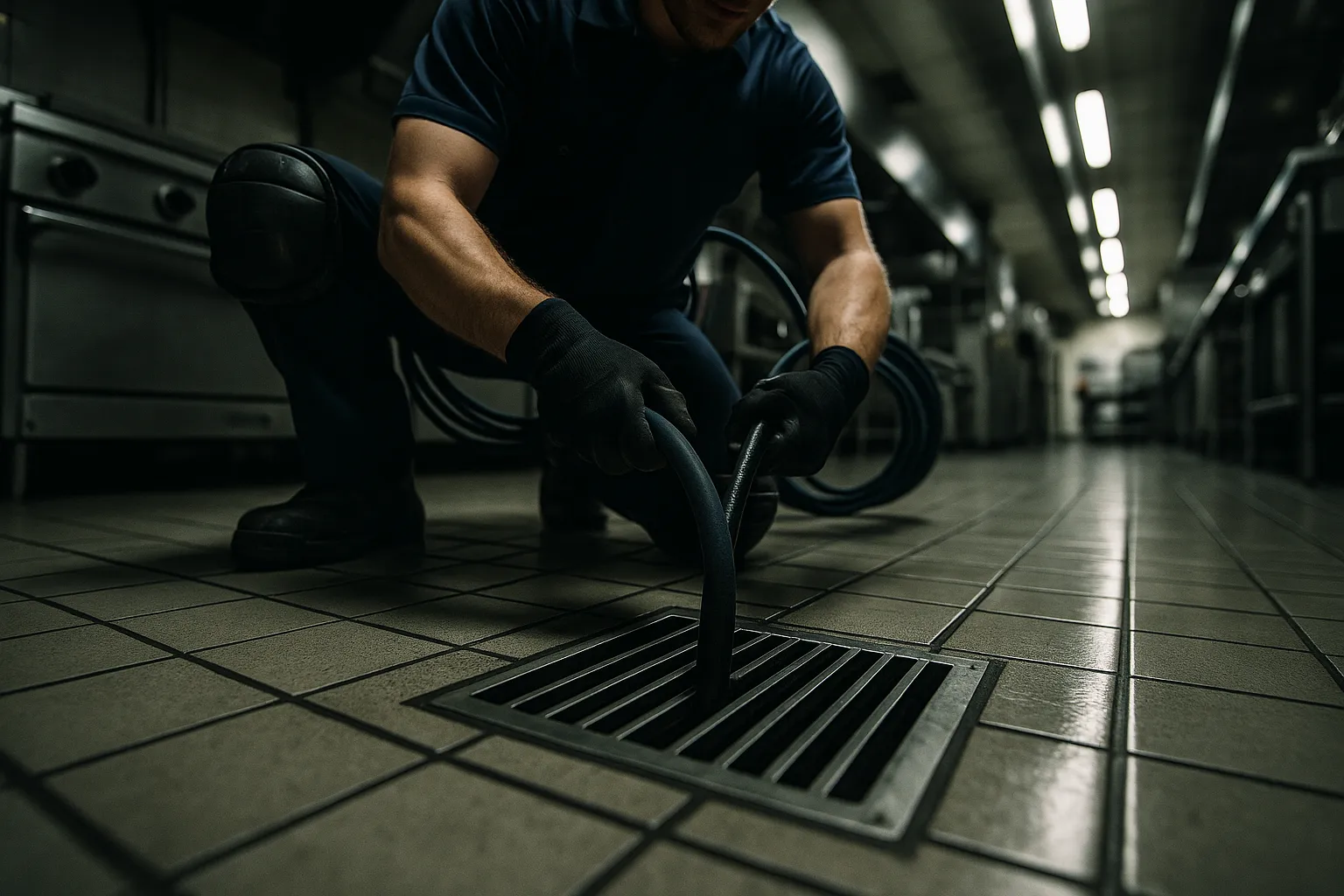
Commercial plumbing systems work harder than residential ones — more fixtures, more daily use, and far less tolerance for downtime. A clogged drain during a lunch rush, a failed water heater in a retail space, or a slow leak behind a wall can cost a business real money before anyone even notices the cause. Understanding the most common commercial plumbing problems, and knowing when to bring in a licensed professional, helps property owners and managers catch small issues before they turn into expensive emergencies.
The good news is that most commercial plumbing issues follow familiar patterns. Experienced contractors know what to look for, how to diagnose the root cause, and how to fix it in a way that keeps your building running. Below, we walk through the most common commercial plumbing problems and explain how professionals actually solve them, so you know what to expect the next time something goes sideways in your building.
Why Commercial Plumbing Is Different from Residential
Before getting into specific problems, it helps to understand why commercial systems need a different approach. Commercial buildings typically have more fixtures, longer pipe runs, higher water demand, and stricter code requirements than homes. Restaurants deal with grease. Medical offices deal with specialty waste. Office buildings juggle dozens of restrooms on a single riser. When something fails, the pressure to restore service is much higher, and a quick patch from a full-service plumbing contractor often will not hold up to that kind of daily workload.
Clogged Drains and Sewer Lines
Stubborn clogs are the single most common call commercial plumbers get. In retail and office buildings, the usual culprits are paper products, wipes labeled as flushable, and feminine hygiene items. In restaurants and food service, grease and food solids are the bigger concern. Over time, these materials coat the inside of drain lines and narrow the opening until water barely trickles through.
How Contractors Fix It
A professional will almost never start by pouring chemicals down the drain. Those products are hard on pipes and rarely solve the real problem. Instead, the standard approach is:
- Camera inspection of the line to see exactly where and what the blockage is
- Mechanical snaking for small to medium clogs
- Hydro jetting, which uses high-pressure water to scour the inside of the pipe back to bare metal or PVC for grease, scale, and heavy buildup
- A follow-up camera pass to confirm the line is fully clear and to document any damaged sections
For buildings that keep having repeat clogs, a contractor may also recommend a scheduled maintenance plan so the lines get cleaned on a predictable cycle instead of every time there is an emergency.
Leaks, Burst Pipes, and Hidden Water Damage
Leaks are sneaky. A pinhole leak behind drywall can drip for months before anyone notices the stain, and by then you may already be looking at mold, warped flooring, and a higher-than-normal water bill. In colder months, pipes in unheated storage areas or exterior walls can also freeze and burst, dumping gallons of water into a space in minutes.
How Contractors Fix It
For hidden leaks, contractors use acoustic listening devices, thermal imaging, and pressure testing to pinpoint the source without tearing apart walls. Once the leak is located, the damaged section is cut out and replaced with new pipe, and any corroded fittings are swapped so the same failure does not happen next year. After the repair, a good contractor will also look at why the leak happened in the first place, whether it is water pressure that is too high, aging galvanized pipe, or inadequate insulation, and recommend a long-term fix.
When a pipe bursts during business hours, the priority shifts to shutting off the water fast and controlling the damage. Having the number of a trusted 24/7 emergency response team saved in your phone before something goes wrong is one of the smartest things a facility manager can do.
Water Heater Problems
Commercial water heaters work much harder than residential units, and they tend to fail in ways that stop business on the spot. A restaurant cannot run without hot water for dishwashing. A salon cannot serve clients. An office building cannot legally stay open if restroom hot water falls below certain temperatures in some jurisdictions.
Common symptoms include lukewarm water, discolored output, popping or rumbling sounds from the tank, and visible corrosion around fittings. Most of these point to sediment buildup, a failing heating element, a worn anode rod, or tank corrosion that has reached the point of no return.
How Contractors Fix It
Small issues like a bad thermostat, a failed element, or a stuck valve can usually be repaired in a single visit. A contractor experienced with professional hot water system service will drain the tank, flush out sediment, test the components, and replace the specific parts that have failed. If the tank itself is leaking or badly corroded, replacement is the only real option, and the contractor can help you decide between a standard tank, a high-efficiency unit, or a tankless system based on your demand patterns.
Low Water Pressure Throughout the Building
When tenants and employees start complaining that the sinks barely trickle or the toilets take forever to refill, low water pressure is usually the cause. The tricky part is that low pressure has a long list of possible sources, from clogged aerators and failing pressure regulators to corroded supply lines and municipal supply issues.
How Contractors Fix It
A systematic diagnosis is essential. A contractor will test pressure at the meter, at the main shutoff, and at individual fixtures to isolate where the drop is happening. If the issue is building-wide, the pressure-reducing valve is often the culprit and can be adjusted or replaced. If it is fixture-specific, clogged aerators, old angle stops, or partially closed shutoffs are usually to blame. In older buildings with galvanized piping, the pipes themselves may be restricting flow from the inside due to years of mineral deposits, and repiping sections may be the long-term fix.
Backflow and Cross-Connection Issues
Backflow is one of those problems most business owners never think about until a code inspector flags it. A backflow event is when contaminated water flows backward into the clean supply, which can happen during a pressure drop on the municipal side. Commercial properties with irrigation systems, chemical feeds, fire suppression, or specialty equipment are required to have backflow preventers installed and tested on a regular schedule.
How Contractors Fix It
Certified backflow prevention specialists inspect, test, and repair assemblies to bring them into compliance with local requirements. If a device fails its annual test, the contractor will either rebuild the internal components or replace the unit entirely, then submit the passing test report to the water authority on your behalf. It is not glamorous work, but it keeps your certificate of occupancy in good standing and protects your customers and staff.
Running Toilets and Fixture Failures
In a building with twenty or thirty toilets, even one that runs constantly can waste hundreds of dollars a month. Flush valves wear out, fill valves stick, flappers degrade, and flushometers on commercial units develop leaks at the diaphragm. Faucets develop drips, and urinal sensors start cycling at random.
How Contractors Fix It
Fixture repair is usually fast and affordable when it is caught early. A contractor will swap worn internal parts, recalibrate sensors, and retorque connections. When older fixtures are constantly failing, it may be more cost-effective to upgrade to modern low-flow units that also reduce water bills. For buildings that are flooding frequently, adding or upgrading a backup water evacuation system like a basement pump setup can be the difference between a minor cleanup and a shutdown.
Why Preventive Maintenance Pays Off
Nearly every problem on this list can be caught earlier, fixed cheaper, and sometimes avoided entirely with a maintenance plan. An annual or semi-annual walkthrough by a qualified plumber catches worn parts before they fail, flushes water heaters before sediment damages the tank, and cleans drains before grease turns into a weekend emergency. For most businesses, the cost of a maintenance agreement is a fraction of a single emergency call-out, and it keeps your operation running without surprise downtime. Looking ahead, building a commercial plumbing maintenance checklist tailored to your building type is a smart next step.
Choosing the Right Contractor for Your Business
Not every plumber is equipped for commercial work. When you are evaluating who to call, look for licensing, commercial insurance, backflow certification, experience with your building type, and a track record with local businesses. Ask whether they offer after-hours response, what their typical turnaround looks like, and whether they provide maintenance agreements. A good contractor will be transparent about pricing, communicate clearly, and stand behind their work. Spending a little time choosing the right team from a trusted local plumbing crew now saves a lot of stress later.
For more on the people behind the wrench and what sets an experienced team apart, you can always learn more about the company you are considering before you sign anything.
Commercial Plumbing Services Near You
Keep your business running without interruption — FKRIV Plumbing & Heating Inc. brings fast, code-compliant commercial plumbing to Bristol, Willow Grove, Yardley, Levittown, and Bensalem. Whether it's a clogged drain, a failing water heater, or a plumbing emergency, our licensed team is ready to help. Call (215) 874-0592 today to schedule an inspection or request a quote.
FAQs
What are the most common commercial plumbing problems?
The most frequent issues are clogged drains, leaking pipes, running toilets, failing water heaters, and low or fluctuating water pressure. Commercial buildings see these more often because fixtures are used far more heavily than in a home.
How often should a commercial building have its plumbing inspected?
Most commercial properties benefit from at least two professional inspections per year. High-traffic facilities like restaurants, gyms, or hotels often need more frequent checks to stay ahead of wear.
Can commercial plumbing problems be fixed with DIY methods?
DIY fixes may work for minor residential issues, but commercial systems involve stricter codes and greater complexity. Attempting repairs without licensed expertise can void warranties and lead to bigger, costlier problems.
What causes low water pressure in a commercial building?
Low pressure can signal a leak, sediment buildup, a corroded pipe, or a failing pressure regulator. A licensed plumber uses pressure testing and line inspection to pinpoint the exact cause before repairing it.
When should I call an emergency commercial plumber?
Call immediately for a burst pipe, sewage backup, flooding, or a complete loss of water service. Delaying response can lead to structural damage, health hazards, and significantly higher repair costs.
Is a preventive maintenance plan worth it for a business?
Yes — a maintenance plan provides scheduled inspections, priority service, and often lowers long-term repair costs. It helps catch small problems early and avoids unexpected breakdowns during peak business hours.