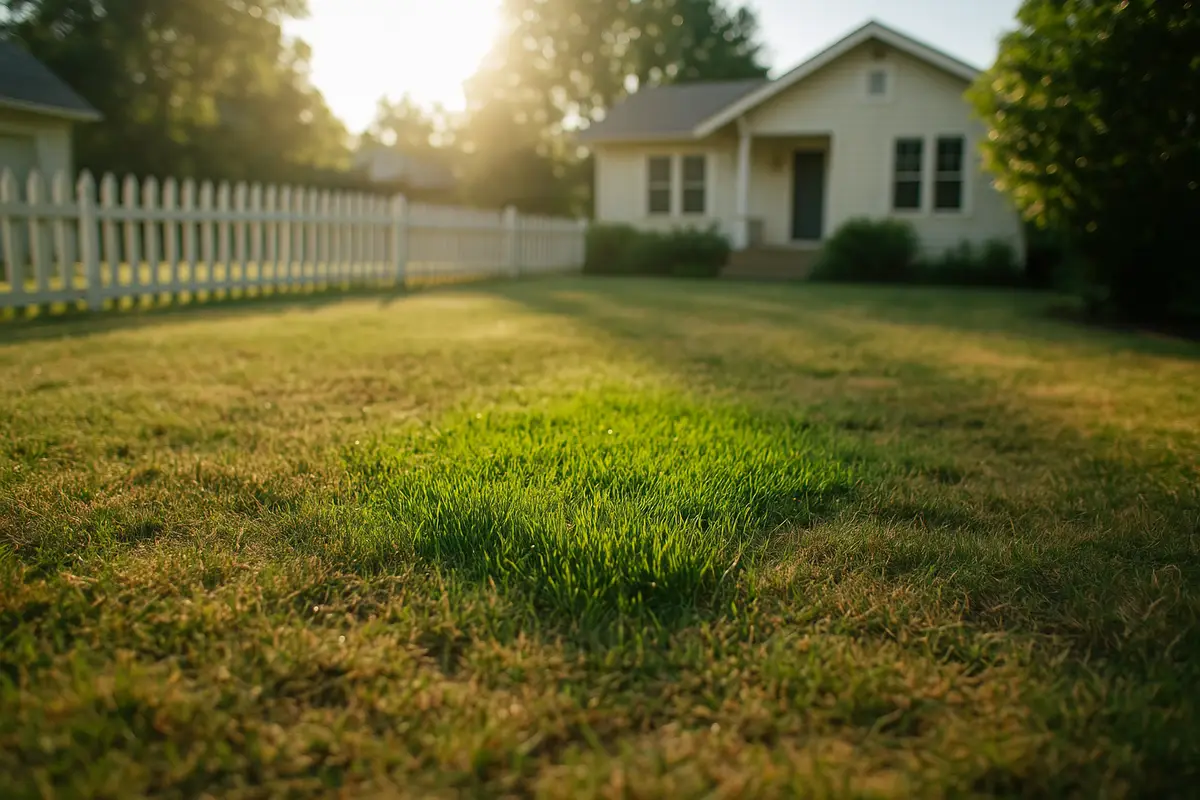
The most common signs of underground pipe damage are soggy or unusually green patches in the yard, a sudden spike in your water bill, low water pressure, cracks in your foundation or walkways, sinkholes, sewage odors, and discolored tap water. Catching these signs early can save homeowners thousands of dollars and prevent serious structural damage.
Your home's underground pipes carry fresh water in and wastewater out, day after day, without you ever having to think about them, until something goes wrong. Unlike a dripping faucet or a leaky fixture under the sink, underground pipe damage hides beneath concrete slabs, soil, and landscaping. By the time it becomes visible above ground, the damage below may have been building for months.
Knowing what to look for early is the difference between a routine repair and a five-figure excavation project. If you notice any of these signs, our professional plumber can pinpoint the exact cause before it spreads. Here's a practical, sign-by-sign guide to recognizing underground pipe damage before it turns into an emergency.
What Causes Underground Pipe Damage?
Before spotting the signs, it helps to understand why underground pipes fail in the first place. The most common causes include:
- Tree root intrusion: roots seek out moisture and can crack or infiltrate pipe joints
- Soil shifting and settling: seasonal freeze-thaw cycles and unstable ground can stress or crack pipes
- Pipe age and material: older clay, cast-iron, or galvanized steel pipes corrode and weaken over time
- Sediment buildup: mineral deposits and debris narrow pipes and increase pressure on weak points
- Physical impact: construction, landscaping, or heavy equipment can crush or puncture buried lines
7 Signs of Underground Pipe Damage to Watch For
1. Soggy or Unusually Green Patches in the Yard
A patch of grass that's greener, lusher, or wetter than the rest of your lawn, especially during dry weather, is one of the earliest visible signs of an underground leak. Leaking water acts as unintentional irrigation, and pooling or spongy ground near a pipe run is a strong indicator that water is escaping below the surface.
2. A Sudden Spike in Your Water Bill
If your water usage habits haven't changed but your bill has climbed noticeably, an underground leak is one of the most common explanations. Even a small, steady leak can waste hundreds of gallons a month, since the water is running continuously whether you're using a fixture or not.
3. Low or Fluctuating Water Pressure
A leak in a buried supply line reduces the amount of water reaching your fixtures, since some of it is escaping into the ground before it reaches the tap. If pressure has dropped noticeably throughout the house, and not just at one fixture, it's worth having the underground line inspected rather than assuming it's a fixture-level problem.
4. Cracks in Your Foundation, Driveway, or Walkways
Escaping water softens the soil beneath concrete surfaces, which can cause shifting, settling, and visible cracking in foundations, driveways, and walkways. Foundation cracks in particular should never be dismissed as normal wear. They're often one of the clearest signs that a pipe running beneath or near the slab has failed.
5. Sinkholes or Sunken Areas in the Yard
When a buried pipe leaks or collapses over time, the surrounding soil can erode and create hollow pockets underground. Eventually, the ground above gives way, forming a sunken area or an outright sinkhole. This is one of the more advanced signs of pipe damage and typically signals that the problem has been developing for a while.
6. Sewage Odors Indoors or Outdoors
A persistent sewage smell, whether inside near drains or outside in the yard, usually points to a cracked or collapsed sewer line rather than a supply line issue. Because sewer gas is both unpleasant and potentially hazardous, this sign should prompt a same-day call to a licensed plumber.
7. Discolored or Foul-Smelling Tap Water
If tap water suddenly looks rusty, cloudy, or brown, or develops an odd smell, it can mean a damaged underground pipe is allowing dirt, sediment, or corrosion into your water supply. This is also a health concern, not just a plumbing one, since contaminated water shouldn't be used for drinking or cooking until the source is identified.
How Plumbers Diagnose Underground Pipe Damage
Homeowners can spot the warning signs, but confirming the exact location and cause of underground pipe damage requires professional tools. Our team's video inspection services let a technician see the exact condition of the pipe without any guesswork:
| Method | What It Does | Best For |
|---|---|---|
| Camera inspection | Sends a waterproof camera through the pipe to view cracks, roots, or blockages | Confirming the cause without digging |
| Pressure testing | Isolates sections of the line to identify where pressure drops occur | Pinpointing leak location |
| Tracer gas detection | Pumps a safe gas into the line and detects where it escapes above ground | Slab leaks and hard-to-reach areas |
Diagnosing the problem first prevents unnecessary digging and helps determine whether a repair, trenchless pipe lining, or full pipe replacement is the right fix. If the inspection turns up a blockage rather than a break, our drain cleaning services can often resolve the issue without any excavation at all.
What to Do If You Notice These Signs
- Don't ignore it. Underground pipe damage doesn't fix itself and typically worsens over time.
- Turn off water to the affected line if possible to limit further water loss or contamination.
- Call a licensed plumber for a camera inspection before assuming you need a full excavation. Many issues can be fixed with trenchless repair methods.
- Document the signs (photos of yard damage, cracks, or discoloration) to help the technician diagnose faster.
Get a Professional Pipe Inspection Near You
If you're noticing any of these warning signs, don't wait for a small leak to become a major repair. Our team is led by a fourth-generation licensed master plumber and provides underground pipe inspection and repair for homeowners in Bristol, Willow Grove, Yardley, Levittown, and Bensalem. Contact team or call (215) 874-0592 today to schedule a camera inspection and get an accurate diagnosis before the damage spreads.
Frequently Asked Questions
How do I know if I have a leaking pipe underground? Watch for soggy or unusually green patches in your yard, a rising water bill with no change in usage, and low water pressure throughout the house. Together, these signs point strongly to an underground leak rather than a fixture-level issue.
Can underground pipe damage cause foundation problems? Yes. Water escaping from a broken pipe softens and erodes the soil beneath your home, which can lead to foundation shifting, cracking, and settling over time. Catching a leak early helps protect your foundation from this kind of damage.
Do I have to dig up my yard to fix an underground pipe? Not always. Many underground pipe issues can be repaired using trenchless methods like pipe lining or pipe bursting, which fix the pipe from the inside without excavating your entire yard. A camera inspection determines whether your situation qualifies.
How much does it cost to repair an underground pipe? Costs vary widely depending on the pipe's location, depth, and the extent of the damage, ranging from a few hundred dollars for a localized repair to several thousand for a full line replacement. A professional inspection is the only way to get an accurate estimate for your property.
What's the difference between a slab leak and an underground pipe leak? A slab leak specifically refers to a leak in a pipe running beneath your home's concrete foundation, while underground pipe damage can occur anywhere in your yard, including supply and sewer lines. Both require similar diagnostic tools, like camera inspection or tracer gas detection, to locate precisely.
Is discolored tap water always a sign of pipe damage? Not always, but it's common enough that it shouldn't be ignored, especially if it's a new or worsening issue. If discoloration persists after running the tap for a minute, it's worth having your plumbing system inspected.