Plumbing problems rarely arrive at a convenient time. A slow-draining sink, a hissing water heater, or a sudden leak under the kitchen cabinet can throw off your entire day. The good news is that most plumbing issues follow predictable patterns, and a trained professional can usually diagnose and resolve them faster than most homeowners expect. This guide walks you through how professional plumbing repair and drain cleaning actually work—what happens during a service call, why certain steps matter, and how to choose a contractor you can trust.
Why Professional Plumbing Repair Matters
Modern homes rely on a network of supply lines, drain pipes, vents, and fixtures that all need to work in sync. When one part fails, the rest of the system feels it. A small drip at a shut-off valve can rot a subfloor over time. A pinhole leak inside a wall can quietly drive up your water bill for months. That is why working with a licensed local plumber is one of the smartest investments you can make in your home. A trained technician brings the diagnostic tools, code knowledge, and replacement parts needed to fix the actual cause of a problem—not just the symptom.
Common Issues a Plumber Resolves
- Leaky faucets, running toilets, and dripping shower valves
- Low water pressure throughout the home
- Pipe corrosion, freeze damage, and slab leaks
- Water heater failure, sediment buildup, or pilot issues
- Garbage disposal jams and noisy operation
- Sewer backups, slow drains, and recurring clogs
For routine repairs and stubborn fixture issues, expert pipe and fixture repair often saves homeowners far more than the cost of the visit by stopping water damage before it spreads.
How a Professional Drain Cleaning Service Works
Drain cleaning is one of the most misunderstood plumbing services. Many homeowners reach for a chemical drain cleaner first, but those products often cause more harm than good. They corrode pipes, leave residue behind, and rarely clear the actual blockage. A professional approach is very different. When you book thorough clog removal and pipe clearing, the plumber follows a structured process designed to fix the problem and prevent it from coming back.
Step 1: Inspection and Diagnosis
The technician begins by talking with you about what you have noticed—gurgling sounds, slow drainage, foul odors, or water backing up into another fixture. From there, they may use a small video camera to inspect the line. This step is critical because it identifies whether the blockage is from grease, hair, tree roots, sediment, or a collapsed section of pipe.
Step 2: Mechanical or Hydro Jet Cleaning
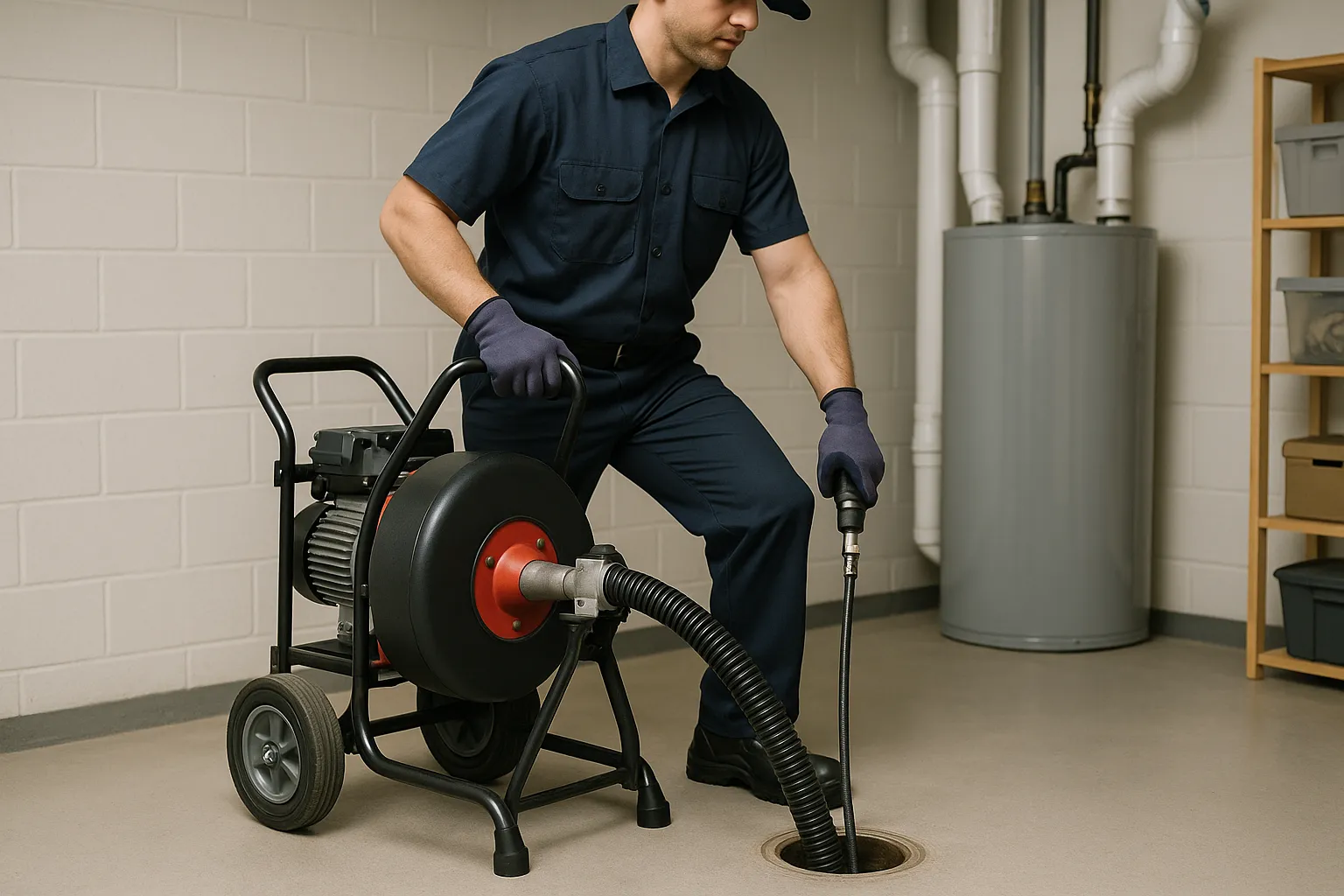
Once the cause is clear, the plumber selects the right tool. A motorized drain auger, sometimes called a snake, breaks through soft clogs. For heavier buildup—grease layers, mineral scale, or root intrusion—hydro jetting uses high-pressure water to scour the inside of the pipe and restore the full diameter. This is the gold standard for restoring flow because it cleans the entire wall of the pipe, not just a narrow channel through the middle of the clog.
Step 3: Final Inspection and Recommendations
After the line is clear, a quick second camera pass confirms the work is complete. The plumber may also point out future concerns, such as aging cast iron or a section of clay pipe that should be monitored. This is where good preventive advice—how to use enzyme treatments, what to keep out of the kitchen sink, and when to schedule annual maintenance—turns a one-time service call into long-term peace of mind.
When to Call for Emergency Service
Some plumbing issues simply cannot wait for the next business day. Burst pipes, sewage backups, and water heater failures can cause thousands of dollars in damage in a matter of hours. If you see water spreading across the floor, smell sewer gas inside the home, or notice that no fixtures are draining, shut off the main water valve and reach out for around-the-clock plumbing help right away. A fast response often turns what could have been a major restoration project into a routine repair.
How to Choose the Right Plumbing Contractor
Not all plumbing companies operate the same way. Before scheduling a service, it helps to know what separates a reliable contractor from the rest.
- Licensing and insurance: Always confirm the company is licensed, registered, and insured for the work in your state.
- Experience with your home type: Older homes with cast iron or galvanized pipes need a different approach than newer construction with PEX or copper.
- Transparent pricing: A trustworthy plumber gives you a clear estimate before work begins, with no surprise add-ons.
- Modern equipment: Camera inspections, hydro jetters, and digital leak detection produce better outcomes than guesswork.
- Strong local reputation: Reviews and word-of-mouth from neighbors are some of the best indicators of consistent quality.
Preventive Maintenance Pays Off
The cheapest plumbing repair is the one you never have to make. A short annual checkup—an inspection of supply lines, water heater anode rod, shut-off valves, and main drain—catches small issues before they grow. Pair that with smart everyday habits like keeping grease and coffee grounds out of the sink, using drain screens, and flushing only toilet paper, and the average household can avoid the vast majority of emergency calls. For homeowners who want a partner for both routine work and major projects, a full-service residential plumbing team makes ongoing care simple.
Two upgrades are also worth considering for any home prone to basement moisture or storm-driven flooding. The first is reliable sump pump installation to keep groundwater out of finished basements. The second is a future-proof project we plan to cover in detail soon: tankless water heater conversion benefits and cost. Both improvements deliver strong long-term value.
Plumbing Help You Can Count On
Whether you are dealing with a stubborn drain, a temperamental water heater, or a leak that refuses to quit, the right team makes all the difference. FKRIV Plumbing & Heating Inc. has built its reputation on honest workmanship and dependable service for families and businesses throughout Levittown, Yardley, Willow Grove, and the surrounding Bucks and Montgomery County communities. To learn more about how the team supports homeowners across these neighborhoods we serve, or to schedule a no-obligation visit, get in touch today and find out why so many of your neighbors trust the same plumber year after year.