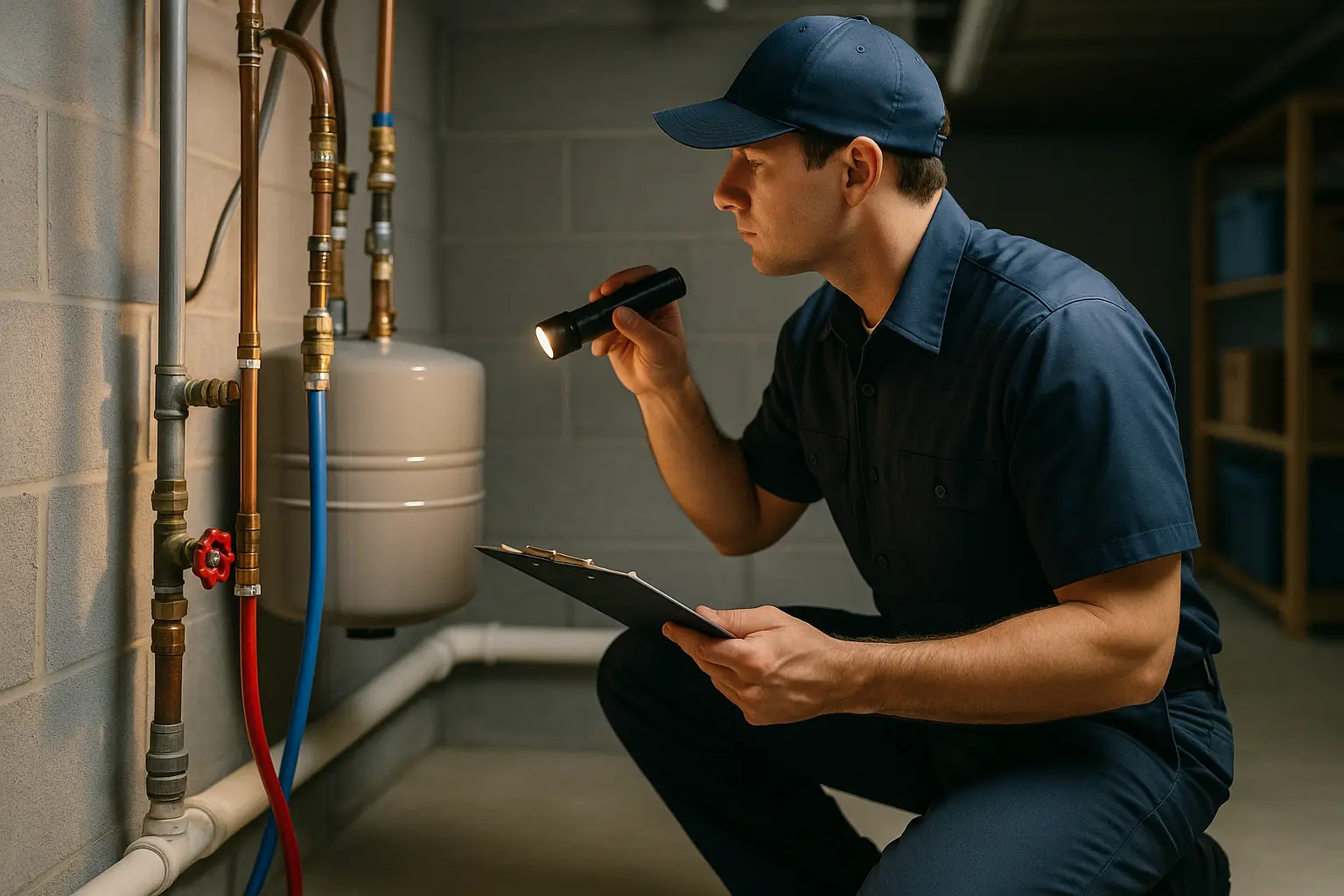
Few household problems hit your wallet harder than a plumbing failure. A slow drip behind a wall, a sluggish drain that suddenly backs up, or a water heater that gives out on a Sunday night can turn an ordinary day into an expensive ordeal. The good news is that most plumbing disasters build quietly over months or years, and almost all of them are preventable with a little consistent care.
Whether you own an older home with copper lines or a newer build with modern PEX, keeping your plumbing in shape comes down to the same basics: pay attention, act early, and bring in a qualified pro before small issues turn into floods.
Why Routine Plumbing Maintenance Pays for Itself
The average emergency plumbing repair costs several times more than the preventive service that would have caught the problem early. Routine maintenance:
- Catches leaks, corrosion, and weak connections before they fail.
- Keeps drains flowing and reduces strain on your sewer line.
- Extends the life of your water heater, sump pump, and fixtures.
Homeowners who schedule annual inspections with an experienced local plumbing team tend to spend far less over the life of their home than those who only call when something is already broken.
Simple Monthly Habits Every Homeowner Should Build
You do not need to be a tradesperson to do meaningful plumbing maintenance. A few minutes each month covers most of what matters.
1. Check under every sink
Open the cabinets under your kitchen and bathroom sinks once a month. Look for water stains, white mineral crust on the fittings, or any dampness around the trap. A pinhead-sized leak can release hundreds of gallons a month while you sleep.
2. Test your shutoff valves
Locate your main water shutoff and the individual shutoffs at every toilet and sink. Turn each one a quarter turn and back. Valves that are never used tend to seize, which is the last thing you want during a flood.
3. Watch your water bill
A bill that jumps without an obvious reason is often the first warning sign of a hidden leak. Investigate any sudden spike.
Take Drain Care Seriously
Drains do not clog overnight. Soap scum, hair, grease, and food particles build up inside the pipe gradually. By the time water is pooling around your feet in the shower, the line is already badly restricted.
Skip the harsh chemical drain cleaners sold at big box stores. They can corrode older pipes and rarely solve the actual problem. Build these habits instead:
- Use mesh strainers in every sink and tub to catch hair and food debris.
- Never pour cooking grease down the drain. Let it cool and toss it in the trash.
- Flush slow drains weekly with very hot water and a little dish soap.
Outdoor factors matter too. Yard runoff, clay soil, and tree roots can all push debris into your underground lines. If you keep having repeat backups in the same drain, the cause may be outside your home entirely. Our guide on how soil and sediment contribute to stubborn drain blockages walks through why this happens.
When a clog refuses to clear with basic tools, calling in a professional drain cleaning crew is far smarter than forcing the issue with a rented snake.
Protect Your Water Heater
Your water heater is one of the hardest-working appliances in the house and one of the most overlooked. Mineral sediment settles to the bottom of the tank over time, forcing the burner to work harder and shortening the life of the unit.
Once a year, flush a few gallons from the drain valve at the base of the tank, and test the temperature and pressure relief valve while you are there. Any rust-colored water, popping noises, or temperature swings should prompt a call to a licensed pro. If your unit is more than ten years old and acting up, plan for replacement on your terms.
Seasonal Plumbing Checklist
Plumbing systems face different stresses across the year. Matching your maintenance to the seasons keeps surprises to a minimum:
- Spring: inspect exposed pipes for freeze cracks, test your sump pump, and clean gutters.
- Summer: replace rubber washing machine hoses with braided steel and check outdoor spigots.
- Fall: disconnect garden hoses before the first freeze, insulate pipes in unheated spaces, and schedule a heating tune-up.
- Winter: keep the house above 55°F when away, drip faucets on the coldest nights, and open cabinet doors on exterior walls.
For a deeper breakdown by season, our year-round plumbing maintenance guide covers each quarter in detail with the specific items every homeowner should review.
Know When to Stop and Call a Professional
DIY has its place. Tightening a loose handle, swapping a worn flapper, or plunging a slow drain are all reasonable homeowner tasks. But some situations call for licensed expertise immediately:
- Water coming through the ceiling or pooling in the basement.
- Sewage odors or backups in lower-level fixtures.
- No hot water combined with a hissing or knocking heater.
- Sudden drop in water pressure across the whole house.
When any of these show up, fast action matters. Reach out for around-the-clock emergency assistance rather than waiting until morning. The longer water runs unchecked, the larger the repair bill becomes.
Final Thoughts: Small Habits, Big Savings
Home plumbing maintenance is not complicated. A few minutes each month, a seasonal check each quarter, and a trusted professional on call will save you thousands over the life of your home.
FKRIV Plumbing & Heating Inc. has helped homeowners across Levittown, Horsham, and Warminster Heights, along with the surrounding Bucks and Montgomery County communities, protect their homes from the small problems that turn into big ones. As a fourth-generation master plumber team, we know what to look for, what to fix now, and what can wait. If you want a knowledgeable crew to evaluate your system, our trusted neighborhood plumbing specialists are ready to help. Call (215) 874-0592 to schedule an inspection today.