How Outdoor Debris Gets Into Your Drainage System
Most homeowners think of drain clogs as an indoor problem caused by food scraps, hair, and soap buildup. But if you have ever dealt with a stubborn backup that keeps coming back despite repeated cleaning, the source of the problem may not be inside your house at all. Dirt, soil, sand, and sediment from your yard, driveway, and landscaping can enter your drainage system in ways that are not always obvious, gradually building up inside pipes until water flow slows to a crawl or stops entirely.
In areas like Bucks County, where many homes sit on properties with mature trees, clay-heavy soil, and older drainage infrastructure, sediment infiltration is a common and underestimated cause of drain blockages. Understanding how it happens is the first step toward preventing it.
Common Ways Sediment Enters Your Drains
Outdoor drains, basement floor drains, and even your main sewer line are all vulnerable to sediment intrusion. After heavy rain, soil and debris wash toward your foundation and can enter through cracks in drain pipes, loose pipe joints, or poorly sealed cleanout access points. Homes with downspouts connected directly to underground drainage lines are especially susceptible because every rainstorm pushes grit and soil particles into the pipe system.
Tree roots are another major factor. When roots penetrate a pipe joint or crack seeking moisture, they create an opening that allows surrounding soil to wash into the line. Once inside, the combination of root growth and sediment accumulation creates a blockage that no amount of liquid drain cleaner will resolve.
Even interior drains can be affected. Laundry drains accumulate sediment from work clothes and outdoor gear. Utility sinks used for cleaning gardening tools, boots, or equipment introduce soil directly into the plumbing. Over time, these small contributions compound into significant blockages deep in the drain line where homeowners cannot see or reach them.
Warning Signs of Sediment-Related Drain Problems
Sediment blockages tend to develop gradually rather than causing a sudden backup. The earliest sign is usually a drain that takes slightly longer to empty than it used to. You might notice gurgling sounds from a drain after water is used elsewhere in the house, which indicates air is being displaced by water trying to navigate a partially blocked pipe.
If multiple drains in your home are slow simultaneously, particularly on the lowest level of your house, the problem is likely in your main sewer line rather than in individual fixture drains. Water backing up in a basement floor drain during heavy rain is another classic indicator that sediment or soil has compromised your underground drainage.
Foul odors from drains that persist despite cleaning can also signal sediment buildup. Organic material trapped in sediment deposits decomposes and produces gases that rise through the drain system. If you are noticing these symptoms, a professional drain inspection is the most efficient way to identify the exact cause and location of the problem.
Why Store-Bought Drain Cleaners Make the Problem Worse
Chemical drain cleaners are designed to dissolve organic clogs like hair and grease. They are not effective against sediment, soil, or mineral deposits, and using them repeatedly on a blockage they cannot clear simply exposes your pipe walls to corrosive chemicals that can weaken joints and accelerate deterioration. In older homes with cast iron or clay sewer pipes, chemical drain cleaners can cause more damage than the clog itself.
Mechanical solutions like basic drain snakes can sometimes push through a sediment blockage, but they rarely clear the full diameter of the pipe. The blockage reforms quickly because the underlying sediment deposit remains in place. For sediment-related issues, professional drain cleaning with commercial-grade equipment is the only approach that fully restores pipe capacity.

How Professional Drain Cleaning Solves Sediment Blockages
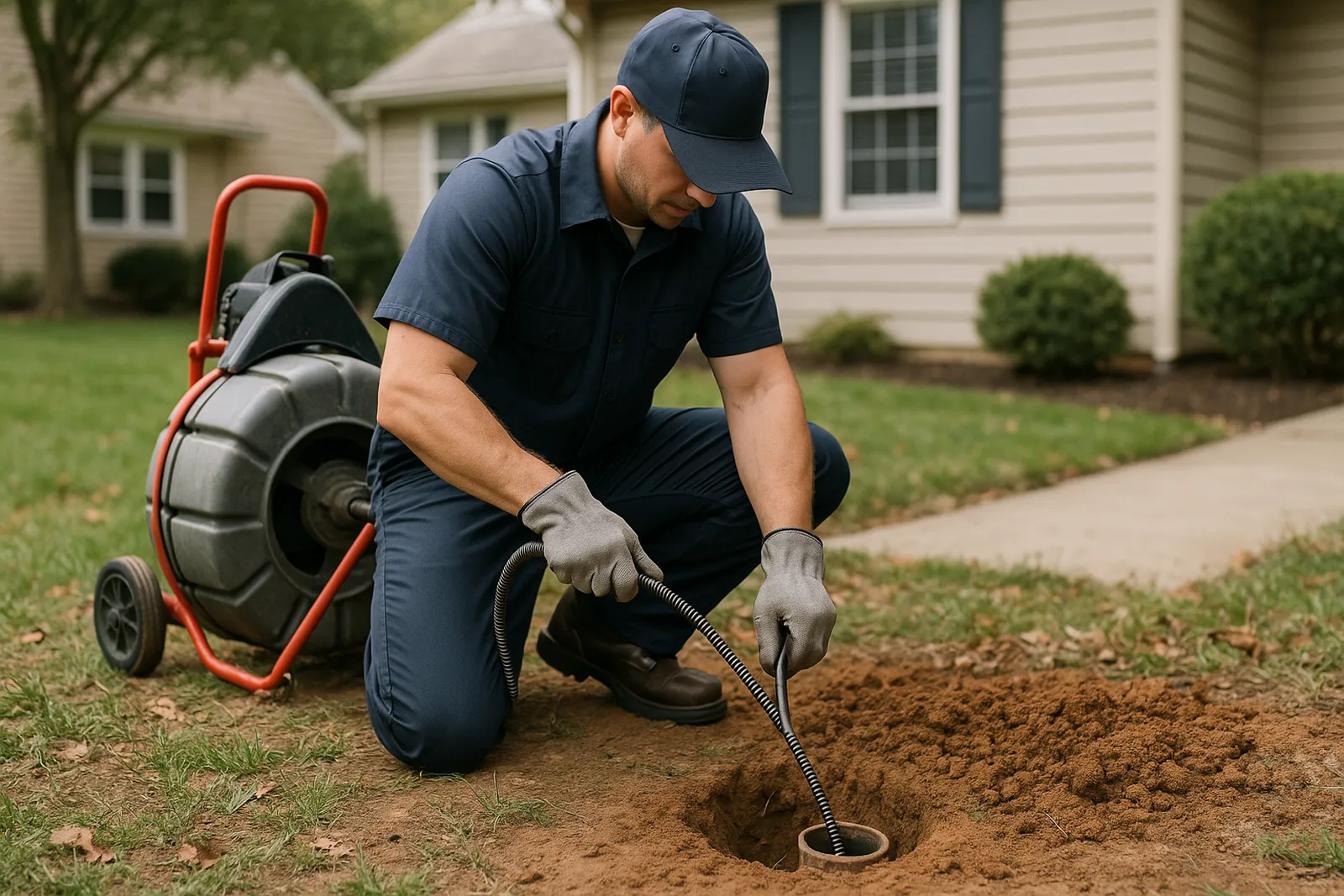
A professional plumber brings tools that go far beyond what is available at a hardware store. Motorized drain snakes with cutting heads can break through compacted sediment and root masses. Hydro-jetting, which uses high-pressure water to scour the interior pipe walls, is the gold standard for removing sediment buildup because it clears the full circumference of the pipe rather than just punching a hole through the center of the blockage.
Before any cleaning begins, a video camera inspection allows the plumber to see exactly what is causing the blockage, where it is located, and what condition the pipe is in. This diagnostic step prevents unnecessary work and ensures the right solution is applied. It can also reveal problems you did not know about, like a cracked pipe or root intrusion that would cause the blockage to recur if not addressed.
At FKRIV Plumbing & Heating Inc., our drain cleaning services include camera inspection as part of the diagnostic process. We serve homeowners across Jamison, Levittown, Yardley, Willow Grove, Bristol, and surrounding communities with fast, thorough drain cleaning that addresses the root cause of blockages, not just the symptoms.
Preventive Steps to Keep Sediment Out of Your Drains
Prevention starts with controlling how water flows around your property. Make sure downspouts discharge away from your foundation and are not connected directly to aging drain lines. Keep gutters clean so overflow does not erode soil near your home. If you have outdoor drains or catch basins, check them periodically for accumulated debris and clear them before heavy rain.
Inside your home, use drain screens on utility sinks and laundry drains to catch sediment before it enters the system. Avoid pouring water with visible soil or debris directly down drains. And schedule preventive drain maintenance annually, especially if your home is older or surrounded by mature trees. A professional cleaning and inspection once a year is the most reliable way to catch developing problems before they become emergencies.
Ready to Get Help?
Contact FKRIV Plumbing & Heating Inc. today. Call (215) 874-0592 or visit to schedule service.