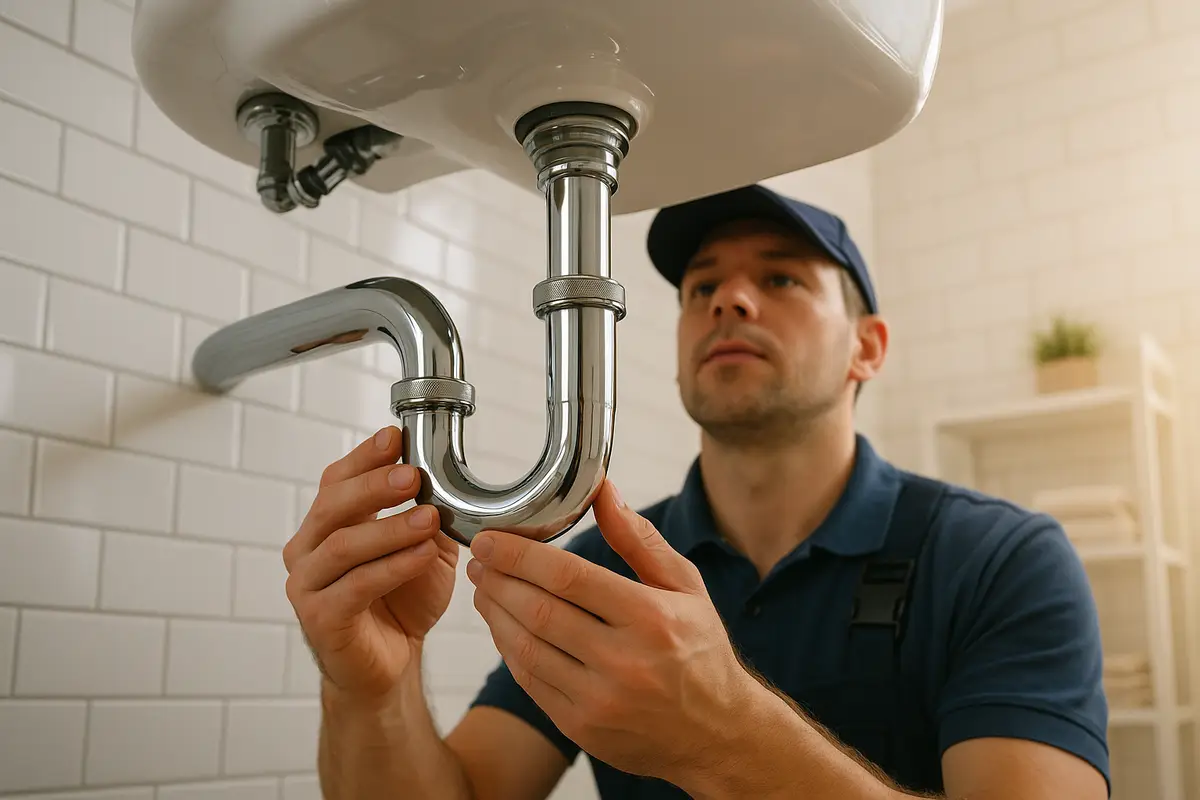
The first few minutes of a plumbing emergency are important. Shutting off the water, turning off power near wet areas, and containing the water can help reduce damage and make cleanup easier. Plumbing emergencies can happen suddenly, whether it is a burst pipe in the basement or a toilet that keeps overflowing.
You do not need to be a plumbing expert to take the right first steps. Knowing what to do can help you stay calm, limit the damage, and make it easier for a professional to handle the problem. This guide covers five practical steps you can take when a plumbing emergency happens in your home.
1. Shut Off the Water Right Away
Your first move in almost any water-related crisis is to stop the flow. Every fixture, including sinks, toilets, and washing machines, has a local shutoff valve nearby, usually tucked underneath or behind it. Turning that valve clockwise will cut off the supply to that single fixture and often solves the immediate problem on its own.
When the trouble is bigger, such as a burst pipe or a leak you can't pinpoint, head straight for the main shutoff valve. This is typically located where the water line enters your home, often in a basement, crawl space, or near the water meter. Shutting it down stops water to the entire house and buys you time to think clearly. It's worth learning where this valve lives before you ever need it, so you're not searching for it while water spreads across the floor.
2. Cut the Power if Water Is Near Electrical Sources
Water and electricity are a dangerous pair. If a leak or flood is approaching outlets, your electrical panel, or appliances, safety has to come before any cleanup. Standing water around live circuits can create a serious shock hazard, and it's not a risk worth taking.
If you can reach your breaker box without stepping into wet areas, switch off power to the affected part of the home. If the panel itself is surrounded by water, stay back and call an electrician or your utility provider instead. No amount of saved carpet is worth a personal injury. Once the area is safe, you can move on to managing the water itself.
3. Contain the Damage and Clear the Path
After the supply is off, your goal shifts to limiting how far the water travels. Grab towels, buckets, and a wet/dry vacuum if you have one, and start soaking up or redirecting the mess. Move furniture, rugs, and anything valuable out of the wet zone before moisture has a chance to settle in.
Clogs and backups deserve special care here. Resist the urge to keep flushing or running water through a blocked line, since that only pushes the problem further. For stubborn blockages, a professional approach to clearing slow and backed-up lines is far safer than aggressive plunging or harsh chemical drain openers, which can corrode pipes and make repairs harder down the road.
4. Document Everything Before You Clean Up
It's tempting to dive straight into cleanup, but a few minutes of documentation can save you real money later. If you carry homeowner's insurance, photos and short videos of the damage create the evidence you'll need when filing a claim. Capture the source of the problem, the affected rooms, and any belongings that took a hit.
Keep a simple record as you go:
- Wide shots of each damaged area, plus close-ups of the leak or break
- Photos of soaked furniture, flooring, and personal items
- Notes on when you first noticed the issue and what you did in response
- Receipts for any emergency supplies or temporary repairs
This habit feels tedious at the moment, but adjusters appreciate clear evidence, and it speeds up the entire claims process when you're already stressed.
5. Call a Licensed Professional Without Delay
Containing the situation is only the first half of the story. Most plumbing emergencies have an underlying cause that won't fix itself, and temporary measures rarely hold for long. The faster a qualified expert gets eyes on the problem, the less likely you are to face repeat flooding or hidden water damage behind your walls.
When you reach out, describe what happened, what you've already done, and where the shutoff valves are. A trusted team of local repair specialists can often talk you through extra steps over the phone while they're on the way. Having a reliable contact saved before trouble strikes is one of the smartest things any homeowner can do.
Why a Little Preparation Goes a Long Way
Emergencies are stressful precisely because they catch us off guard. The homeowners who handle them best aren't the ones with the most plumbing knowledge, but the ones who prepared a few simple things in advance. Knowing where your valves are, keeping a basic cleanup kit handy, and having a number to call removes the guesswork at the worst possible moment.
It also helps to build a relationship with a dependable provider before anything breaks. Working with an established full-service neighborhood contractor means you already have a trusted name on hand, and they may already be familiar with your home's setup. That familiarity translates into faster diagnosis and fewer surprises when minutes count.
Routine maintenance plays a quiet but powerful role here, too. Many emergencies start as small, ignorable issues, such as a slow drain, a faint drip, or a faucet that takes a second too long to shut off. Addressing these early is almost always cheaper and far less disruptive than dealing with a full-blown failure later.
Final Thoughts
Plumbing emergencies are rarely convenient, but they're far more manageable when you know what to do. Shut off the water, protect against electrical hazards, contain the damage, document everything, and bring in a licensed professional as soon as you can. Those five steps turn a chaotic moment into a controlled one and protect both your home and your peace of mind.
For dependable emergency support and everyday plumbing care, FKRIV Plumbing & Heating Inc. proudly serves homeowners throughout Bristol, Willow Grove, and Yardley, ready to step in the moment you need a steady, professional hand.
Frequently Asked Questions
What should I do first during a plumbing emergency?
The first step is to shut off the water supply. Use the nearest fixture valve or the main shutoff valve to stop water flow and prevent further damage.
Is it necessary to turn off electricity during a water leak?
Yes. If water is near electrical outlets, appliances, or panels, switch off the power from a safe location to avoid the risk of electric shock.
How can I minimize damage before a plumber arrives?
Contain the water using towels, buckets, or a wet vacuum. Move furniture and valuables away from the affected area to prevent further loss.
Should I document the damage for insurance purposes?
Yes. Take clear photos and videos of the damage, including the source, affected areas, and damaged belongings. This helps speed up insurance claims.
When should I call a professional plumber?
Call a licensed plumber immediately after controlling the situation. Quick professional intervention prevents recurring issues and hidden damage.