The plumber has packed up, the leak has stopped, and your home feels back to normal. It is tempting to consider the job finished the moment the truck pulls away. In reality, the hours and days right after a repair are some of the most important for protecting your investment and making sure the problem stays solved.
A little follow-through goes a long way. Knowing how to test the repair, watch for warning signs, and care for your pipes afterward can save you from repeat visits and unexpected damage. This guide walks you through exactly what to do after a plumbing repair so you can feel confident the work will hold up.
Inspect the Repair Before the Plumber Leaves
The best time to catch a problem is while the professional is still on-site. Before you sign off and they head out the door, take a few minutes to walk through the work together.
Ask your technician to show you what was done and why. A trustworthy plumber will gladly explain the repair in plain language and point out the parts they replaced or adjusted. Use this moment to:
- Watch them run water through the repaired fixture or line so you can see it working.
- Check for any visible drips, moisture, or loose fittings around the repair area.
- Ask whether the fix is permanent or a temporary measure that needs future attention.
- Confirm what warranty or guarantee covers the work and how long it lasts.
Taking notes or snapping a few photos on your phone creates a handy record if you ever need to reference the repair later.
Test the Repair Over the First 24 to 48 Hours
Some issues only reveal themselves under normal daily use. After the plumber leaves, put the repair through its paces gradually rather than assuming everything is perfect.
Run Through Everyday Use
Turn on faucets, flush toilets, and run appliances connected to the repaired line. Pay attention to water pressure, drainage speed, and any unusual sounds such as gurgling, knocking, or hissing. These small clues often point to lingering trouble.
Check Hidden Areas
Look under sinks, behind appliances, and around the base of toilets for new moisture. A slow leak may take a day or two to show itself, so peek at these spots again the following morning. Catching a drip early is far easier than dealing with water damage that has crept into cabinets or flooring.
Watch for Warning Signs That Something Is Off
Even a well-done repair can occasionally need a second look. Knowing the red flags helps you act quickly instead of waiting until a minor issue becomes an emergency. Reach out to your plumber if you notice:
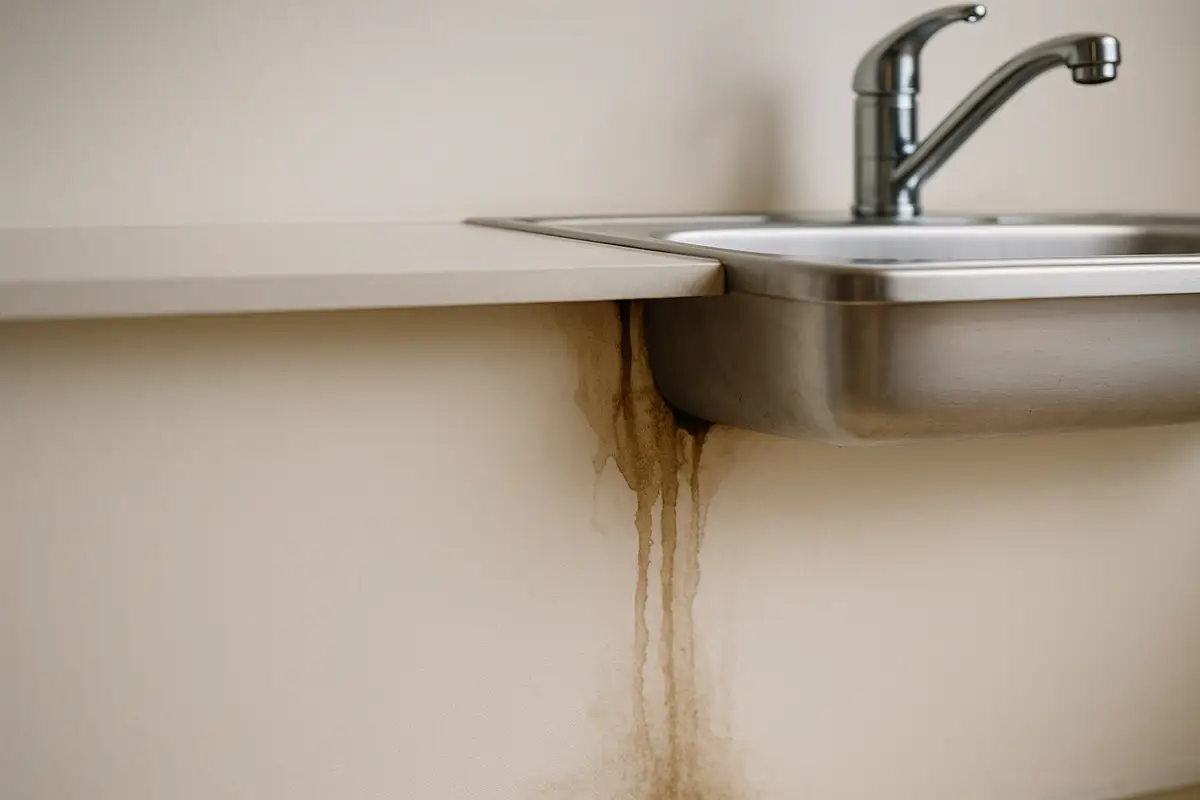
- Water spots, warping, or discoloration on walls, ceilings, or floors near the repair.
- A sudden spike in your water bill, which can signal a hidden leak.
- Persistent damp smells or the appearance of mold in the area.
- Drains that slow down again or back up shortly after a clog was cleared.
- Reduced water pressure that did not exist before the work.
If a previously cleared drain starts acting up again, it may point to a deeper blockage that needs professional attention. A team experienced in clearing stubborn buildup from your pipes can pinpoint whether the issue is a surface clog or something further down the line.
Care for Your Plumbing After the Fix
Once you are confident the repair is solid, a few good habits will help everything stay that way. Treating your plumbing gently extends the life of both the new work and the rest of your system.
Be Mindful of What Goes Down the Drain
Grease, coffee grounds, and so-called flushable wipes are leading causes of repeat clogs. Wipe greasy pans with a paper towel before rinsing, and keep a mesh strainer in every sink and tub to catch hair and food scraps.
Keep an Eye on Water Pressure
Excessively high water pressure puts strain on pipes, joints, and fixtures. If your home feels like it has unusually forceful flow, ask a professional about installing or checking a pressure regulator to protect your freshly repaired plumbing.
Schedule Routine Maintenance
Annual checkups catch small problems before they grow. Partnering with your local plumbing professionals for periodic inspections is one of the simplest ways to avoid surprise breakdowns and keep your whole system healthy.
Protect Your Home From Future Water Damage
A repair fixes the immediate problem, but smart homeowners think one step ahead. Many plumbing emergencies stem from issues that build quietly over time, especially in basements and lower levels where water naturally collects.
If your repair involved flooding, seepage, or a damp lower level, it is worth considering long-term safeguards. Investing in equipment focused on keeping your basement dry during heavy storms adds a valuable layer of defense against the next big rain. Pairing a reliable repair with proactive protection gives you real peace of mind.
Other simple safeguards include knowing where your main water shutoff valve is, keeping it accessible, and showing every adult in the household how to use it. In a sudden leak, shutting off the water within seconds can be the difference between a quick mop-up and a costly restoration.
Keep Good Records and Stay in Touch
Finally, hold on to your paperwork. File the invoice, warranty details, and any notes about the repair somewhere easy to find. Good records make future service faster, support warranty claims, and add value when you eventually sell your home.
Building an ongoing relationship with a plumber you trust means you always have someone to call who already knows your home. That familiarity leads to quicker diagnoses and better long-term care.
Trust Local Experts for Lasting Results
Following these steps after a plumbing repair helps you protect your home, extend the life of the work, and avoid unwelcome surprises down the road. When you partner with a knowledgeable, family-run team, you gain more than a quick fix; you gain a reliable resource for years to come. FKRIV Plumbing & Heating Inc. is proud to deliver dependable workmanship and honest guidance to homeowners throughout Warminster, Warrington, and Bristol, helping every household keep its plumbing in top shape long after the repair is done.
Frequently Asked Questions
What should I check immediately after a plumbing repair?
Inspect the repaired area for visible leaks, loose fittings, and proper operation. Run water through the fixture to ensure everything is functioning correctly before the plumber leaves.
How long should I monitor the repair after service?
It is recommended to monitor the repair for at least 24 to 48 hours, checking for leaks, unusual sounds, or changes in water pressure.
What are signs that a plumbing repair may not be successful?
Warning signs include water stains, damp smells, reduced water pressure, recurring clogs, or an unexpected increase in your water bill.
How can I prevent plumbing issues after a repair?
Avoid putting grease, food scraps, and non-flushable items down drains, maintain proper water pressure, and schedule routine inspections to keep the system in good condition.
Why is it important to keep records of plumbing repairs?
Keeping invoices, warranties, and repair details helps with future maintenance, supports warranty claims, and adds value when selling your home.