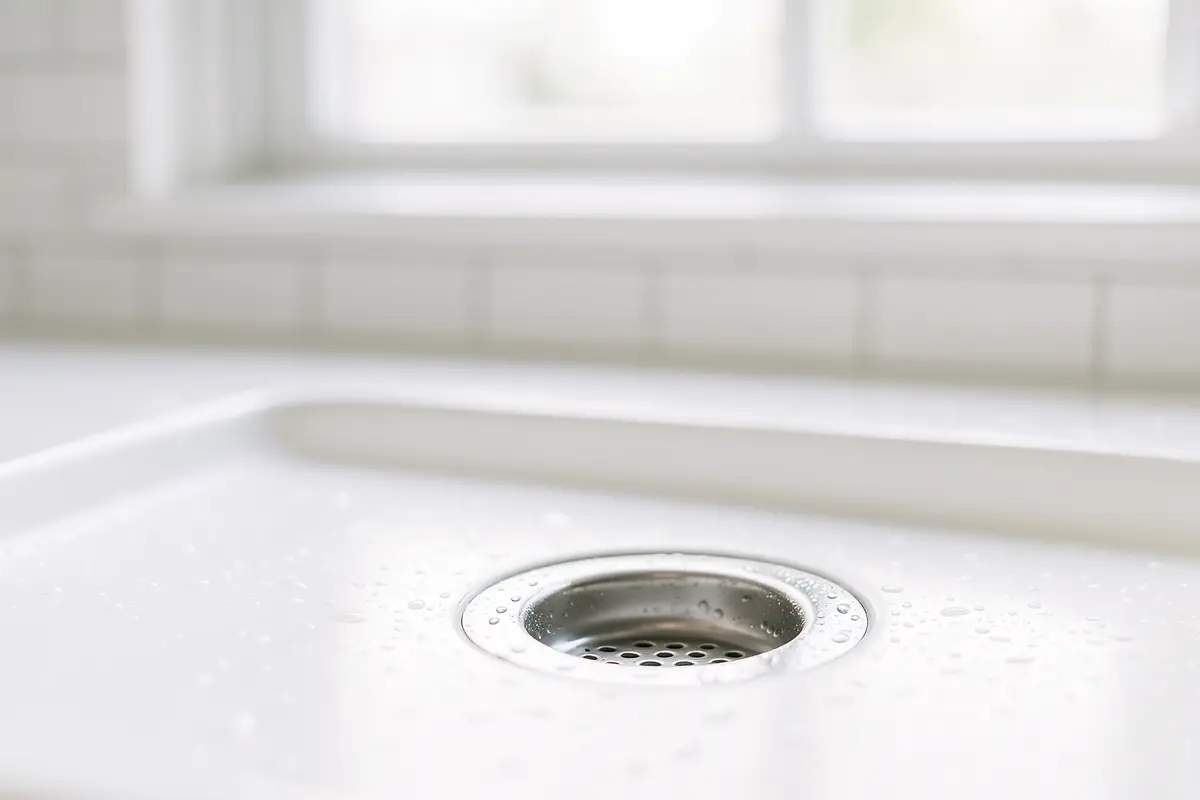
A kitchen sink that won't drain is one of those problems that sneaks up on you. One day your sink drains perfectly; the next, you're standing in front of a basin full of murky water wondering what went wrong. The good news? Most kitchen sink clogs have a clear cause — and many can be resolved without a costly service call if you catch them early enough.
This guide breaks down the most common reasons your kitchen sink isn't draining, walks you through practical fixes you can try at home, and explains when it's time to call in a licensed residential plumber.
The Most Common Reasons Your Kitchen Sink Won't Drain
1. Grease and Fat Buildup
This is the number one culprit in most kitchens. When you pour cooking grease down the drain, it may look like liquid — but it cools quickly and solidifies along the inside of your pipes. Over time, layers of fat, oils, and soap scum form a sticky coating that narrows the pipe and eventually blocks it completely.
Common contributors include bacon grease, butter, cooking oil, and even dish soap residue. Never pour hot grease down the drain. Let it solidify in a container and throw it in the trash instead.
2. Food Debris and Scraps
Even if you have a garbage disposal, food scraps like coffee grounds, pasta, rice, and vegetable peels can accumulate in the drain. These materials expand when wet andstick to the inside of the pipes, creating blockages that build up faster than you might expect.
3. A Blocked P-Trap
The P-trap is the curved pipe section underneath your kitchen sink. Its purpose is to hold a small amount of water that prevents sewer gases from rising into your home. While it does its job well, it's also a prime spot for food particles, grease, and debris to collect and block the flow of water.
If your sink drains extremely slowly or not at all, the P-trap is one of the first places to check. Clearing it is a straightforward DIY job for most homeowners.
4. Soap Scum and Residue
Dish soap and hand soap leave residue on the inside walls of your drain pipes over time. Combined with minerals in hard water, soap residue can harden into a crust that significantly reduces drainage. If your water supply runs hard (which it does in many parts of Bucks County), this buildup develops more quickly.
5. Clogged or Failing Garbage Disposal
If your kitchen sink drains through a garbage disposal, a jam or buildup inside the unit itself may be the source of your problem. Disposal blades can become coated with grease and food residue, and if the unit jams or fails, it blocks water flow entirely. Check that the disposal is running properly and reset it if necessary before looking further down the drain line.
6. Venting Issues
Drain pipes require proper air venting to allow water to flow freely. A blocked or improperly installed vent pipe can create negative air pressure inside the drain system that slows or stops drainage entirely. Signs of venting problems include gurgling sounds from the drain, slow drainage in multiple fixtures simultaneously, or a sewer-like odor coming from the sink.
7. Main Sewer Line Blockage
If more than one drain in your home is slow or backing up, the problem likely isn't localized to your kitchen sink — it's in the main sewer line. Tree root intrusion, grease accumulation, and collapsed pipes are common causes of main line blockages. This is not a DIY fix; it requires professional pipe inspection services to diagnose and resolve properly.
How to Fix a Kitchen Sink That Won't Drain: Step-by-Step
Try Boiling Water First
For minor grease clogs, carefully pouring boiling water down the drain in two or three stages can melt and flush away soft blockages. Do this slowly to give the hot water time to work through the grease. Avoid this method if you have PVC pipes, as very high temperatures can damage some PVC pipes.
Use Baking Soda and White Vinegar
Pour half a cup of baking soda directly into the drain, followed by half a cup of white vinegar. The chemical reaction creates fizzing action that helps break up grease and soap buildup. Cover the drain and let it sit for 15–20 minutes, then flush with hot water. This works best for mild slowdowns rather than full blockages.
Plunge the Drain
Use a cup plunger (not a flange plunger — that's for toilets) over the sink drain. Add enough water to cover the bottom of the plunger cup, then push and pull vigorously to create suction. If you have a double sink, block the opposite drain before plunging. Several firm plunges can dislodge many common clogs.
Clean Out the P-Trap
Place a bucket under the curved pipe below the sink. Unscrew the slip joints (you may not need tools for plastic pipes) and remove the P-trap. Clean out any debris, then reassemble and run water to test. This is one of the most effective DIY fixes and takes only about 10 minutes.
Use a Drain Snake or Hand Auger
For blockages further down the pipe, a hand-crank drain snake can reach several feet into the drain line and physically break up or retrieve the clog. Feed the cable into the drain opening and turn the handle clockwise while advancing it. When you feel resistance, you've found the blockage. Rotate and push through, then retract.
For deeper or more stubborn blockages, professional clog removal and drain clearing services may be required.
What NOT to Do When Your Kitchen Sink Won't Drain
Before you reach for a bottle of chemical drain cleaner, consider this: many commercial drain cleaners contain harsh chemicals that corrode pipes, especially older metal pipes, and can create safety hazards if mixed with standing water or other cleaning products.
Here are a few things to avoid:
- Don't overuse chemical drain cleaners; they can damage pipes and seals
- Don't use a plunger if you've recently poured chemical cleaner into the drain; splashing caustic liquid is dangerous
- Don't ignore a slow drain; what starts as a minor problem often becomes a full blockage or pipe damage
- Don't put grease, coffee grounds, pasta, rice, or eggshells into the disposal or drain
When Should You Call a Professional Plumber?
Some drain problems are beyond the reach of a plunger or snake. You should contact a licensed plumber if:
- Multiple drains in your home are slow or backing up at the same time
- You've tried DIY methods and the sink still won't drain
- You hear gurgling sounds from other drains or the toilet when you run the kitchen sink
- There's a sewer smell coming from the drain that doesn't go away
- The drain backs up repeatedly within a short period
- Water appears under the sink or around the base of nearby fixtures
At FKRIV Plumbing & Heating, our team handles kitchen drain issues of every size and complexity; from simple clogs to full comprehensive pipe repair and plumbing services. We use professional-grade equipment to quickly diagnose the source of the problem and fix it right the first time.
How to Keep Your Kitchen Drain Flowing Freely
Prevention is always easier than repair. Follow these habits to keep your kitchen drain clear:
- Scrape food scraps into the trash before washing dishes
- Never pour grease, fat, or cooking oil down the drain
- Run hot water for 30 seconds after doing dishes to flush residue through the pipes
- Use a mesh drain strainer to catch food particles
- Flush the drain monthly with baking soda and hot water as a maintenance measure
- Schedule routine pipe maintenance and drain cleaning at least once a year for homes with heavy kitchen use
Related Plumbing Resources
If you found this article helpful, you may also want to explore these related guides from our blog:
- Top Causes of Kitchen Sink Clogs and How Plumbers Fix Them
- How to Clean a Kitchen Sink Drain: Easy DIY Tips to Prevent Clogs
- 7 Drain Cleaning Methods Compared: Which Works Best?
- The Most Common Causes of Clogged Drains in Homes
Frequently Asked Questions (FAQ)
Why is my kitchen sink draining slowly all of a sudden?
Sudden slow drainage is usually caused by a partial clog forming in the P-trap or the drain line just beyond it. Grease buildup is the most common trigger, but it can also be due to a food particle obstruction or a clogged garbage disposal. Try clearing the P-trap first, then use a plunger or baking soda flush.
Can a clogged kitchen sink cause other plumbing problems?
Yes. If left unaddressed, a clogged kitchen drain can cause water to back up into connected fixtures, put stress on drain pipes, or allow standing water to damage cabinets below the sink. Severe main line blockages can back sewage up into multiple drains throughout the home.
Is it safe to use chemical drain cleaner in my kitchen sink?
Chemical drain cleaners can dissolve some clogs but pose real risks: they can corrode older pipes, damage rubber seals, and create dangerous fumes or splashing hazards if used incorrectly. For persistent blockages, mechanical methods (snaking, hydro jetting) are safer and more effective long-term.
How do I know if the problem is in the kitchen sink or the main sewer line?
If only your kitchen sink is affected, the clog is almost certainly localized to that drain or the P-trap. If multiple fixtures; toilets, showers, or other sinks; are also draining slowly or backing up, the issue is likely in the main sewer line, which requires professional attention.
How much does it cost to unclog a kitchen sink?
DIY methods cost little to nothing. Professional drain cleaning typically starts around $100–$200 for a standard kitchen sink clog, depending on severity and location. Main sewer line issues cost more due to the equipment and labor involved. Getting a diagnosis from a licensed plumber is the best way to get an accurate estimate for your specific situation.
What should I do if my kitchen sink is completely blocked?
Stop running water into the sink to avoid overflow. Try plunging first, then cleaning the P-trap. If neither resolves the issue, call a trusted local plumbing contractor to inspect and clear the blockage safely. Attempting to force water through a fully blocked drain can worsen the problem or cause a leak.
Need Help With a Drain That Won't Clear? We're Here.
FKRIV Plumbing & Heating has been helping homeowners across Levittown, Willow Grove, and surrounding communities with drainage problems, pipe repairs, and full plumbing services for years. Whether you need a quick drain clearing or a full-scale inspection of your drain system, our licensed plumbers are ready to help.
We also offer around-the-clock urgent plumbing assistance for situations that can't wait. If your sink is backed up and you need fast, professional help, give us a call.
Explore our full range of residential and commercial plumbing solutions to see how we can help keep your home's plumbing running smoothly year-round.