That constant hissing or trickling sound coming from your bathroom is more than just annoying — a running toilet can waste hundreds of gallons of water every day and quietly drive up your water bill. The good news is that most running toilets are caused by a handful of simple, fixable issues that most homeowners can tackle with basic tools in under an hour.
This guide walks you through exactly how to diagnose and fix a toilet that won't stop running, step by step. Whether you're handy or picking up a wrench for the first time, we've got you covered.
Why Is My Toilet Running? Common Causes
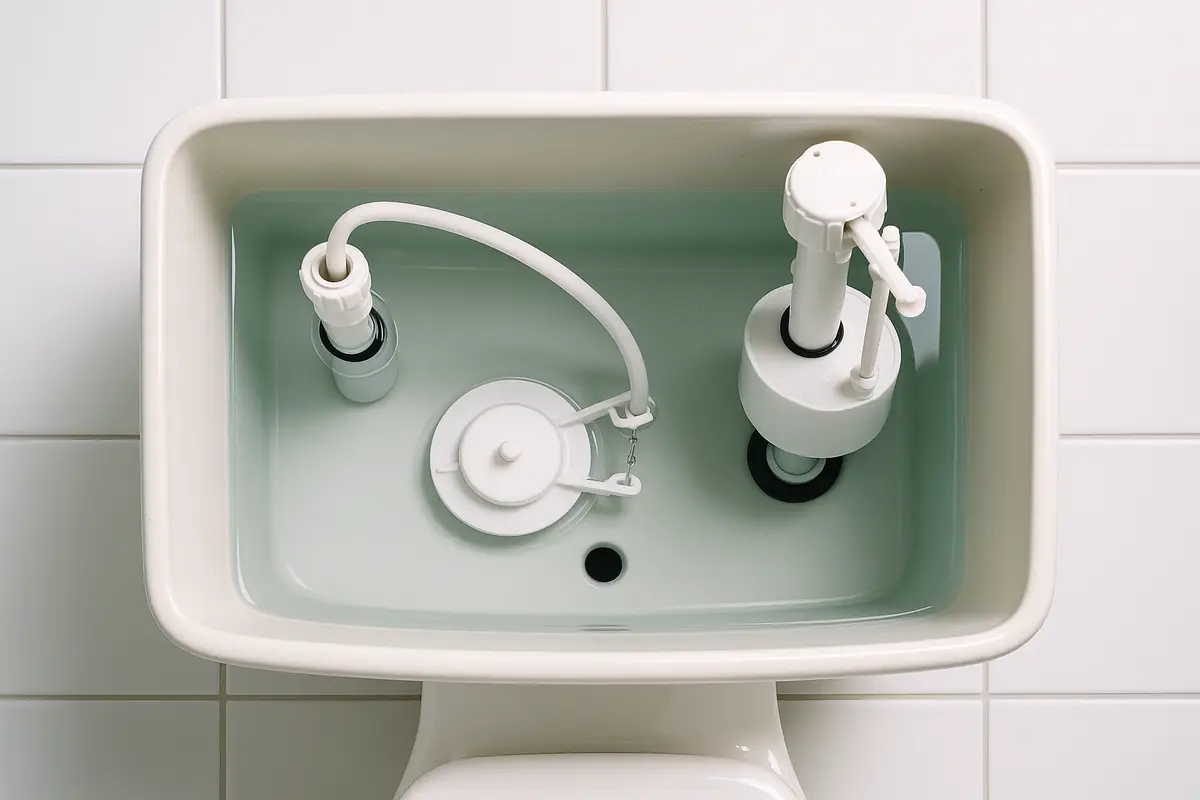
Before you start tinkering, it helps to understand what's going on inside that porcelain tank. A toilet has just a few moving parts, and almost every running toilet problem traces back to one of these:
- Worn or warped flappers that fail to create a tight seal at the bottom of the tank. When it's damaged, it allows water to continuously leak into the bowl.
- Faulty fill valves that do not shut off properly after the tank refills.
- Elevated float components that position water too high near the overflow tube.
- Corroded flush valve seats that accumulate mineral deposits over time.
If you've been dealing with slow drains alongside a running toilet, it may be worth scheduling a drain cleaning service to make sure there aren't multiple plumbing issues happening at once.
Tools You'll Need
You don't need a fully stocked toolbox for this job. Most running toilet repairs only require:
- Adjustable pliers or channel-lock pliers;
- A sponge and bucket (for draining the tank);
- A toilet repair kit (available at any hardware store for around $10–$20);
- White vinegar (for mineral buildup);
- Paper towels or a dry cloth.
Step-by-Step: How to Fix a Running Toilet
Step 1 — Remove the Tank Lid and Diagnose the Problem
Start by carefully lifting the tank lid and setting it aside on a flat surface. Look inside and observe what's happening. Is water spilling into the overflow tube? Is the flapper sitting flat against the flush valve? Does the water stop filling at the correct level? A visual check usually tells you what's wrong in under a minute.
Step 2 — Check and Replace the Flapper
The flapper is the most common culprit. Flush the toilet and watch whether it falls straight down and forms a tight seal. If the flapper looks warped, discolored, or feels slimy, it's time to replace it.
To replace the flapper:
- Turn off the water supply valve (the knob on the wall behind the toilet).
- Flush the toilet to drain the tank.
- Unhook the old flapper from the overflow tube ears and disconnect it from the chain.
- Snap the new flapper into place and reattach the chain, leaving just a small amount of slack.
- Turn the water back on and test.
Step 3 — Adjust or Replace the Float
If water is constantly running into the overflow tube, your float is set too high. On a ball-float system, bend the arm downward slightly to lower the water level. On a cup-float system, squeeze the adjustment clip and slide the float down the fill valve shaft. The water level should sit about one inch below the top of the overflow tube.
Step 4 — Inspect and Replace the Fill Valve
If adjusting the float doesn't stop the running, the fill valve itself may be worn out. A new fill valve typically costs less than $15 and takes about 15 minutes to swap out:
- Shut off the water supply and flush the toilet to empty the tank.
- Disconnect the water supply line from the bottom of the tank.
- Unscrew the locknut beneath the tank and lift out the old fill valve.
- Insert the new fill valve, tighten the locknut, reconnect the supply line, and turn the water back on.
- Adjust the fill valve height per the manufacturer's instructions.
Step 5 — Clean Mineral Deposits from the Flush Valve Seat
If you've replaced the flapper and the toilet still runs, try cleaning the flush valve seat. Pour a small amount of white vinegar into the tank and let it sit for 30 minutes. Then gently scrub the valve seat with an old toothbrush to remove any buildup. Even a thin layer of mineral scale can prevent a proper seal.
Step 6 — Test and Confirm the Fix
Turn the water supply back on and let the tank refill completely. Watch and listen. The fill valve should shut off cleanly once the tank reaches the correct water level. Flush a few times and confirm that the running has stopped. If everything looks good, replace the tank lid and you're done.
When to Call a Professional Plumber
DIY fixes work great for the most common causes of a running toilet. But there are times when it's smarter to call in a pro:
- The toilet keeps running even after replacing the flapper and fill valve;
- You notice water pooling around the base of the toilet;
- There are visible cracks in the tank or bowl;
- The flush valve seat is corroded beyond cleaning;
- You're not comfortable working with plumbing components.
In those cases, a licensed plumber can diagnose the problem quickly and handle it the right way. You can also explore the full range of plumbing services in Bensalem available from FKRIV Plumbing & Heating Inc.
It's also worth noting that if your home's basement has ever taken on water, a well-functioning toilet isn't your only concern. A reliable sump pump installation in Bensalem, PA can help protect your home from water damage before it becomes a serious issue.
How Much Does It Cost to Fix a Running Toilet?
Most homeowners spend very little on a DIY running toilet repair:
- Flapper replacement: $5–$15;
- Fill valve replacement: $10–$25;
- Full toilet repair kit: $15–$30;
- Professional plumbing diagnostics and repair (if needed): Contact us for a transparent, upfront quote based on your specific layout.
When you consider that a running toilet can waste up to 200 gallons of water per day, investing in a $30 repair kit pays for itself almost immediately.
If you're planning to do additional bathroom plumbing work, you'll want to understand how proper toilet installation works from the start. Our toilet plumbing installation guide covers everything from rough-in dimensions to wax ring placement, so your next project starts on the right foot.
And for keeping all your home's plumbing in good shape throughout the year, the year-round plumbing maintenance guide from FKRIV is a great resource to bookmark. It covers seasonal maintenance tasks that can help you avoid emergencies before they happen.
A running toilet is one of the more straightforward plumbing issues a homeowner can face, and with the right information, most repairs are genuinely DIY-friendly. That said, if you've worked through these steps and your toilet still won't cooperate, don't hesitate to reach out to a professional. FKRIV Plumbing & Heating Inc. has been serving homeowners across Bensalem and surrounding communities for years, and the team is always ready to help.