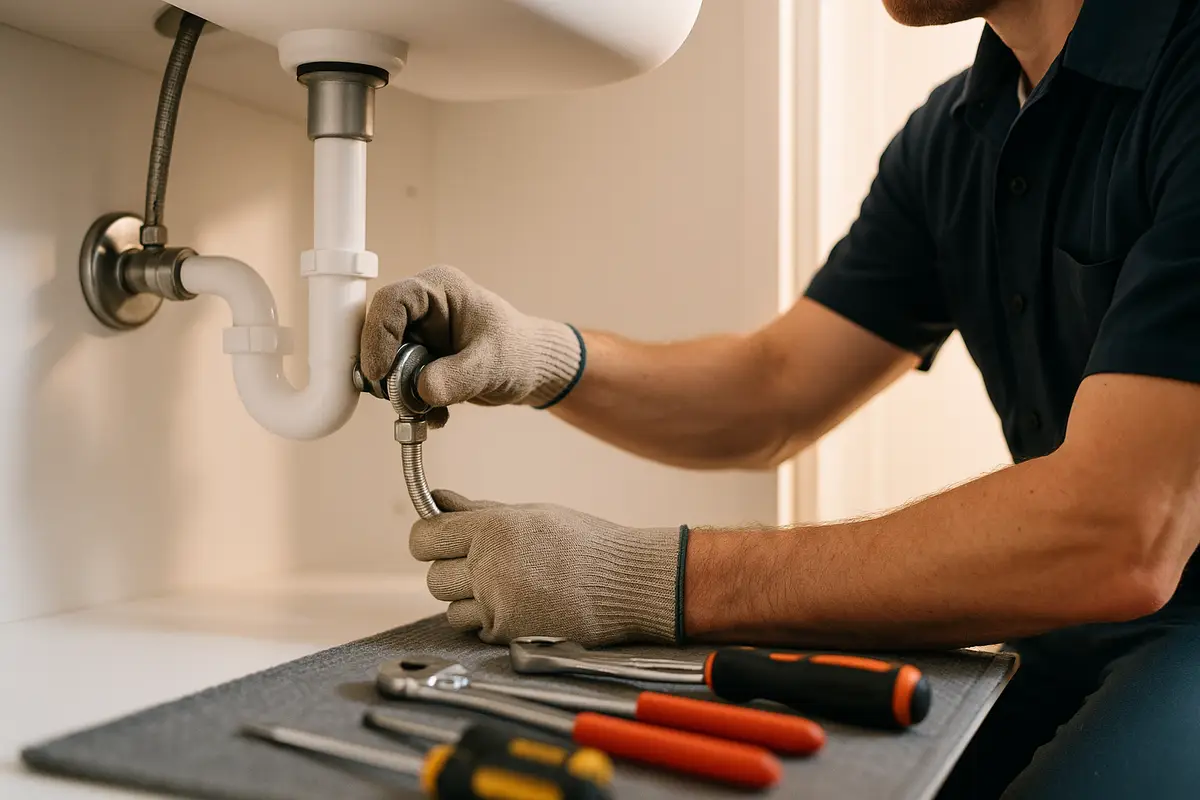
Your home’s plumbing is one of those systems you don’t think about — until something goes wrong. A slow drain, a dripping faucet, or a sudden burst pipe can quickly turn from a minor inconvenience into a major headache. The good news is that many plumbing problems can be prevented with simple, consistent maintenance.
This guide walks you through everything a homeowner needs to know to keep their pipes, drains, water heater, and fixtures in top shape year-round. Whether you’re a new homeowner or just looking to be more proactive, these practical steps will save you time, money, and stress.
Why Regular Plumbing Maintenance Matters
Think of your plumbing like your car. Skip the oil changes long enough, and eventually you’ll be stranded on the side of the road. The same logic applies to your pipes and fixtures. Routine upkeep helps you:
- Catch small leaks before they become water damage nightmares
- Extend the lifespan of water heaters, fixtures, and appliances
- Maintain strong, consistent water pressure throughout the house
- Prevent sewer backups and slow drains
- Avoid emergency repair calls that cost far more than a quick inspection
According to plumbing industry estimates, Industry estimates suggest that homeowners who perform regular maintenance often spend significantly less on repairs over time. A little attention each season goes a long way.
Inspect and Protect Your Pipes
Check for Leaks Regularly
Visible pipes under sinks, in basements, and around appliances should be inspected at least a few times a year. Look for:
- Discoloration or rust on pipe surfaces
- Moisture, dripping, or mineral deposits around joints
- Soft spots in walls or ceilings near plumbing lines
Even a tiny pinhole leak can waste thousands of gallons of water annually. If you notice moisture or discoloration, refer to our overview of hidden signs of plumbing damage in your home to understand what to look for before calling a pro.
Insulate Pipes Before Winter
Cold weather is one of the most common causes of pipe damage. When water freezes inside a pipe, it expands and can can crack even durable materials like copper or steel. Wrap exposed pipes in unheated areas — garages, crawl spaces, and exterior walls — with foam pipe insulation. It’s inexpensive and takes only a few minutes per pipe.
If temperatures drop unexpectedly, knowing what to do if your pipes freeze during cold weather can make the difference between a quick fix and a flooded basement.
Know Where Your Main Shutoff Is
Every homeowner should know exactly where the main water shutoff valve is located. In a plumbing emergency, being able to cut the water supply immediately can prevent massive water damage. Test it once a year to make sure it turns freely.
Keep Your Drains Clear and Flowing
Establish a Regular Drain Cleaning Routine
Clogged drains don’t happen overnight. They build up over weeks and months from hair, grease, soap scum, and food particles. Rather than waiting until water is pooling in your sink, build drain care into your household routine:
- Use a drain strainer in every tub and shower to catch hair and debris
- Flush kitchen drains weekly with hot water to break down grease buildup
- Pour a mixture of baking soda and white vinegar down drains monthly as a natural cleaner
- Avoid pouring cooking oils or coffee grounds down the kitchen sink
For a deeper look at how often this maintenance should happen, our guide on how often you should clean your drains breaks it down by drain type and household size.
Recognize the Warning Signs of a Blocked Drain
Some drain issues require professional attention. Watch for:
- Gurgling noises coming from drains or toilets
- Multiple fixtures draining slowly at the same time
- Foul odors rising from drains even after cleaning
- Water backing up in unexpected places
These symptoms often point to a deeper blockage in the sewer line. Our
professional plumbing repair and drain cleaning guide explains what to expect when you bring in a licensed plumber to tackle stubborn clogs.
Water Heater Maintenance: Don’t Skip This Step
Your water heater works hard every single day, and like any appliance, it needs occasional attention. Neglecting it can lead to lukewarm showers, higher energy bills, or a complete unit failure — often at the worst possible moment.
Flush the Tank Once a Year
Sediment from minerals in tap water naturally settles at the bottom of tank-style water heaters over time. This layer of buildup forces the heater to work harder, reduces efficiency, and shortens the unit’s lifespan. Flushing the tank annually removes this sediment and restores performance.
The process is straightforward: connect a hose to the drain valve, direct it outside or to a floor drain, and let it run until the water comes out clear.
Check the Anode Rod Every Two to Three Years
The anode rod is a sacrificial metal rod inside your water heater tank that prevents corrosion. When it’s depleted, the tank itself begins to rust from the inside out. Replacing a worn anode rod is a fraction of the cost of a new water heater.
Know the Signs of a Failing Unit
Your water heater may be telling you it’s struggling. Look for:
- Rust-colored or cloudy hot water
- Popping or rumbling sounds during heating cycles
- Water that never seems to get hot enough
- Visible corrosion or moisture around the base of the tank
If you’re seeing these signals, our water heater repair services page covers what a licensed technician will assess and repair to restore your hot water reliably.
Maintain Fixtures, Faucets, and Toilets
Fix Dripping Faucets Promptly
A faucet that drips once per second wastes more than 3,000 gallons of water per year. Beyond the waste, the constant moisture can cause corrosion and staining on fixtures and sinks. Most dripping faucets have a worn washer or O-ring that’s easy and inexpensive to replace.
Stop Running Toilets Before They Drain Your Wallet
A running toilet can silently waste hundreds of gallons of water per day. The culprit is usually a faulty flapper valve, a worn fill valve, or an imbalanced float. Drop a few drops of food coloring into the tank — if color appears in the bowl without flushing, you have a leak.
Our step-by-step breakdown on how to fix a toilet that keeps running walks you through the diagnosis and the fix without needing a plumber for a routine repair.
Clean Aerators and Showerheads
Mineral deposits from hard water clog the small screens in faucet aerators and showerheads, causing low pressure and uneven spray. Unscrew them every six months and soak in white vinegar for a few hours to dissolve the buildup. It’s one of the easiest ways to restore water pressure without touching any pipes.
Follow a Seasonal Plumbing Maintenance Schedule
Different times of year bring different plumbing challenges. Building a simple seasonal checklist keeps you on track:
Spring
- Inspect all outdoor spigots and hoses for winter damage
- Check sump pump operation before spring rain season
- Look for signs of foundation or basement seepage
Summer
- Monitor water usage with higher-than-usual demand from lawn irrigation
- Have your sewer line inspected if trees are near the line — roots grow aggressively in warm months
- Check washing machine hoses for cracks or bulging
Fall
- Disconnect and drain garden hoses before the first frost
- Locate and test the main shutoff valve
- Schedule a water heater flush before heavy winter demand
Winter
- Keep cabinet doors under sinks open during cold snaps to allow warm air circulation
- Drip faucets slightly on extremely cold nights to prevent freezing
- Know your pipe locations so you can act fast if something freezes
For a comprehensive breakdown of exactly what to check and when, our seasonal plumbing maintenance checklist for homeowners gives you a month-by-month roadmap.
When to Call a Licensed Plumber
DIY maintenance goes a long way, but some situations call for a professional. Don’t delay calling a licensed plumber when you notice:
- Sudden loss of water pressure throughout the house
- Signs of sewer line problems, including multiple backed-up fixtures
- Water stains on ceilings or walls that grow over time
- Any gas line concerns near plumbing equipment
- A water heater that’s more than 10–12 years old showing symptoms of failure
FKRIV Plumbing & Heating offers expert plumbing repair services and emergency plumber services for situations that can’t wait. A quick call can prevent a small issue from becoming a catastrophic one.
Frequently Asked Questions
How often should I have my plumbing inspected by a professional?
Most plumbing professionals recommend a full inspection every one to two years. If your home is older, has hard water, or you’ve had recurring issues, annual inspections are a smart investment.
What can I pour down drains to keep them clear without chemicals?
A mixture of baking soda followed by white vinegar works well as a natural drain maintenance solution. After it fizzes, flush with hot water. For kitchen drains, running hot water for 30 seconds after every use helps dissolve grease before it hardens.
How do I know if I have a water leak I can’t see?
Check your water meter before and after a two-hour period when no water is being used. If the meter reading changes, you likely have a hidden leak. Unexplained spikes in your water bill are another reliable indicator.
How long do home water heaters typically last?
Tank-style water heaters generally last 8 to 12 years with proper maintenance. Tankless models can last 20 or more years. Flushing the tank annually and replacing the anode rod as needed significantly extends the unit’s life.
Should I be concerned about tree roots near my sewer line?
Yes. Tree roots naturally seek moisture and can infiltrate sewer lines over time, causing blockages and serious damage. If you have mature trees near your home, a periodic video inspection of your sewer line can catch root intrusion early, before it leads to a costly excavation.
What’s the best way to prevent frozen pipes in winter?
Insulate exposed pipes in unheated areas, keep thermostat settings consistent even when away from home, and let faucets drip slightly during extreme cold. Open cabinet doors under sinks on exterior walls to allow warm air to reach the pipes.
Trusted Care and Support Services for Local Families
FKRIV Plumbing & Heating proudly serves homeowners and businesses throughout Bucks County and the surrounding region. Our licensed plumbers bring local knowledge, fast response times, and dependable craftsmanship to every job.
Whether you need routine maintenance, a stubborn repair, or an emergency call in the middle of the night, our team is ready to help. We proudly serve homeowners and businesses throughout Willow Grove, Yardley, PA, Levittown, and Horsham with reliable, professional plumbing services. Contact us today at (215) 874-0592 to schedule a service visit or learn more about our full range of residential and commercial plumbing solutions.