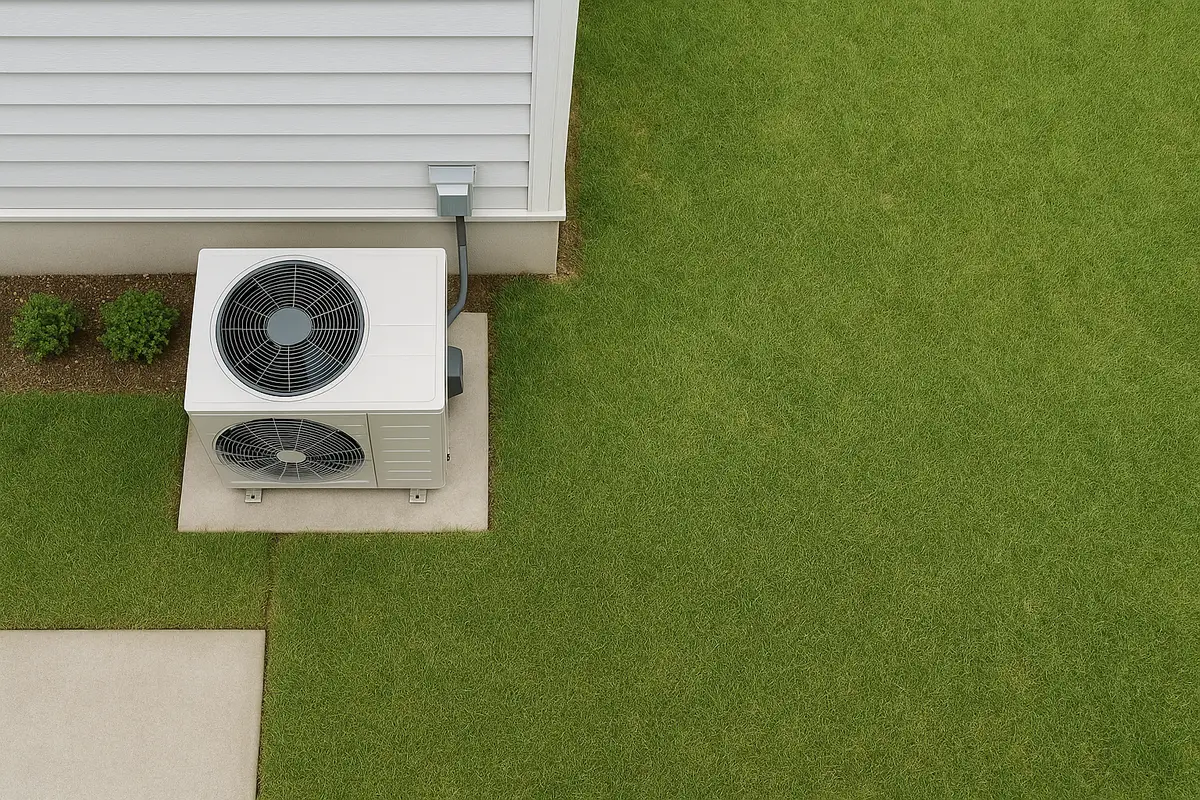
A furnace burns fuel to generate intense, reliable heat and is the stronger choice for consistently cold climates. A heat pump moves existing heat instead of creating it, and works as both a heater and air conditioner, making it the more efficient choice for moderate climates or homes that want year-round comfort from one system.
Choosing between a furnace and a heat pump is one of the most impactful decisions you can make for your home's comfort and utility bills. With energy prices fluctuating and heating technology advancing rapidly, the right answer in 2026 is not always the same for every household. Whether you're replacing an aging system or building from scratch, understanding the real differences in cost, efficiency, and long-term performance can save you thousands of dollars and years of frustration.
This guide breaks it all down in plain language so you can make the choice that fits your home, your climate, and your budget.
How Does a Furnace Work?
A furnace generates warmth by burning fuel, most commonly natural gas, though propane and oil are also common, and distributes that heat through your home via ductwork. Gas furnaces have been the backbone of American home heating for decades, and for good reason: they produce intense, reliable heat even during the coldest winters.
Key things to know about furnace performance:
- Efficiency rating: Modern high-efficiency furnaces carry AFUE (Annual Fuel Utilization Efficiency) ratings between 80% and 98%, meaning very little heat energy goes to waste.
- Fuel type: Natural gas is most common, though propane and oil furnaces remain a practical option in areas without gas service.
- Climate fit: For homeowners in regions with brutal winters, like Pennsylvania, the Midwest, or the Northeast, a gas furnace remains one of the most effective heating solutions available.
- Warning signs to watch for: Unusual noises, rising energy bills, or excess dust near vents can all signal a furnace that's struggling. Our furnace services page breaks these signs down in more detail.
How Does a Heat Pump Work?
A heat pump doesn't generate heat, it transfers it. During winter, it extracts heat energy from the outdoor air (even cold air holds some usable heat) and moves it indoors. In summer, it reverses the process, pulling heat out of your home and pushing it outside, which means it doubles as an air conditioner.
Key things to know about heat pump performance:
- Cold-weather capability: Modern heat pumps, particularly cold-climate models, can operate efficiently even when temperatures drop to 0°F or below.
- Power source: Heat pumps run entirely on electricity rather than burning fuel.
- Efficiency ratings: Performance is measured by COP (Coefficient of Performance) and HSPF (Heating Seasonal Performance Factor), both of which indicate how much heat the system moves relative to the electricity it consumes.
- Year-round value: Because a single heat pump handles both heating and cooling, it can replace the need for a separate central air conditioner.
Furnace vs. Heat Pump: Side-by-Side Comparison
Once you understand how each system works, the real decision comes down to how they compare on the factors that matter most: upfront cost, efficiency, climate performance, and lifespan.
| Factor | Furnace | Heat Pump |
|---|---|---|
| How it heats | Burns fuel (gas, propane, or oil) to generate heat | Transfers existing heat from outdoor air into your home |
| Cooling capability | Heating only, requires a separate AC unit | Heats and cools, no separate AC needed |
| Efficiency rating | AFUE: 80% to 98% | COP and HSPF ratings, often 200% to 300% efficient |
| Best climate fit | Consistently cold regions (Pennsylvania, Midwest, Northeast) | Moderate climates, though cold-climate models now perform down to 0°F |
| Power source | Natural gas, propane, or oil | Electricity |
| Typical lifespan | 15 to 20 years | 15 to 20 years, though outdoor unit sees more wear |
| Upfront installation cost | Generally lower | Generally higher, offset by cooling capability |
| Monthly operating cost | Depends on local gas prices | Depends on local electricity rates and climate |
| Environmental impact | Combustion produces emissions | No on-site combustion, lower emissions |
The right choice often comes down to your local climate and how your utility rates compare. A licensed technician can help you weigh these factors against your specific home before you commit either way.
Monthly Operating Costs
Operating costs depend heavily on your local energy prices and climate. In areas where natural gas is cheap and winters are severe, a gas furnace often wins on monthly bills. In milder climates, heat pumps, which can deliver 2 to 4 units of heat energy for every 1 unit of electricity consumed, frequently outperform furnaces on efficiency. One often-overlooked factor is how mineral buildup inside your water heater and pipes affects your overall home energy costs.
In Pennsylvania and the surrounding region, homeowners who switch to a heat pump for milder weather and supplement with a gas furnace during deep cold (a dual-fuel system) often achieve the best of both worlds. If you are evaluating your current residential plumbing setup, it is worth having a professional assess your home's ductwork capacity and insulation before making a final decision.
Long-Term Savings & Federal Incentives
Thanks to the Inflation Reduction Act, homeowners upgrading to qualifying heat pumps in 2026 may be eligible for a federal tax credit of up to $2,000, plus additional rebates through state programs. These incentives can meaningfully offset the higher upfront cost of a heat pump system.
Furnaces do not typically qualify for the same level of federal incentives, though high-efficiency models may qualify for smaller credits.
Efficiency Ratings Explained
Efficiency metrics differ between the two systems, which makes direct comparison tricky:
- Furnace AFUE: A 96% AFUE furnace uses 96 cents of every dollar of gas for heating, which is very good, but it is still capped at less than 100%.
- Heat Pump COP: A heat pump with a COP of 3.0 produces 3 units of heat for every 1 unit of electricity, effectively 300% efficient, though this assumes moderate outdoor temperatures.
The efficiency advantage of a heat pump shrinks as outdoor temperatures drop below freezing, which is why climate matters so much in this decision.
Climate Considerations: Which System Works Better Where?
Climate is arguably the most important factor in this decision. Here is a general guide:
- Mild winters (above 30°F average): Heat pumps excel here. They maintain peak efficiency and can fully replace a furnace.
- Cold winters (regularly below 20°F): A gas furnace, or a dual-fuel system pairing a heat pump with a backup gas furnace, performs more reliably.
- Mixed climates (like Pennsylvania): Dual-fuel systems are increasingly popular, offering heat pump efficiency in shoulder seasons and gas furnace reliability during deep freezes.
For homeowners in Bucks County, Montgomery County, and surrounding areas, a dual-fuel setup or a cold-climate heat pump paired with proper whole-home sealing can be an excellent investment. Seasonal preparation matters too. Our year-round home plumbing and heating maintenance guide walks through what to do each season to keep your heating system, water heater, and pipes performing at their best, whether you run a furnace or a heat pump.
Environmental Impact in 2026
As the electrical grid in the U.S. becomes greener, with more solar, wind, and hydroelectric power, heat pumps become increasingly eco-friendly. A heat pump running on a partially renewable grid already produces fewer carbon emissions than a natural gas furnace, and that gap will only widen over time.
If reducing your carbon footprint is a priority, a heat pump is the forward-looking choice, especially when paired with a solar panel system.
Maintenance, Lifespan & Reliability
Both systems require regular maintenance to run efficiently and avoid costly breakdowns:
- Gas Furnace Lifespan: 15 to 25 years with proper maintenance, including annual tune-ups and filter changes
- Heat Pump Lifespan: 10 to 20 years; the outdoor unit is exposed to year-round weather
Furnaces have fewer moving parts and tend to be simpler to diagnose and repair. Heat pumps serve double duty as heating and cooling systems, so any issue impacts year-round comfort. Regular seasonal servicing is essential for both. Property managers and homeowners who oversee multiple systems will find practical scheduling tips in our commercial plumbing and heating maintenance guide, which covers fall boiler inspections, water heater flushing, and seasonal readiness checks applicable to both residential and commercial properties.
Speaking of home system maintenance, if you have noticed slow drains or unusual water behavior alongside your HVAC concerns, it may be worth scheduling a professional drain clearing service at the same time to keep your home's infrastructure in top shape.
Which System Is Right for Your Home?
Ask yourself these questions:
- Do you live in a region with harsh winters (below 20°F for extended periods)? A gas furnace or dual-fuel system may be your best bet.
- Are you primarily concerned about energy efficiency and environmental impact? A cold-climate heat pump is worth the investment.
- Do you need both heating and cooling? A heat pump's dual functionality can save you money on a separate AC unit.
- Is upfront cost a major concern? A gas furnace typically has lower installation costs, though incentives can narrow the gap for heat pumps.
For homes in the area that already have existing plumbing or drainage concerns, it can make sense to bundle your home improvement projects. Whether you need a basement water management solution or a full HVAC assessment, addressing multiple systems at once often reduces overall costs and disruption.
If water pressure issues have been affecting your home alongside heating system changes, our guide on diagnosing and fixing sudden pressure drops can help you determine whether the issue is related to your plumbing, your water heater, or your overall system load.
Homeowners considering a system upgrade should also explore our flexible financing options to make the investment more manageable.
Proudly Serving Homeowners Across the Region
FKRIV Plumbing & Heating Inc. provides expert heating assessments, system consultations, and related plumbing services to homeowners throughout the greater Philadelphia region. Whether you are in Yardley, Willow Grove, Doylestown, Fairless Hills, Horsham, or Newtown, our experienced team is ready to help you make the best decision for your home and budget. From heating system consultations to full-service plumbing solutions and around-the-clock emergency plumbing, we are your trusted local partner for whole-home comfort.
Contact us today at (215) 874-0592 or visit fkriv.com to schedule a consultation.
Frequently Asked Questions (People Also Ask)
Is a heat pump cheaper to run than a gas furnace?
It depends on your local gas and electricity prices. In areas with low electricity rates and mild winters, heat pumps typically cost less to operate. In colder regions with cheap natural gas, a furnace can be more economical on monthly bills. In 2026, many homeowners opt for dual-fuel systems to balance efficiency with cold-weather reliability.
Can a heat pump replace a furnace entirely?
Yes. Modern cold-climate heat pumps can heat a home effectively even at temperatures well below freezing. However, in regions with extended periods below 10 to 15°F, a gas furnace backup is often recommended to ensure comfort and efficiency during extreme cold snaps.
How long does a heat pump last compared to a furnace?
Gas furnaces typically last 15 to 25 years with proper maintenance. Heat pumps generally have a lifespan of 10 to 20 years. Because heat pumps operate year-round for both heating and cooling, they may require more frequent servicing than a furnace used only in winter.
What is a dual-fuel heat pump system?
A dual-fuel system pairs an electric heat pump with a gas furnace. The heat pump handles heating during milder weather when it is most efficient, and the gas furnace kicks in automatically during extreme cold when the heat pump's efficiency drops. This setup maximizes efficiency year-round while maintaining reliability in deep winter.
Are there federal tax credits for heat pumps in 2026?
Yes. Under the Inflation Reduction Act, qualifying heat pump installations may be eligible for a federal tax credit of up to $2,000 in 2026. Additional state and utility rebates may also be available. Gas furnaces generally do not qualify for the same level of incentives, though high-efficiency models may qualify for smaller credits.
What size furnace or heat pump do I need for my home?
Sizing depends on your home's square footage, insulation quality, ceiling height, window area, and climate zone. An HVAC professional should perform a Manual J load calculation to determine the correct system size. Oversized or undersized systems reduce efficiency, increase wear, and lead to comfort problems.