You open your water bill and the total is far above normal. A high water bill is stressful, but it does not always mean a big plumbing problem.
The cause could be a hidden leak, a running toilet, a sprinkler system, more people at home, hotter weather, or a billing or meter issue.
The best approach is to check your usage first, then look for leaks.
Why Is My Water Bill Suddenly So High?
A suddenly high water bill usually comes from a leak or from extra water use.
- Hidden plumbing leaks: A cracked pipe can lose water day and night.
- Running toilets: A worn part lets water slip into the bowl all day.
- Leaking faucets and fixtures: Steady drips waste gallons over time.
- Higher household use: Guests or extra laundry raise water consumption.
- Lawn watering and seasonal use: Sprinklers and pools use more water in summer.
- Appliances: A leaking washing machine or dishwasher hose wastes water quietly.
- Water heater or water line leaks: These often stay out of sight.
- Meter or billing issues: An estimated reading or rate increase can raise the total.
Check Your Water Bill Before Looking for a Leak
Your bill shows whether you used more water or just paid more for it. Compare these items:
- Current vs. previous usage: Gallons or cubic feet used, compared with last month.
- Same month last year: This shows normal seasonal changes.
- Billing days: A longer period means more water used.
- Meter reading: Is it actual or estimated?
- Water and sewer charges: Sewer fees often follow water use.
- Rate or service charges: Utilities sometimes raise rates or add fees.
If gallons or cubic feet jumped, you are using more water or losing it to a leak. If usage is similar but the bill is higher, the cause is likely pricing. Check the rates and fees with your water provider.
Common Causes of a High Water Bill
A Running or Leaking Toilet
Check toilets first. A silent leak can run for days. Common causes are a worn flapper, a faulty fill valve, a water level set too high, or water flowing into the overflow tube.
Try a dye test: add food coloring to the tank without flushing. If color reaches the bowl in 15 minutes, the tank is leaking. This guide on how to fix a toilet tank leak can help.
Dripping Faucets and Leaking Fixtures
A small drip never stops, so it adds up. Check bathroom and kitchen faucets, showers, and outdoor spigots. Look for loose or worn connections too.
Hidden Plumbing Leaks
Some leaks hide behind walls, under floors, beneath a slab, or underground. You may never see a puddle. Watch for these hidden leak signs:
- Water use you cannot explain
- Damp spots, stains, or peeling paint
- Musty smells or warm spots on the floor
- Hissing or running sounds when taps are off
- Soggy areas in the yard
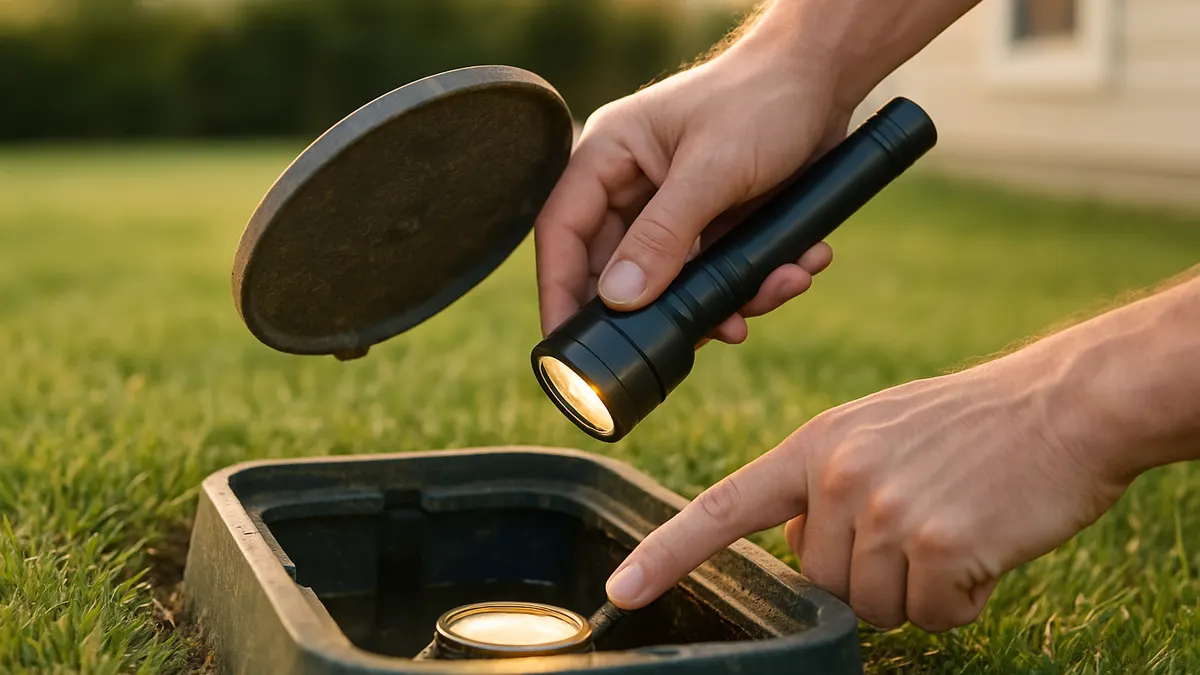
How to Check Your Water Meter for a Leak
- Turn off all faucets and appliances, including the dishwasher and washing machine.
- Make sure no toilet is running. Do not flush.
- Find your water meter and write down the reading, or take a photo.
- Wait 15 to 20 minutes without using water. An overnight check is even better.
- Check the meter again.
If the numbers changed or the dial moved, water is going somewhere. Even small movement can point to a leak. No movement is a good sign, but not proof, since slow leaks can slip through. Unusual meter behavior deserves a closer look.
Don't Forget Outdoor Water Use
Outdoor use is often the cause. Look at:
- Lawn watering, especially extra days or longer cycles
- Sprinkler systems and irrigation timers running too long
- Garden hoses and outdoor faucets that leak or stay on
- Pools and hot tubs that need frequent refilling
- Leaking irrigation valves or underground lines, often shown by soggy patches
Hot weather alone can raise your bill. A stuck valve or broken sprinkler head can waste even more.
What If You Cannot Find a Leak?
Start with the basics: compare usage, run the meter test, and check outdoor use, toilets, and fixtures. If your utility changed rates, or the reading looks wrong, call your water provider.
If unexplained water loss continues, call a licensed plumber. Hidden leaks often need special tools, like listening devices and thermal cameras. Professional leak detection can find the source with less guesswork.
When Should You Call a Plumber?
Call a plumber if:
- Water use stays unusually high
- The meter moves when no water is running
- You hear running water in walls or floors
- You see damp or stained areas
- You suspect a slab or underground leak
- A toilet or fixture still leaks after basic fixes
- Water is actively leaking or causing damage
An inspection can find leaks you cannot see.
How to Prevent Another High Water Bill
- Check toilets and fix dripping faucets early
- Read your meter once in a while
- Inspect outdoor spigots and appliance hoses
- Review irrigation schedules each season
- Watch for unexplained changes in monthly usage
Still Seeing a High Water Bill?
If you have checked your usage and still cannot explain the increase, a professional plumbing inspection can help. Expert plumbing system repair can find leaks and other problems before they get more expensive.
FKRIV Plumbing also serves Doylestown, Newtown, Horsham, Bristol, and Bensalem.
Frequently Asked Questions About High Water Bills
Why is my water bill suddenly high when my water usage has not changed?
A hidden leak, a meter problem, or a rate increase can raise your bill even when your habits stay the same. Check whether gallons used went up. If not, review the rates and fees with your provider.
How can I tell if a leak is causing my high water bill?
Run the water meter test. If the meter moves while every fixture is off, you likely have a leak. Other clues include damp spots, musty smells, water stains, and the sound of running water. A sudden jump in usage is another warning.
Can a running toilet really cause a high water bill?
Yes. A toilet with a bad flapper can leak water into the bowl all day and night. Over a billing period, that steady loss can add up to a lot of wasted water and a noticeably higher bill.
Why is my water bill high when I cannot find a leak?
Hidden leaks, outdoor watering, seasonal use, and appliance use are common reasons. A billing or rate change can also raise the total. Compare usage month to month, run the meter test, and call a plumber if the cause stays unclear.
When should I call a plumber about a high water bill?
Call when your usage stays high, the meter moves with everything off, or you hear water in the walls. Also call for damp or stained areas, a suspected slab leak, or a leak you cannot fix.