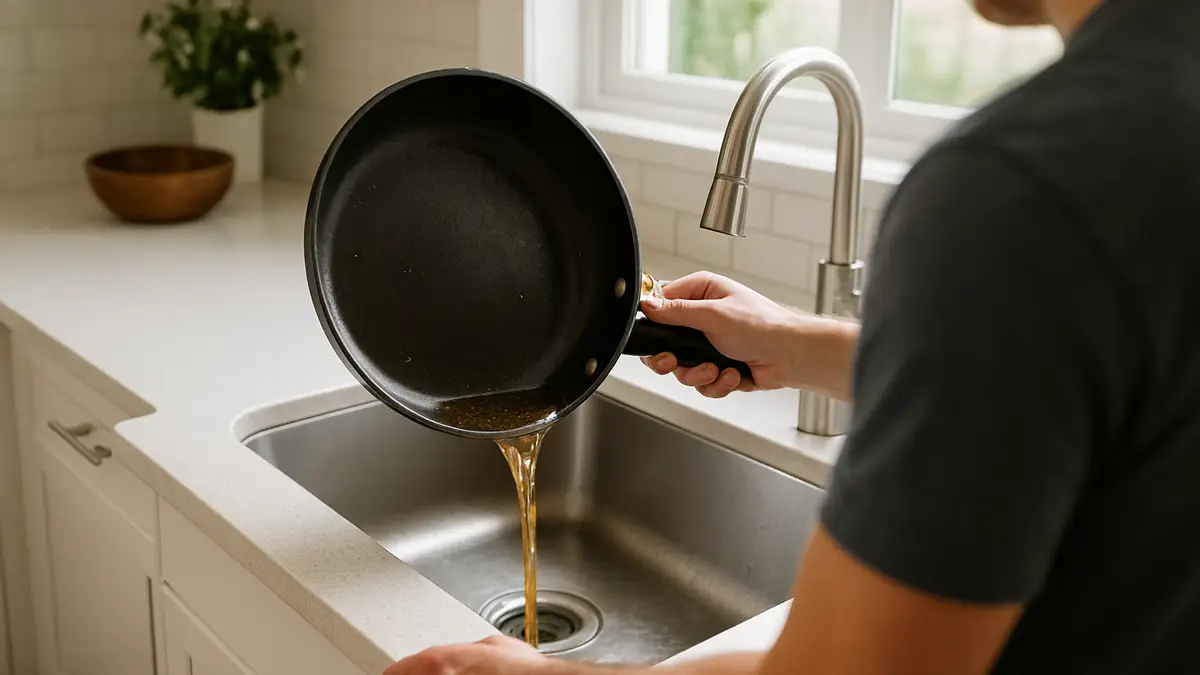
Most home plumbing damage does not come from a single disaster. It builds up slowly, one bad habit at a time. Pouring grease down the sink, flushing wipes, relying on chemical drain cleaners, and ignoring small leaks are among the most common reasons homeowners end up with clogged pipes, corroded fixtures, and expensive repair bills. Understanding which everyday habits cause the most harm is the first step toward protecting your plumbing system for years to come.
What Counts as Plumbing Damage in a Home?
Plumbing damage covers more than a burst pipe. It includes slow-forming problems such as corrosion inside metal pipes, mineral and grease buildup that narrows water flow, cracked seals around fixtures, and root intrusion in underground lines. Many of these issues start small and stay invisible for months, which is exactly why everyday habits matter so much. A single poor habit rarely causes a flood, but repeated every week for years, it wears down materials that were never designed to handle that kind of stress. Pipes, seals, and fixtures are engineered with a certain lifespan in mind, and habits that add extra strain — heat, pressure, chemical exposure, or physical blockages — shorten that lifespan considerably, sometimes cutting decades off a system's expected performance.
Kitchen Habits That Wear Down Your Pipes
Pouring Grease and Cooking Oil Down the Sink
Bacon fat, butter, and cooking oil may look liquid when hot, but they solidify as soon as they cool inside your pipes. Over time this creates a waxy coating that traps food particles, soap residue, and hair, eventually blocking the line completely.
- Pour cooled grease into a sealable container and throw it in the trash
- Wipe greasy pans with a paper towel before washing
- Run hot water briefly after washing dishes to help clear residue
Cleaning a kitchen sink drain regularly is one of the simplest ways to catch buildup before it becomes a full blockage, as explained in cleaning a kitchen sink drain regularly.
Overloading the Garbage Disposal
Garbage disposals are built for small food scraps, not fibrous vegetables, coffee grounds, or bones. Forcing large amounts of waste through the unit strains the motor and pushes debris further into the drainpipe, where it settles and hardens.
Bathroom Habits That Lead to Blockages
Flushing Wipes and Non-Degradable Items
Even wipes labeled flushable do not break down the way toilet paper does. They tangle with hair and soap scum, and combined with sediment buildup inside drain pipes, they can form blockages that take a professional to remove. Cotton swabs, dental floss, and paper towels belong in the trash, not the toilet.
Skipping Bathroom Fixture Maintenance
Bathroom sinks and tubs collect hair, soap film, and mineral residue faster than most homeowners realize. When installing a bathroom sink correctly is done with proper trap depth and slope, it drains more efficiently and resists buildup longer. Homeowners planning a remodel often benefit from reviewing smart bathroom plumbing layout planning before fixtures are placed, since poor layout choices can make future clogs harder to clear.
Habits That Damage Pipes Throughout the House
Using Chemical Drain Cleaners Too Often
Chemical cleaners offer a fast fix, but repeated use eats away at the interior lining of pipes, especially older metal or PVC lines. The heat generated by the chemical reaction can warp plastic pipes and weaken joints. Professional drain cleaning services use mechanical methods such as augers or hydro-jetting, which clear blockages without the corrosive side effects.
Ignoring Small, Slow Leaks
A slow drip under a sink or a faint hiss near a toilet valve rarely feels urgent, so it gets ignored. Left unaddressed, a small leak can rot cabinetry, encourage mold growth, and eventually damage the subfloor. Homeowners interested in hidden water leak detection tips often find that catching a leak early costs a fraction of what a delayed repair would.
Skipping Seasonal Maintenance Checks
Plumbing systems benefit from routine attention, not just emergency calls. A seasonal plumbing maintenance checklist for property owners typically includes flushing the water heater, inspecting exposed pipes before winter, and checking sump pump function ahead of heavy rain. Homeowners who follow a consistent maintenance rhythm catch small issues before they turn into costly repairs.
Attempting DIY Repairs Without the Right Knowledge
Online tutorials make plumbing repairs look simple, but incorrect pipe sizing, over-tightened fittings, or mismatched materials can create leaks that are worse than the original problem. Basic tasks like replacing a faucet washer are usually safe for a confident homeowner, but anything involving supply lines or venting is worth handing to a licensed plumber.
Letting Sewer Odors Go Unchecked
A persistent sewer odor inside the house is never just a smell to mask with air freshener. It usually signals a dry P-trap, a cracked vent pipe, or a blockage in the main line. Addressing the cause early prevents sewer gas from affecting indoor air quality and stops the underlying blockage from growing worse.
Step by Step: How to Spot Early Signs of Plumbing Damage
- Check under every sink for dampness, warped wood, or a faint musty smell at least once a month.
- Watch your water bill for unexplained increases from one month to the next.
- Listen for running water sounds when every faucet in the house is off.
- Look at your water meter, then avoid using water for thirty minutes and check it again for movement.
- Note any change in water pressure, since a sudden drop can point to a hidden leak or blockage.
- Pay attention to slow drains in more than one fixture at once, which often signals a problem in the main line rather than a single clogged trap.
Catching these signals early usually means the difference between a simple repair and a project that involves opening up walls or flooring.
How Small Habits Turn Into Big Plumbing Problems
The table below shows how everyday habits connect to the plumbing problems they eventually cause.
| Habit | Common Result | Simple Fix |
| Pouring grease down the drain | Waxy buildup and slow drains | Trash grease, run hot water after dishes |
| Flushing wipes or paper towels | Tangled clogs in main lines | Keep a trash bin next to the toilet |
| Overusing chemical cleaners | Corroded or weakened pipes | Mechanical cleaning or a licensed plumber |
| Ignoring small leaks | Mold, rot, higher water bills | Fix leaks within days, not months |
| Skipping seasonal checks | Frozen or burst pipes in winter | Annual inspection before extreme weather |
Preventive Habits That Protect Your Plumbing
- Run cold water when using the garbage disposal to help waste move through
- Install drain strainers in kitchen and bathroom sinks to catch hair and debris
- Test your water pressure occasionally, since consistently high pressure strains pipes and appliances
- Know where your main shutoff valve is located in case of a sudden leak
- Schedule a professional inspection once a year, even without an obvious problem
Homeowners who are curious about tankless water heater maintenance guides or best water softeners for hard water homes often find that these upgrades pair naturally with better daily habits, extending the life of the whole system.
Reduce Plumbing Repairs Through Regular Maintenance
Protecting your plumbing does not require major renovations, just consistent daily habits and attention to small warning signs. When a clog, leak, or odor does not resolve on its own, reaching out to a licensed team like FKRIV Plumbing & Heating Inc for an inspection can prevent a minor issue from becoming a major repair.
Frequently Asked Questions
What is the most common cause of plumbing damage at home?
The most common cause is a buildup of grease, hair, and soap residue inside drainpipes, which narrows the passage over time and eventually leads to clogs or backups.
How often should household drains be cleaned?
Kitchen and bathroom drains benefit from a light cleaning every one to two months, while a deeper professional cleaning once a year helps prevent buildup that basic cleaning misses.
Why do chemical drain cleaners damage pipes?
Chemical drain cleaners work through a heat-generating reaction that can warp plastic pipes and corrode metal ones, especially with repeated use over months or years.
What causes a sewer smell inside a house?
A sewer smell is usually caused by a dry P-trap, a blocked vent pipe, or a partial clog in the main sewer line that allows gas to escape into living spaces.
How can I tell if I have a hidden water leak?
Signs include a higher than usual water bill, damp spots on walls or ceilings, a musty smell, or a water meter that keeps moving when no water is in use.
Is it safe to flush wipes labeled as flushable?
No, most wipes labeled flushable do not break down quickly enough and can still contribute to clogs, especially in older plumbing systems.
How often should a home plumbing system be inspected?
An annual inspection is generally enough for most homes, though older homes or properties with a history of plumbing issues may benefit from checks twice a year.
What is the best way to prevent kitchen sink clogs?
Avoid pouring grease or oil down the drain, use a sink strainer to catch food particles, and run hot water briefly after washing greasy dishes.