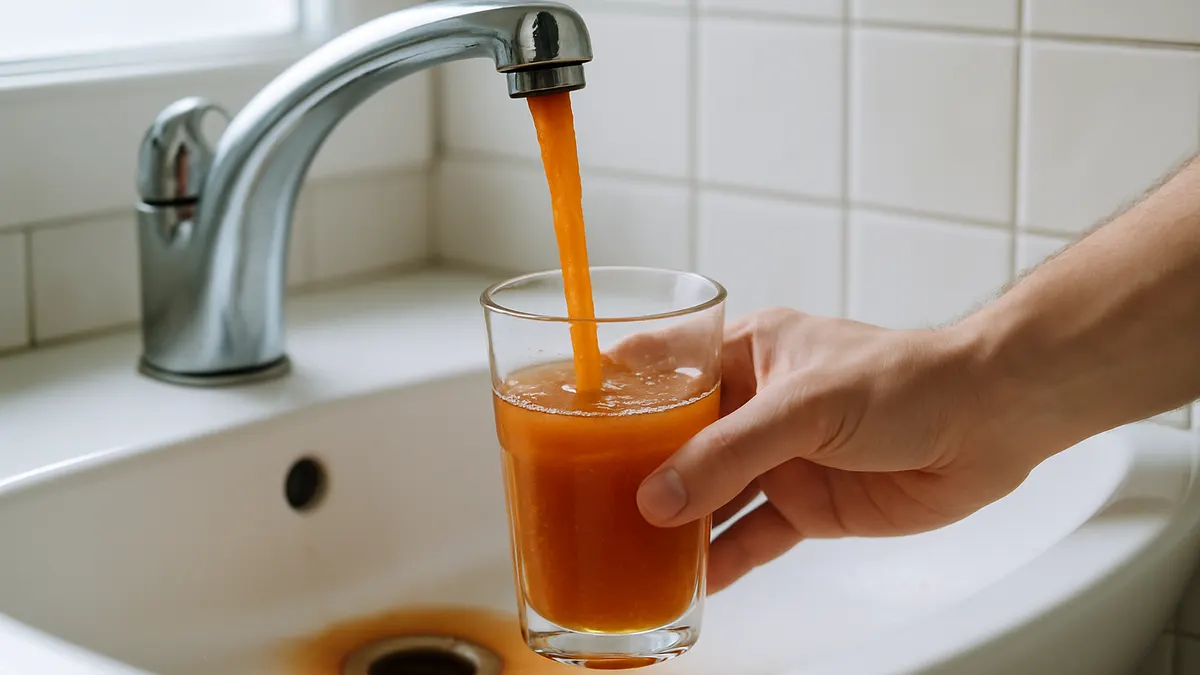
Pipes rust or corrode when the metal inside them reacts with oxygen, dissolved minerals, or acidic water over time. It shows up most often in homes with galvanized steel or cast iron plumbing that's more than 20 to 25 years old. The clearest warning signs are rusty or discolored water, a metallic taste, reddish-brown flaking around exposed fittings, and pinhole leaks. Left alone, corrosion thins pipe walls until they leak or burst, so a professional inspection is the safest next step once any of these symptoms show up.
Many homes across Bucks and Montgomery County were built decades ago, back when galvanized steel was the standard choice for water lines. That means a lot of local plumbing systems are now well past the age where corrosion becomes a real concern. If your water has taken on a rusty tint, your fixtures are staining, or you've noticed a small stain forming on a wall or ceiling near a supply line, corrosion is one of the most likely explanations.
Corrosion is also one of the plumbing issues that's easiest to misdiagnose. A rusty tap can look like a municipal water problem, a sudden noise can seem like a loose fitting, and a small stain can get written off as an old water spot. Understanding what's actually happening inside the pipe makes it much easier to tell a cosmetic issue apart from a plumbing problem that's actively getting worse. This guide walks through what causes pipes to rust or corrode, how to spot it early, which materials hold up best, and what to do once you find it in your own home.
What Does Pipe Corrosion Actually Mean?
Rust and corrosion aren't quite the same thing, though the terms get used interchangeably. Rust is a specific type of corrosion that happens to iron and steel when the metal reacts with oxygen and moisture, forming iron oxide. Corrosion is the broader term, covering the gradual breakdown of any metal, including copper and brass, through a chemical reaction with its environment.
Inside a plumbing system, that environment is water, and water is rarely chemically neutral. It carries dissolved oxygen, minerals, and sometimes acids, all of which can slowly eat away at the interior walls of a pipe. The reaction usually starts on the inside surface, invisible from outside the pipe, which is why corrosion is often much further along than a homeowner expects by the time it becomes visible at a fixture. A professional plumbing repair visit typically starts with figuring out which type of corrosion is at work, since the fix for hard water scale looks nothing like the fix for a pinhole leak in a copper line.
What Causes Pipes to Rust or Corrode?
Several conditions drive corrosion, and most homes deal with more than one at once.
Oxidation in Galvanized Steel and Cast Iron Pipes
Galvanized steel pipes have a zinc coating meant to protect the steel underneath, but that coating wears away with decades of water flow. Once it's gone, the exposed steel rusts from the inside out, often for years before any sign appears at the tap. Cast iron behaves similarly, developing rough, flaking interior walls that gradually narrow the pipe and restrict flow.
Hard Water and Mineral Scale
Water high in calcium and magnesium, commonly called hard water, leaves mineral deposits on interior pipe walls. That scale buildup traps moisture against the metal and creates uneven surfaces where corrosion takes hold faster than it would on a smooth pipe.
Low pH (Acidic) Water
Water with a pH below 7 is acidic and will dissolve metal more aggressively, including copper. Homes on well water or in areas with naturally acidic groundwater tend to see this more, and it's a common reason copper pipes develop pinhole leaks well before their expected lifespan.
High Water Velocity and Erosion
When water moves through a pipe too fast, often because of undersized piping or a fitting that creates turbulence, it can physically wear away the protective oxide layer that naturally forms on copper and other metals. Plumbers call this erosion corrosion, and it tends to show up first at elbows and joints.
Bacteria-Driven Corrosion
Certain bacteria, including iron and sulfate bacteria, form biofilms on pipe interiors that accelerate corrosion through a process known as microbiologically influenced corrosion. It's more common in well water systems and can cause noticeable pitting in a relatively short time.
Mixing Dissimilar Metals
When two different metals connect directly, such as a copper fitting threaded straight onto a galvanized steel pipe, an electrochemical reaction called galvanic corrosion can occur at the connection point. A dielectric union is usually needed to separate the metals and stop the reaction.
Simple Age and Wear
Sometimes corrosion is just the natural result of time. Every metal pipe has a realistic service life, and once a system passes that point, the interior surface has typically absorbed enough chemical wear that failure becomes a matter of when, not if.
Which Pipe Materials Corrode Fastest?
Not every material ages the same way. This table breaks down how common plumbing pipe types typically hold up.
| Pipe Material | Corrosion Risk | Typical Lifespan | Common Warning Sign |
|---|---|---|---|
| Galvanized Steel | High | 40-50 years | Rusty or brown water, reduced pressure |
| Cast Iron | High | 75-100 years | Rough interior, narrowing flow, sediment |
| Copper | Low to Moderate | 50+ years | Blue-green stains, pinhole leaks |
| Brass Fittings | Moderate | 40-70 years | Pink or reddish staining (dezincification) |
| PEX / PVC | Very Low | 50+ years | Not prone to metal corrosion |
Copper resists corrosion better than steel or iron, but it isn't immune, especially when water chemistry is aggressive. PEX and PVC don't rust because they contain no metal, which is why many repiping projects now shift toward those materials in sections that are easy to access. The right choice usually depends on the home's water chemistry, the section of the system being replaced, and local code requirements, so it's worth discussing options with a plumber rather than assuming one material fits every situation.
Warning Signs Your Pipes Are Corroding
Watch for the following signs, especially if your home's plumbing hasn't been inspected in several years:
- Rusty, brown, or yellow-tinted water, particularly right after the water has sat unused for a few hours
- Blue-green stains around drains or fixtures, which point to corroding copper
- A metallic taste or smell coming from the tap
- Reduced water pressure, caused by scale or rust narrowing the interior of the pipe
- Visible flaking, dimpling, or reddish patches on exposed pipes in the basement or crawl space
- Banging, rattling, or clanging noises when water is running
- A sudden, unexplained jump in the water bill
- Small, persistent leaks, including the kind of pinhole leak that shows up in aging copper supply lines
That last one is worth flagging on its own, since it's one of the most common corrosion complaints in older homes. If you're dealing with a slow drip from a supply line, our walkthrough on repairing a pinhole leak in copper piping covers what a short-term fix looks like and when it's time to call in a professional instead.
Corrosion Isn't Limited to Visible Pipes
Rust and mineral buildup don't stop at the pipes you can see. A water heater tank corrodes from the inside once its sacrificial anode rod wears out, which is why sediment and rust in hot water are often the first sign something needs attention from a water heater repair specialist.
Basement plumbing is exposed to the same forces, and a corroded discharge line or check valve can quietly reduce a sump pump's effectiveness right when heavy rain puts the most demand on it. Regular testing paired with professional sump pump installation service keeps that system reliable before a storm exposes a failure.
Underground, sewer lines made of older cast iron or clay are just as vulnerable, and corrosion combined with grease buildup or root intrusion is a frequent culprit behind a persistent odor. If that smell has shown up in your home, our guide to sewer odor causes and fixes explains what's usually behind it.
Step-by-Step: What to Do If You Suspect Pipe Corrosion
- Observe and document. Note where the discoloration, staining, or leak appears, and whether it's tied to hot water, cold water, or both.
- Test the water. A basic home test kit checks pH and hardness, and a lab test can confirm lead or heavy metal content if you're concerned about older lines.
- Shut off the water if there's an active leak. Locate the nearest shutoff valve to limit water damage while you arrange a repair.
- Schedule a professional inspection. A licensed plumber can pinpoint hidden corrosion using the same methods described in our overview of how leaks get detected behind walls and under slabs, often without opening up finished walls.
- Compare repair versus replacement. A single corroded section can sometimes be patched or relined, but widespread corrosion across a system usually points toward a full or partial repipe.
- Address the root cause. If hard or acidic water is driving the corrosion, treating the water itself prevents the new pipes from facing the same fate as the old ones.
- Keep records going forward. Save the inspection report and any water test results, since they make future service calls faster and help track whether a treatment solution is actually working.
How to Prevent Pipe Corrosion
- Test your water's pH and hardness every year or two, especially on a well system
- Install a water softener or pH-neutralizing filter if testing shows hard or acidic water
- Use dielectric unions anywhere copper and galvanized steel pipes meet
- Keep water pressure below 80 psi to reduce erosion corrosion at joints and elbows
- Replace a water heater's anode rod on schedule to protect the tank
- Book a seasonal plumbing checkup, since small corrosion issues are far cheaper to catch early than to repair after a pipe fails
A yearly walkthrough of your home's plumbing, similar to what we outline in our seasonal plumbing upkeep guide, makes it much easier to catch these issues before they turn into an emergency.
When to Call a Licensed Plumber
DIY fixes like naval jelly or a pipe clamp can buy time for a small, isolated spot of surface rust, but corrosion inside a wall, under a slab, or spread across a whole system needs a professional. A licensed plumbing team can run a camera inspection, test your water chemistry, and recommend whether a targeted repair or a broader repiping plan makes more sense for your home.
Getting Corroded Pipes Fixed the Right Way
Corrosion rarely announces itself all at once. It builds quietly for years before a stain, a leak, or a change in water quality finally makes it obvious, and by that point, the damage usually extends further than what's visible. Catching the early signs and addressing the water chemistry or pipe material behind them is what separates a routine repair from a much larger repiping project down the road.
Homeowners across Bristol, Levittown, Yardley, Willow Grove, Warminster, and Newtown have relied on FKRIV Plumbing & Heating Inc. to diagnose corrosion issues correctly the first time and recommend a fix that matches the actual condition of their plumbing, not just the symptom at the tap.
Frequently Asked Questions
What does it mean when my tap water looks rusty or discolored?
Rusty or brown water usually means corrosion has developed inside older galvanized steel or cast iron pipes, and small flakes of rust are breaking loose into the water supply.
Is it safe to drink water from corroded pipes?
Occasional discoloration from disturbed sediment is usually not a health hazard, but persistent rusty water or any metallic taste should be tested, since prolonged exposure to certain corroded materials can introduce lead or other metals into drinking water.
How long do galvanized steel pipes last before they corrode?
Most galvanized steel pipes start showing significant corrosion between 40 and 50 years, though hard or acidic water can shorten that timeline considerably.
Can corroded pipes be repaired, or do they need full replacement?
It depends on how widespread the damage is. A single corroded section can often be patched, relined, or replaced in place, while corrosion spread across multiple lines usually calls for a broader repiping project.
Does a water softener help prevent pipe corrosion?
Yes. Softening hard water reduces the mineral scale that traps moisture against pipe walls, which slows the rate of corrosion in both metal pipes and water-using appliances.
What is the difference between rust and corrosion?
Rust refers specifically to iron oxide forming on iron or steel, while corrosion is the broader term for any metal breaking down through a chemical reaction with its environment, including copper and brass.
Can high water pressure make pipes corrode faster?
Yes. Excess pressure increases water velocity through pipes, which can strip away the protective oxide layer on metal surfaces and accelerate erosion corrosion, particularly at elbows and fittings.
Why do I hear banging or rattling noises in pipes that might be corroding?
Corrosion and scale buildup narrow the interior of a pipe and roughen its surface, which changes water flow and can create the vibration and noise commonly known as water hammer.