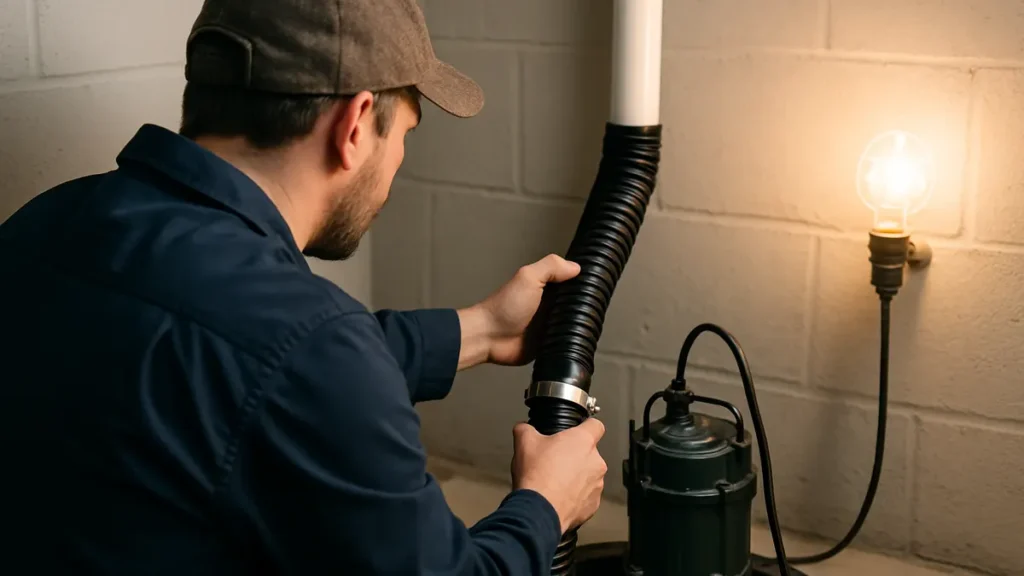
Sump Pump Installation in Hatboro, PA

Sump Pump Installation in Hatboro, PA

A sump pump helps protect your basement by collecting groundwater and moving it away from your home’s foundation before it causes flooding or water damage. Sump pump installation in Hatboro, PA is a practical option for homeowners dealing with basement water, an unreliable existing pump, or a home without a sump system. FKRIV Plumbing & Heating Inc. provides professional sump pump installation and replacement based on your home’s drainage needs, basement setup, and existing system. If you’re concerned about water entering your basement, our team can evaluate your setup and recommend the right solution. 

That might mean a basement that’s taken on water before, a pump that cycles more than it should, or a household that wants extra protection before the next big storm. If any of that sounds familiar, it’s worth having your setup evaluated — reach out to schedule an assessment and talk through what a new or upgraded system would involve for your home.

Why a Reliable Sump Pump Matters for Your Hatboro Home

Water naturally moves toward the path of least resistance, and around a house, that often means settling near the foundation after rain or snowmelt. Over time, that groundwater can work its way into a basement through small cracks, joints, or gaps. A sump pump is designed to intercept that water before it spreads. It collects in a basin, known as the sump pit, and once the water reaches a certain level, the pump activates and sends it out of the home through a discharge line.

 A working sump pump helps reduce the risk of basement flooding, keeps unwanted groundwater from accumulating indoors, and protects finished spaces and belongings from prolonged dampness — an automatic layer of defense that doesn’t rely on someone remembering to act. That said, it manages the water that reaches the sump system specifically — it isn’t a fix for every source of a basement leak, such as gutters, grading, or window wells.

When Should You Consider Sump Pump Installation?

There are a few common situations where Hatboro homeowners start looking into a new system. Some houses were simply never built with one, which can become a concern once a basement is finished or used for storage. Others have experienced water intrusion firsthand and want a proactive solution going forward. If your home already has a pump, watch for the unit running constantly, failing to turn on when it should, making unusual noises, or showing visible corrosion — we’ve covered these signs your pump may be failing in more detail elsewhere. Standing water that lingers around the basin instead of draining is another indicator something’s off. It’s worth distinguishing a brand-new installation, where a basin and system are added for the first time, from a replacement, where an existing setup is swapped out. Either way, a professional evaluation is the best starting point.

What Does Professional Sump Pump Installation Include?

A quality installation involves more than dropping a pump into a hole. Here’s how the process typically comes together:

  1. Assessing the Basement and Drainage Needs

The plumber looks at the existing sump area (if there is one), how water behaves in the space, the basin’s condition, the available discharge route, and what the job will realistically require.

  1. Choosing the Appropriate Pump

Pump capacity has to match the home’s water conditions and discharge requirements — weighing pump capacity and horsepower against expected water flow, vertical lift, and sump basin size. Because every property differs, the right combination depends on your specific setup rather than a one-size-fits-all number.

  1. Preparing or Installing the Sump Basin

A new installation often means creating or properly preparing a sump pit — the container where groundwater collects before the pump moves it out.

  1. Installing the Pump and Float Switch

The float switch works alongside the pump, rising and falling with the water level so the pump activates automatically and shuts off once the water clears.

  1. Connecting the Discharge Line

Collected water has to be routed away from the foundation through a properly placed discharge pipe. Poor routing can let water flow back toward the house instead of away from it.

  1. Testing the System

Once everything is in place, the system gets tested to confirm the pump activates correctly, moves water as expected, and shuts off properly.

Why Professional Installation Is Worth It

It’s tempting to think of a sump pump as a simple, self-contained unit, but performance comes down to the details of the installation. Correct pump sizing, a properly prepared basin, accurate float-switch positioning, thoughtful check valve placement, sound discharge line routing, and safe electrical connections all play a role in how the system performs when it’s actually needed. A pump that’s undersized, poorly positioned, or connected to a discharge line that doesn’t drain effectively may not keep up once water levels rise — even if it looked fine sitting in the basin. Testing the finished system matters too, since it confirms everything works together before you’re relying on it during a storm.

Sump Pump Installation in Hatboro, PA From FKRIV Plumbing

Ready to protect your basement from the next storm? FKRIV Plumbing & Heating Inc. got its start in Hatboro back in 1999, when severe flooding hit the area and Frank stepped in to help neighbors get their water heaters running again. That same hands-on, neighborly approach has stuck around ever since.

The company is veteran owned and managed, holds a BBB A+ rating, and Frank is a fourth-generation master plumber who is licensed, registered, and insured. Whether you need a new sump pump, a replacement, or want to talk through your options, we bring real experience to every Hatboro basement. And for anything else plumbing-related, our plumbing services cover the full range of residential work too.

Call FKRIV Plumbing & Heating Inc. at (215) 874-0592 to schedule sump pump installation in Hatboro, PA.

Frequently Asked Questions About Sump Pump Installation

Common signs include a basement with a history of water intrusion, visible groundwater accumulation, or a drainage system already designed to funnel water toward a sump basin. If your home doesn't have a pump and this sounds familiar, an evaluation can clarify whether installation makes sense.

It depends on your situation. A home with an existing basin generally takes less time than one needing excavation, new discharge routing, or additional plumbing work. Your plumber can give a better estimate after seeing the space.

There's no universal answer — sizing depends on expected water volume, the basin's condition, discharge distance, vertical lift, and other property-specific details. A proper assessment is the only reliable way to determine the right fit.

A backup system can be worth considering, especially for homes depending heavily on a single primary pump or that experience power interruptions during storms. It's a reasonable way to keep water moving out even if the main power source goes down.

Homeowners should periodically check that their pump activates and cycles properly. If it behaves oddly, doesn't turn on, or struggles to keep up with incoming water, it's worth having a professional take a look.

If it's safe, check for obvious power issues, like a tripped breaker or unplugged cord. If the pump still isn't operating or water is rising, contact a professional promptly rather than attempting electrical repairs yourself.