Every homeowner has been there — a slow drain that you ignore for a few weeks, a leaky faucet that gets a quick fix, or a DIY repair that seems simple enough until it isn't. Plumbing problems are among the most common — and most costly — issues that homeowners face. The frustrating part? Most of them are entirely preventable.
Whether you're a first-time homeowner or you've lived in your house for decades, it's easy to fall into habits that put unnecessary stress on your pipes, fixtures, and water heater. Below, we walk through the ten most common plumbing mistakes people make — and, more importantly, how you can avoid them.
Mistake 1: Ignoring Small Leaks
A small drip from a faucet or a little water under the sink may not seem serious, but ignoring it can lead to bigger problems. Even a slow leak can waste water and cause damage to cabinets, flooring, or nearby walls.
Leaks can also happen in places you cannot easily see. If you notice unexplained moisture or an increase in your water bill, it is worth checking for a hidden leak. You can learn more about how plumbers find hidden water leaks to understand what may be happening behind the scenes.
What to do instead: Check around faucets, sinks, toilets, and visible pipes regularly. Fix leaks early before they turn into more expensive repairs.
Mistake 2: Using Chemical Drain Cleaners Too Often
When a drain starts moving slowly, reaching for a chemical drain cleaner may seem like an easy solution. These products may provide temporary relief, but repeated use can be hard on some plumbing systems.
A recurring clog may also have a deeper cause that a chemical cleaner cannot solve. Understanding common causes of clogged drains can help you figure out why the problem keeps coming back.
What to do instead: Try a plunger or drain snake for a simple clog. If the drain continues to slow down or back up, consider professional drain cleaning to find and clear the blockage.
Mistake 3: Over Tightening Plumbing Connections
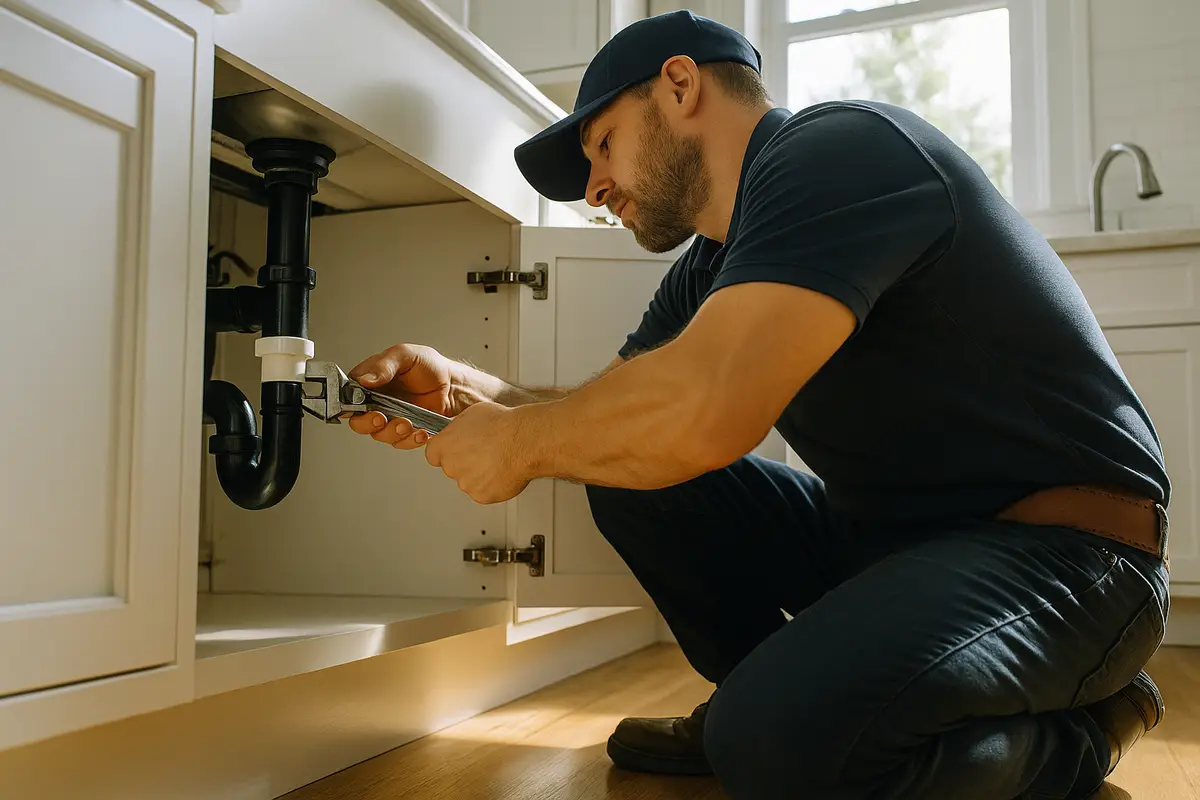
It is easy to think that tightening a leaking connection more will stop the leak. However, too much pressure can damage fittings, threads, or supply lines and may make the problem worse.
A connection that continues to leak may need a new washer, fitting, or another repair instead of additional tightening. If you are unsure what is causing the leak, a professional plumbing repair can help identify the problem.
What to do instead: Tighten connections carefully without forcing them. If the leak continues, have the connection inspected rather than applying more pressure.
Mistake 4: Flushing the Wrong Items
Toilet paper is designed to break down in water, but many other household items are not. Wipes, paper towels, dental floss, cotton swabs, and hygiene products can collect inside the drain and eventually cause a blockage.
A toilet that flushes slowly or keeps running may also have a mechanical problem rather than a simple clog. Learning how to fix a toilet that keeps running can help you understand the difference.
What to do instead: Only flush toilet paper and waste. Keep a small trash can in the bathroom for items that should not go down the toilet.
Mistake 5: Neglecting the Water Heater
Many homeowners do not think about their water heater until they suddenly lose hot water. Over time, sediment can collect inside the tank and affect its performance.
Regular maintenance can help the system work more efficiently and may help prevent avoidable problems. If you have hard water, understanding how mineral buildup affects your water heater can also help you recognize why maintenance matters.
What to do instead: Follow a regular maintenance schedule and have the system inspected when needed. If the unit is older or having repeated problems, talk with a plumber about your replacement options.
Mistake 6: Not Knowing Where the Main Water Shutoff Is
A plumbing emergency can happen without warning. A burst pipe or broken supply line can release a large amount of water in a short time. If you do not know where your main shutoff valve is, valuable time can be lost.
Knowing what to do during a plumbing emergency can help you respond quickly when water is entering your home.
What to do instead: Locate your main water shutoff valve before an emergency happens. Make sure it works properly and that everyone in your household knows where it is.
Mistake 7: Pouring Grease Down the Kitchen Drain
Grease and cooking oil may be liquid when they are hot, but they can harden as they cool inside your pipes. Over time, grease can collect along the drain walls and trap food particles, creating a stubborn blockage.
If your kitchen sink is already draining slowly, learning about common kitchen sink clog causes can help you understand what may be happening inside the drain.
What to do instead: Let grease cool, then place it in the trash instead of pouring it down the drain. Avoid putting large amounts of food waste into the sink as well.
Mistake 8: Skipping Pipe Insulation Before Winter
Freezing temperatures can cause serious plumbing problems. Water expands when it freezes, which can put pressure on pipes and cause them to crack or burst.
Pipes in garages, crawl spaces, exterior walls, and other cold areas may be especially vulnerable during freezing weather.
What to do instead: Insulate exposed pipes before temperatures drop. If you are concerned about freezing pipes, knowing what to do when pipes freeze during cold weather can help you respond before the problem causes major damage.
Mistake 9: Taking On Plumbing Repairs That Need a Professional
Some basic plumbing tasks can be handled by homeowners, but more complicated repairs may require proper tools, training, and experience. Problems involving water heaters, main water lines, sewer lines, or major plumbing connections can become more serious when handled incorrectly.
If you are unsure whether a plumbing problem needs professional attention, knowing the warning signs that you need plumbing help can help you make the right decision.
What to do instead: Know your limits and avoid taking unnecessary risks. For larger or unfamiliar plumbing problems, have a qualified plumber inspect the system and recommend the appropriate repair.
Mistake 10: Ignoring Drain Odors, Gurgling, and Slow Drains
Strange drain odors, gurgling sounds, and slow drainage should not always be treated as minor annoyances. These signs can indicate a problem with a trap, vent, drain line, or sewer system.
When several fixtures are affected at the same time, the problem may be further down the drainage system. Persistent odors can also have different causes, so finding the source is important.
If your home has a persistent sewer smell, understanding common causes of sewer gas odors can help you identify what may be causing it.
What to do instead: Pay attention to changes in how your drains work. If slow drainage, odors, or gurgling continue or affect multiple fixtures, have the plumbing system checked.
Final Thoughts: Small Habits Make a Big Difference
Most plumbing problems don't happen overnight. They develop slowly — through years of small habits, deferred maintenance, and occasional shortcuts. The good news is that awareness is half the battle. By understanding what not to do, you can avoid the most common — and most costly — mistakes homeowners make.
If you want to go further, a seasonal plumbing maintenance checklist is a great way to stay ahead of issues throughout the year. A little proactive care goes a long way toward keeping your home's plumbing running quietly in the background — exactly where it belongs.
FKRIV Plumbing & Heating Inc. serves homeowners across Bucks and Montgomery Counties with honest, licensed plumbing service. Whether you need routine maintenance, a second opinion, or emergency help, our team is ready. Contact us at (215) 874-0592 or request a free quote online.
Service Areas: FKRIV Plumbing & Heating Inc. proudly serves homeowners across Yardley, Willow Grove, Doylestown, Fairless Hills, Horsham, Newtown and surrounding communities throughout Bucks and Montgomery Counties.
Frequently Asked Questions
What is the most common plumbing mistake homeowners make?
Ignoring small leaks is one of the most widespread mistakes. A slow drip might seem harmless, but it can waste thousands of gallons annually and often signals a developing problem — like a corroded fitting or failing supply line — that only gets worse over time.
Can I use chemical drain cleaners regularly?
It's not recommended. Frequent use of chemical drain cleaners can corrode your pipes over time, especially older PVC or galvanized lines. Safer and more effective alternatives include a drain snake, a plunger, or professional drain cleaning for persistent clogs.
How often should I flush my water heater?
Most plumbers recommend flushing your water heater annually to remove sediment buildup, which reduces efficiency and accelerates wear. If your unit is 10 or more years old or producing discolored water, it may be approaching the end of its useful life.
What does it mean when multiple drains are slow at once?
When more than one drain is slow or backed up simultaneously, it typically indicates a problem with the main sewer line rather than individual fixture clogs. This could be caused by buildup, a blockage, or root intrusion. A licensed plumber can diagnose the issue quickly with a camera inspection.
Is it safe to DIY plumbing repairs at home?
Basic tasks like replacing a showerhead, fixing a running toilet, or unclogging a single drain are generally safe for homeowners to attempt. However, anything involving main supply lines, water heaters, or the main sewer drain should be handled by a licensed plumber to ensure safety, code compliance, and lasting results.
What should I do if I notice a sewer smell in my house?
A sewer odor indoors usually points to a dried-out P-trap, a blocked vent pipe, or early sewer line trouble. Run water in rarely used drains to replenish P-traps. If the smell lingers or is accompanied by slow drains or gurgling sounds, contact a plumber — it may indicate a more serious underlying issue.