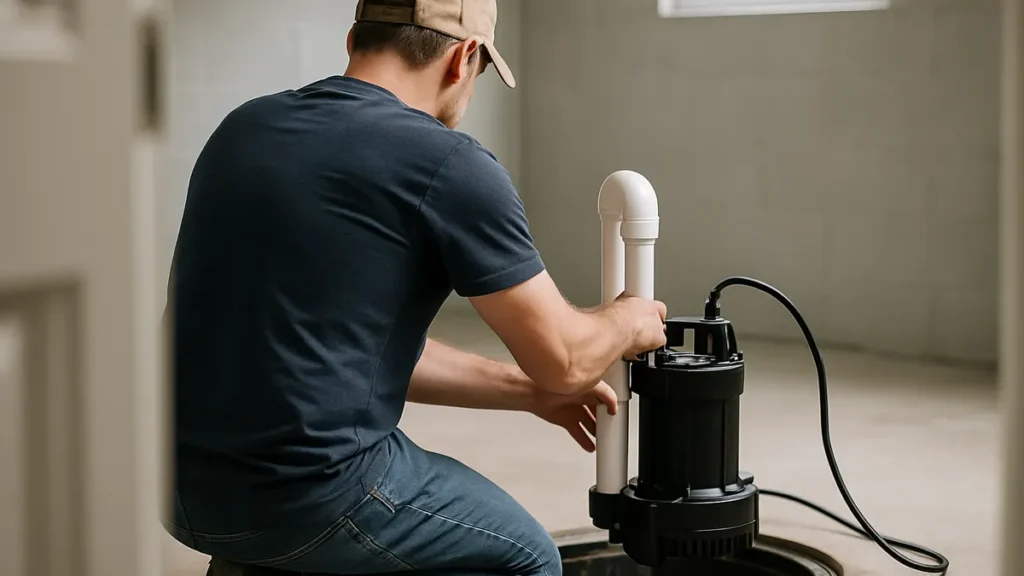
Sump Pump Installation in Holland, PA

Sump Pump Installation in Holland, PA

Basements are supposed to be dry, usable space — not somewhere you check nervously after every storm. When groundwater or heavy rain builds up around a foundation, it can find its way inside through cracks or window wells. A sump pump catches that water and moves it away before it becomes a problem.

Many homes in Holland, PA have basements or below-grade storage areas that depend on a working sump pump, especially during heavy rain or spring thaw. If that pump is missing, undersized, or worn out, water can collect faster than it should. Sump pump installation in Holland takes more than dropping a pump into a hole — it takes the right pit, pump, and discharge line.

FKRIV Plumbing & Heating Inc. installs sump pumps for Holland homeowners who want a dependable way to keep their basement dry. If you’re dealing with a damp basement, an aging pump, or a home that’s never had one, reach out for an assessment of your home’s needs.

Reliable Sump Pump Installation for Holland Homes

A sump pump only works as well as the system around it — installing one correctly goes beyond setting a motor inside a pit. It starts with looking at how water behaves around the home and whether the basement has had moisture issues before. The sump pit’s condition and placement matter next; one that’s shallow, cracked, or poorly positioned won’t let a pump do its job well.

Pump sizing is easy to get wrong without experience — too small and it runs constantly and wears out faster; too large and it cycles on and off too often. Matching capacity to the water the home handles keeps it running efficiently.

The discharge line, which carries water outside, needs to be routed so it doesn’t resurface near the foundation. A check valve stops water from flowing back into the pit once the pump shuts off, so it isn’t fighting itself on the next cycle. Electrical work matters too, since the pump needs a safe, dedicated power source, and once connected, the system gets tested to confirm it works properly.


When Does Your Holland Home Need a New Sump Pump?

A few situations are worth paying attention to:

  • The basement collects water regularly, especially after rain.
  • There’s no sump pump despite ongoing groundwater concerns.
  • The current pump is old and unreliable.
  • The pump runs almost constantly in normal weather.
  • It makes grinding or straining noises, or seems to struggle.
  • Water remains on the floor even while it’s running.

If any of these sound familiar, our page on signs your sump pump may need attention covers this in more detail.

Choosing the Right Sump Pump for Your Home

There isn’t one “best” pump — it depends on your basement, pit, and typical water flow.

Submersible Sump Pumps

Sit inside the pit, fully enclosed, and designed to run while submerged. Tend to be quieter and take up less visible space.

Pedestal Sump Pumps

Motor sits above the pit rather than inside it, making it easier to reach for servicing and suiting certain pit shapes.

Backup Sump Pumps

Work alongside your primary pump, stepping in if it fails or can’t keep up, and may keep running during a power outage depending on the system.

The right setup depends on your pit, water flow, and discharge arrangement — an assessment is the real way to know what fits.

Why Consider a Backup Sump Pump?

Power outages often happen during the same storms when a sump pump works hardest, and mechanical failure can happen without much warning, even on a pump that’s been reliable for years. A backup pump adds a second layer of protection so the basement isn’t left exposed if the primary pump goes down — especially relevant if the space is finished or used for storage.

See our guide on the benefits of a backup sump pump for more.

What to Expect During Sump Pump Installation

  1. Inspect the basement and existing sump area.
  2. Evaluate the pit and water-management needs.
  3. Recommend an appropriately sized pump.
  4. Install the pump, discharge piping, and related components.
  5. Check the discharge route and connections.
  6. Test the system to confirm proper operation.

Getting each step right is what lets the pump perform when water levels rise, instead of just being installed and hoped for.

Why Choose FKRIV for Sump Pump Installation in Holland?

FKRIV Plumbing & Heating Inc. evaluates what a Holland basement actually needs before recommending a system, so the pump fits your situation rather than a one-size-fits-all install. Here’s what you can expect:

  • Personalized Assessment – We look at your basement’s layout, water flow, and pit condition before recommending anything, so the solution actually fits your home.
  • Quality Workmanship – Every installation is done with attention to detail, from the pit and pump to the discharge line and electrical connections.
  • Transparent Pricing – You’ll know what the job involves and what it costs before any work begins, with no surprises along the way.
  • Efficient, Clean Work – We complete the installation efficiently and leave your basement clean once the job is done.

Protect Your Basement With the Right Sump Pump

A basement that takes on water can quickly turn into costly repairs and ongoing moisture problems. A properly installed sump pump gives that water somewhere to go besides your floor, and professional installation means the system is tested and ready before the next storm.

For other plumbing needs, our licensed plumbing company cover the full range of residential work for Holland homeowners.

Need sump pump installation in Holland, PA? Contact FKRIV Plumbing & Heating Inc. to schedule a professional assessment.

FKRIV Plumbing & Heating Inc. also provides sump pump installation for homeowners in nearby communities, including Bensalem, Doylestown and Jamison.

Frequently Asked Questions

If your basement has collected water before, sits below grade, or is near groundwater or drainage concerns, a sump pump can help manage that risk. A look at your basement's moisture history is the best way to know for sure.

It depends on whether your home already has a sump pit and discharge system in place or those need to be added. We can give a clearer estimate once we've seen your setup.

It depends on the home. Submersible pumps run quieter and fit tighter spaces, while pedestal pumps offer easier servicing access. The right pick comes down to pit size, water flow, and layout.

Worth considering if your basement relies heavily on your primary pump, you've had power outages during storms, or a flooded basement would mean losing stored belongings or finished living space.

There's no strict schedule for every home, but testing periodically, especially before the rainy season, is a good habit. Unusual noises, constant running, or standing water are signs to have it inspected sooner.

Yes. If your current pump is unreliable, undersized, damaged, or nearing the end of its useful life, we can assess it and recommend a suitable replacement.