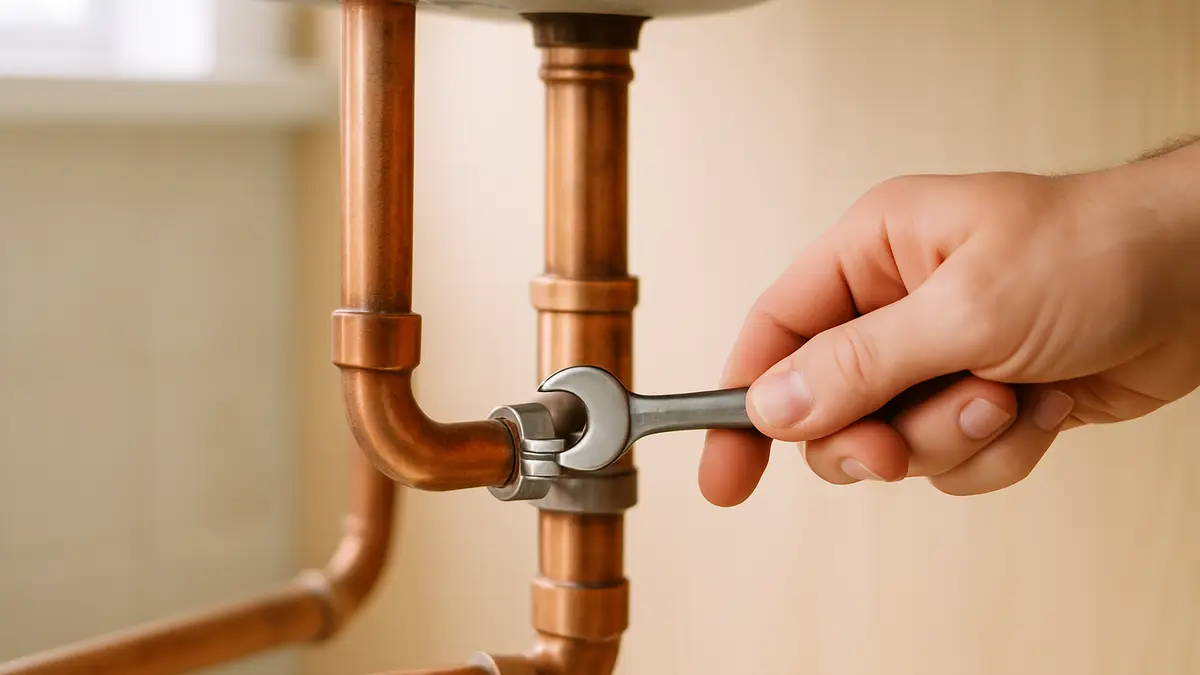
If your home was built more than 40 years ago, there's a good chance its plumbing system is nearing or past the end of its expected lifespan. Common warning signs include rusty or discolored water, low water pressure, banging pipes, frequent leaks, and musty odors near walls or floors. Catching these signs early can prevent burst pipes, water damage, and costly emergency repairs.
What Counts as "Aging Plumbing"?
Aging plumbing refers to pipes, fixtures, and connections that have surpassed — or are approaching — their expected service life. The materials depend heavily on when a house was built. Homes built before the 1960s often relied on galvanized steel pipes, while homes from the 1970s and 1980s sometimes used polybutylene piping, a material now known for cracking and failing. Copper piping, common from the mid-1900s through today, generally holds up much longer but is not immune to corrosion.
Understanding what's running through your walls is the first step toward recognizing trouble before it becomes an emergency. A qualified plumbing technician familiar with vintage plumbing materials can usually identify pipe type and condition during a routine inspection.
Why Plumbing Systems Wear Out Over Time
Every plumbing system faces a slow, steady battle against several forces:
- Corrosion – Minerals and oxygen in water gradually eat away at metal pipe walls, especially galvanized steel and older copper lines.
- Mineral buildup – Hard water leaves calcium and lime deposits that narrow pipe interiors, reducing flow and stressing joints.
- Ground movement – Shifting soil, tree roots, and freeze-thaw cycles stress underground and foundation-level pipes.
- Outdated materials – Products once considered standard, like polybutylene and lead-based solders, are now recognized as failure-prone or unsafe.
- General wear – Fittings, washers, and seals degrade with age regardless of material, leading to slow leaks at joints and valves.
Water Quality Warning Signs
Discolored or Rusty Water
Water that runs brown, yellow, or orange — particularly right after you turn on a faucet that hasn't been used in a while — usually points to corroding galvanized steel pipes. Rust flakes off the interior pipe walls and mixes with your water supply. Brief discoloration after work on the water main can be normal, but a persistent problem is not.
Metallic Taste, Odor, or Cloudy Water
A metallic taste or smell, or water that looks cloudy even after settling, can signal that pipe interiors are breaking down. This is more than a cosmetic issue; it may indicate that small metal particles are entering your drinking water.
Water Pressure and Flow Issues
Sudden or Gradual Drops in Water Pressure
Old pipes narrow internally as mineral scale builds up along their walls. If showers that used to feel strong now trickle, or multiple fixtures lose pressure when one is in use, corrosion and buildup inside aging pipes are common culprits. Whole-house pressure loss is different from a single clogged faucet aerator and usually points to a bigger issue.
Banging, Knocking, or Rattling Pipes
That loud bang you hear when a washing machine shuts off or a faucet closes quickly — known as water hammer — happens when water suddenly stops moving through a pipe. It can occur in newer systems too, but it's especially common in older homes where pipe straps have loosened or air chambers have failed over decades.
Visible Signs of Pipe Deterioration
Corrosion, Flaking, or Green Stains on Exposed Pipe
Take a look at any exposed pipes in your basement, crawl space, or under sinks. Flaking, white or greenish crust, or an orange-brown, crumbly texture are all visual signs that a pipe is corroding from the outside in. This kind of surface corrosion is often an early indicator of small, hard-to-spot pinhole leaks in copper pipes, which tend to grow into larger failures if left unaddressed.
Frequent, Recurring Leaks
One leak is a repair. Three or four leaks in different spots over a year or two is a pattern, and it typically means the entire section of pipe, not just the fitting that failed, has reached the end of its usable life. Homeowners who keep patching individual leaks in aging systems often end up paying more over time than they would for a planned repiping project.
Structural and Hidden Warning Signs
Water Stains, Mold, or Musty Smells
Yellow or brown ceiling stains, peeling paint near baseboards, or a persistent musty smell in a particular room can all point to a slow leak hidden behind walls or under flooring. These signs are easy to dismiss individually, but a technician trained in professional leak detection methods can pinpoint the exact source without tearing into drywall unnecessarily.
Foundation Cracks, Soft Spots, or Unusually Green Grass Outside
Outside the house, warning signs look different. A patch of grass that's greener and lusher than the rest of the yard, soggy or sunken areas near the foundation, or new hairline cracks in the slab can all indicate the kind of underground pipe damage that develops slowly beneath a home before surfacing as a bigger problem.
Fixture and Appliance Clues
Aging Water Heater Performance
Your water heater is part of the same aging system as the rest of your pipes, and its symptoms often overlap. Rumbling noises, inconsistent hot water temperature, or rusty water coming specifically from hot-water taps can point to sediment buildup or an aging tank nearing failure. Since water heater repair issues frequently accompany broader pipe corrosion in homes of a similar age, it's worth having both evaluated together rather than treating them as separate problems.
Slow Drains and Frequent Clogs Across Multiple Fixtures
A single slow drain is usually a localized clog. But when several drains throughout the house slow down around the same time, it often points to aging, corroded, or partially collapsed drain lines rather than isolated blockages. Staying on top of basic upkeep, like the routine steps covered in this guide to cleaning a kitchen sink drain, helps you catch smaller clogs early, though recurring, house-wide slowdowns deserve a professional camera inspection.
Furnace and Heating System Strain
While not part of the water supply system, an aging furnace often shares a birthday with your home's original plumbing, and the two frequently show wear at the same time. Uneven heating, rising energy bills, or a furnace that cycles on and off more than it used to can indicate that your entire mechanical system, plumbing included, is due for a broader evaluation. A furnace inspection alongside a plumbing checkup gives you a fuller picture of what an older home needs going forward.
How Long Do Different Pipe Materials Typically Last?
| Pipe Material | Common Era Installed | Typical Lifespan |
|---|---|---|
| Galvanized steel | Pre-1960s | 40–50 years |
| Cast iron (drain lines) | Pre-1970s | 75–100 years |
| Polybutylene | 1978–1995 | 10–15 years (early failure common) |
| Copper | 1950s–present | 50–70 years |
| PEX | 1990s–present | 40–50 years |
These numbers are general guidelines, not guarantees. Water chemistry, installation quality, and usage patterns all influence how long a specific system lasts.
What to Do If You Notice These Warning Signs
- Document what you're seeing. Note dates, locations, and details like water color or noise timing. Patterns matter more than a single incident.
- Check accessible pipes. Look under sinks, in the basement, and in crawl spaces for visible corrosion or moisture.
- Monitor your water bill. An unexplained increase often signals a hidden leak, even before visible damage appears.
- Schedule a professional inspection. A camera inspection or pressure test can reveal problems that aren't visible from outside the pipe.
- Get a repair-versus-replace estimate. For homes with widespread galvanized or polybutylene piping, a partial or full repiping project is often more cost-effective long term than repeated patch repairs.
Preventive Maintenance Tips for Older Home Plumbing
- Have your water pressure tested annually; anything above 80 psi accelerates wear on pipes and fixtures.
- Install a whole-house water filtration or softening system if you have hard water, since mineral buildup is a leading cause of premature pipe failure.
- Insulate exposed pipes in unheated basements, garages, and crawl spaces to reduce freeze-related stress.
- Replace supply lines to washing machines, dishwashers, and toilets every 5–10 years, even if they look fine.
- Schedule a whole-home plumbing inspection every one to two years once your home passes the 30-year mark.
Homeowners researching this topic often also look for a complete guide to repiping an older home and how to test your home's water pressure yourself — worthwhile topics as you plan long-term upkeep.
Protect Your Home from Plumbing Problems
Aging plumbing doesn't fail all at once — it tells you first. Discolored water, pressure changes, banging pipes, and musty smells are your home's way of signaling that decades-old materials are reaching their limits. Addressing these signs early, rather than waiting for a burst pipe, protects both your property and your budget.
If you're noticing any of these warning signs, don't wait for a small issue to become a major repair. FKRIV Plumbing & Heating Inc has the experience to inspect aging plumbing systems, diagnose the real cause, and recommend the right long-term solution for your home.
Frequently Asked Questions
How do I know if my house has old plumbing?
Check your home's age and renovation history first. Homes built before 1960 often have galvanized steel, while those built between 1978 and 1995 may have polybutylene. Visible pipe material, water discoloration, and pressure changes are the fastest ways to confirm what you're dealing with.
What is the average lifespan of plumbing pipes in a house?
Most residential plumbing lasts between 40 and 70 years depending on material. Copper and PEX generally perform best long term, while galvanized steel and polybutylene tend to fail earlier and more suddenly.
Why does my old house have low water pressure?
Low pressure in an older home is usually caused by mineral scale narrowing the interior of aging pipes, though it can also stem from a hidden leak, a failing pressure regulator, or a partially closed main shutoff valve.
What does rust-colored water mean?
Rust-colored water almost always indicates corrosion inside galvanized steel pipes or, less commonly, sediment buildup in an aging water heater tank. It's worth having the water tested if the discoloration persists.
How much does it cost to repipe an older home?
Repiping costs vary based on home size, pipe material, and accessibility, ranging from a few thousand dollars for a partial repipe to a much larger investment for a full-house replacement. A licensed plumber can provide an accurate quote after an in-person assessment.
Who should I call if I suspect my pipes are failing?
A licensed, experienced residential plumber is the right call for any suspected pipe failure. Professionals can pressure-test the system, run camera inspections, and recommend whether targeted repairs or full repiping makes more sense for your home.
What are the signs I need to replace my water heater along with my pipes?
If your water heater is over 10–12 years old and you're also noticing pipe corrosion elsewhere in the home, it's efficient to address both at once, since sediment and mineral issues in one system often mirror what's happening in the other.
Why do older homes have more plumbing emergencies?
Older homes accumulate decades of wear across pipe materials, fittings, and connections that were never designed to last indefinitely. Without periodic inspections, small issues like pinhole leaks or loosened joints often go unnoticed until they become disruptive failures.