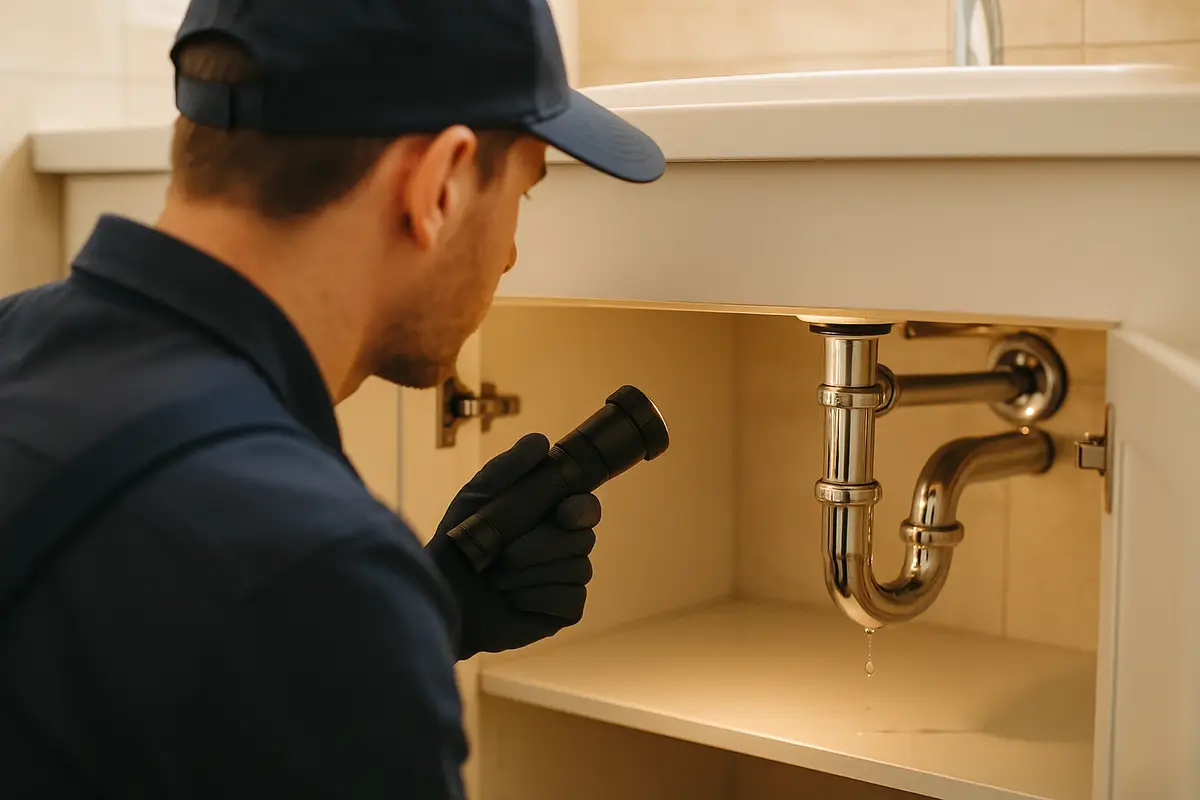
Plumbing problems have a sneaky way of starting small and spiraling fast. A slow drain today can become a flooded basement tomorrow. A tiny drip under the sink can quietly rot your cabinetry over weeks. The challenge is knowing when you can tackle something yourself — and when it's time to put down the wrench and call a licensed professional.
At FKRIV Plumbing & Heating Inc., we've seen firsthand how quickly minor issues escalate when they go unaddressed. That's why we put together this guide: to help homeowners recognize the warning signs that demand expert attention. For a broader picture of how to keep your home's plumbing in top shape year-round, our seasonal plumbing maintenance checklist is also a great starting point.
Why Timing Matters in Plumbing
Most plumbing systems are designed to be out of sight and out of mind — until something goes wrong. The problem is that water damage compounds quickly. What starts as a hairline crack or a loose fitting can result in mold growth, structural damage, and repair bills that are ten times higher than they would have been with early intervention.
Knowing when to call a plumber isn't about being overly cautious. It's about being smart. If you want to understand the full scope of what professional help looks like in your home, our guide on how professional plumbing repair and drain cleaning works breaks it down clearly. Some situations absolutely require a professional hand, and waiting on them can put your home — and your family — at risk.
12 Signs It's Time to Call a Plumber
1. No Water or Severely Low Water Pressure
Waking up to no running water — or a trickle where there should be a stream — is a red flag. This can indicate a main line break, significant blockage, or a problem with your pressure regulator. If you've been dealing with weak flow for a while, our article on how to improve water pressure in your home walks through common causes. But if the drop is sudden or severe, a licensed plumber should diagnose the issue before further damage occurs.
2. Multiple Drains Are Clogged at the Same Time
One clogged drain is usually just a nuisance. But when your kitchen sink, bathtub, and toilet all seem sluggish at once, that points to a problem in the main sewer line — not a surface-level clog. This is especially true if flushing a toilet causes water to back up in the shower. A professional drain clearing service with the right equipment can clear sewer line blockages that household plungers and chemical treatments simply can't reach.
3. You Smell Sewage Inside Your Home
A persistent sewage or rotten-egg smell in your home is never something to brush off. It could mean a broken sewer vent pipe, a dried-out P-trap, or — in worse cases — a cracked sewer line leaking gas or waste into your living space.
4. Discolored or Rusty Water Coming From Your Taps
If your water runs brown, yellow, or rust-colored — even briefly — it may signal corroded pipes or sediment buildup in your water heater. Discolored water isn't just unpleasant; it can be unsafe for drinking and bathing.
5. Unexplained Increase in Your Water Bill
A sudden spike in your water bill with no change in usage habits is one of the clearest signs of a hidden leak. Many leaks occur behind walls, under slabs, or beneath your yard — completely invisible to the eye. A professional can use advanced detection methods to track down the source.
6. Water Heater Is Making Unusual Noises or Not Producing Hot Water
Banging, rumbling, or popping sounds from your water heater are typically caused by sediment buildup on the heating element. If your hot water is inconsistent, runs out too quickly, or the tank shows signs of rust or moisture around the base, it's time for a professional inspection. Explore our water heater repair services or learn about water heater installation options if a full replacement is needed.
7. Gurgling Sounds From Toilets or Drains
Gurgling noises after flushing the toilet or running water often indicate that air is being trapped in the drain system — a sign of a venting issue or a growing blockage. Left alone, this can lead to complete drain failure or sewage backup. A professional can use camera technology to identify the root cause.
8. Wet Spots, Soft Flooring, or Mold Near Pipes
If you notice soft or warped flooring, damp walls, or mold growth near a bathroom or kitchen, it's likely the result of an ongoing leak. Even slow leaks cause serious structural and health concerns over time.
9. Your Sump Pump Fails During Heavy Rain
A malfunctioning sump pump during a heavy storm is one of the most stressful plumbing emergencies a homeowner can face. If your pump runs constantly, makes strange noises, or simply doesn't activate, you're at serious risk of basement flooding. Not sure if yours is failing? Read through our breakdown of warning signs your sump pump needs repair or replacement. Our sump pump installation and service team is equipped to respond quickly and get your basement protection back in working order.
10. Tree Roots Are Affecting Your Sewer Line
Tree roots are one of the most common — and most damaging — causes of sewer line problems. They're drawn to the warmth and moisture of pipes and can infiltrate even tiny cracks, eventually causing severe blockages or complete pipe collapse. If recurring drain issues align with the location of mature trees on your property, have a professional assess your line. Our detailed look at how tree roots invade and damage sewer lines explains what to watch for and how the problem is treated.
11. Burst or Frozen Pipes
Burst pipes are a genuine plumbing emergency — capable of releasing hundreds of gallons of water per hour. If you hear a sudden pop or see water rapidly flooding an area, shut off your main water supply immediately and call an emergency plumber without delay.
12. You're Renovating or Adding New Fixtures
Any time you're adding a bathroom, relocating a sink, or upgrading fixtures in a renovation project, proper plumbing installation is critical. Improper connections and incorrectly sized supply lines are among the leading causes of leaks in renovated spaces. For a sense of what proper fixture plumbing involves,
Special Consideration: Commercial Properties
Business owners have additional plumbing concerns that go beyond what most homeowners face. High-traffic restrooms, commercial kitchen systems, backflow prevention, and compliance with local codes all require specialized expertise. Our overview of commercial versus residential plumbing and their key differences explains why commercial systems need dedicated attention. If your business shows any of the warning signs above, don't delay. Our commercial plumbing services are designed to minimize downtime and keep your operations running smoothly.
When DIY Is Okay — And When It's Not
Not every plumbing task requires a professional. Replacing a faucet aerator, unclogging a single drain with a plunger, or fixing a running toilet flapper are all reasonable DIY tasks for a handy homeowner. Our step-by-step guide to fixing a constantly running toilet and our walkthrough of how to clean a kitchen sink drain to prevent clogs are good examples of manageable DIY work. But there's a firm line between those simple fixes and work that touches your main water line, sewer system, or structural walls. Crossing that line without proper training can void your homeowner's insurance and create far bigger problems.
What to Expect When You Call a Plumber
When you reach out to our team at FKRIV Plumbing & Heating Inc., here's what you can expect:
- A prompt response — especially for urgent or emergency situations
- A thorough inspection to identify the root cause, not just the symptom
- A clear, upfront estimate before any work begins
- Expert repairs completed with professional-grade tools and materials
- Cleanup and follow-up to make sure everything is working properly
We also offer financing options to help make necessary repairs more accessible, with no need to delay critical work due to budget concerns. And if you want to stay ahead of issues before they become emergencies, our complete guide to maintaining your home plumbing system is worth bookmarking.
Serving Homeowners and Businesses Across the Region
FKRIV Plumbing & Heating Inc. proudly serves communities throughout the greater Bucks and Montgomery County area. Whether you're dealing with a sudden plumbing emergency or looking for a dependable plumber for a scheduled repair, our licensed team is ready to help. We're proud to serve residents and businesses in:
No matter where you are in the area, we bring the same commitment to quality, speed, and professionalism to every job. Check out our full service area coverage to confirm we cover your neighborhood.
Don't Wait Until It Gets Worse — Call FKRIV Today
If you're experiencing any of the 12 warning signs described above, don't wait and hope the problem resolves itself. Plumbing issues rarely do. Contact the experienced team at FKRIV Plumbing & Heating Inc. at (215) 874-0592 to schedule a same-day or next-day appointment. We're fully licensed, insured, and committed to making sure your home's plumbing is in safe, reliable condition — now and for years to come.
Explore our full range of plumbing services or contact us online to get a free quote. We're here when you need us most.
Frequently Asked Questions (People Also Ask)
How do I know if a plumbing problem is serious?
Signs of a serious plumbing problem include sewage odors, water stains on ceilings or walls, multiple drains backing up simultaneously, a sudden drop in water pressure, or unexplained spikes in your water bill. If you notice any of these, it's best to call a licensed plumber rather than wait.
What counts as a plumbing emergency?
Plumbing emergencies include burst pipes, complete loss of water, sewage backups into the home, and flooding. These situations require immediate professional response because every minute of delay increases the extent of the damage. See our overview of emergency plumbing situations and what to do for guidance on staying safe while you wait for help.
Can I use chemical drain cleaners instead of calling a plumber?
Chemical drain cleaners can clear minor clogs, but they are corrosive and can damage pipes over time — especially older PVC or metal pipes. They also do nothing for deeper blockages or sewer line problems. For a smarter approach, read our article on how often you should be cleaning your drains and the best maintenance habits to prevent recurring buildup.
How often should I have my plumbing inspected?
For most homes, a professional plumbing inspection every one to two years is recommended. Older homes — particularly those built before 1970 — may benefit from more frequent evaluations, since aging pipes are more prone to corrosion and failure. Our year-round plumbing maintenance guide can help you build a consistent care routine.
What should I do while waiting for an emergency plumber to arrive?
Shut off the water supply to the affected fixture or, if necessary, the main shutoff valve for your home. Avoid using electrical outlets near standing water. Keep the area clear, and document any visible damage with photos for insurance purposes. Our trusted plumbing contractor will guide you through next steps when you call.